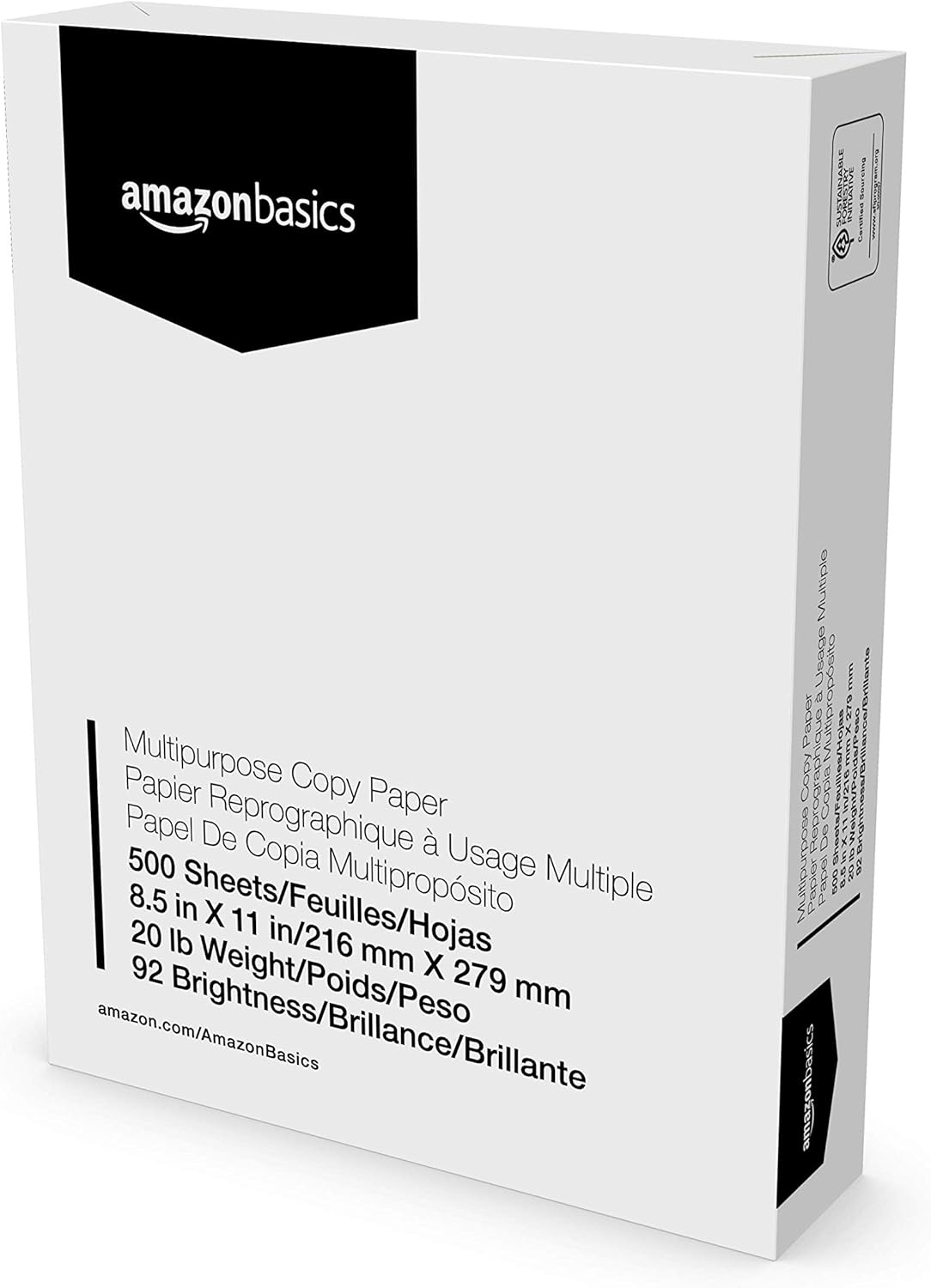
Amazon Basics
Amazon Basics Multipurpose Copy Printer Paper, 8.5 x 11 Inch 20Lb Paper - 1 Ream (500 Sheets), 92 GE Bright White
See current price

Compare paper by intended use, format, weight, finish, and printer compatibility. This catalog brings together options for offices, classrooms, correspondence, crafts, organization, and everyday writing.
9,773 products in catalog
9,773 results
Amazon Basics
See current price


Amazon Basics
See current price
![[By Celeste Ng ] Little Fires Everywhere (Hardcover)【2018】 by Celeste Ng (Author) (Hardcover)](https://m.media-amazon.com/images/I/91tJkyxDH+L._AC_SL1500_.jpg)
Celeste Ng
See current price


Amazon Basics
See current price


Hammermill
See current price

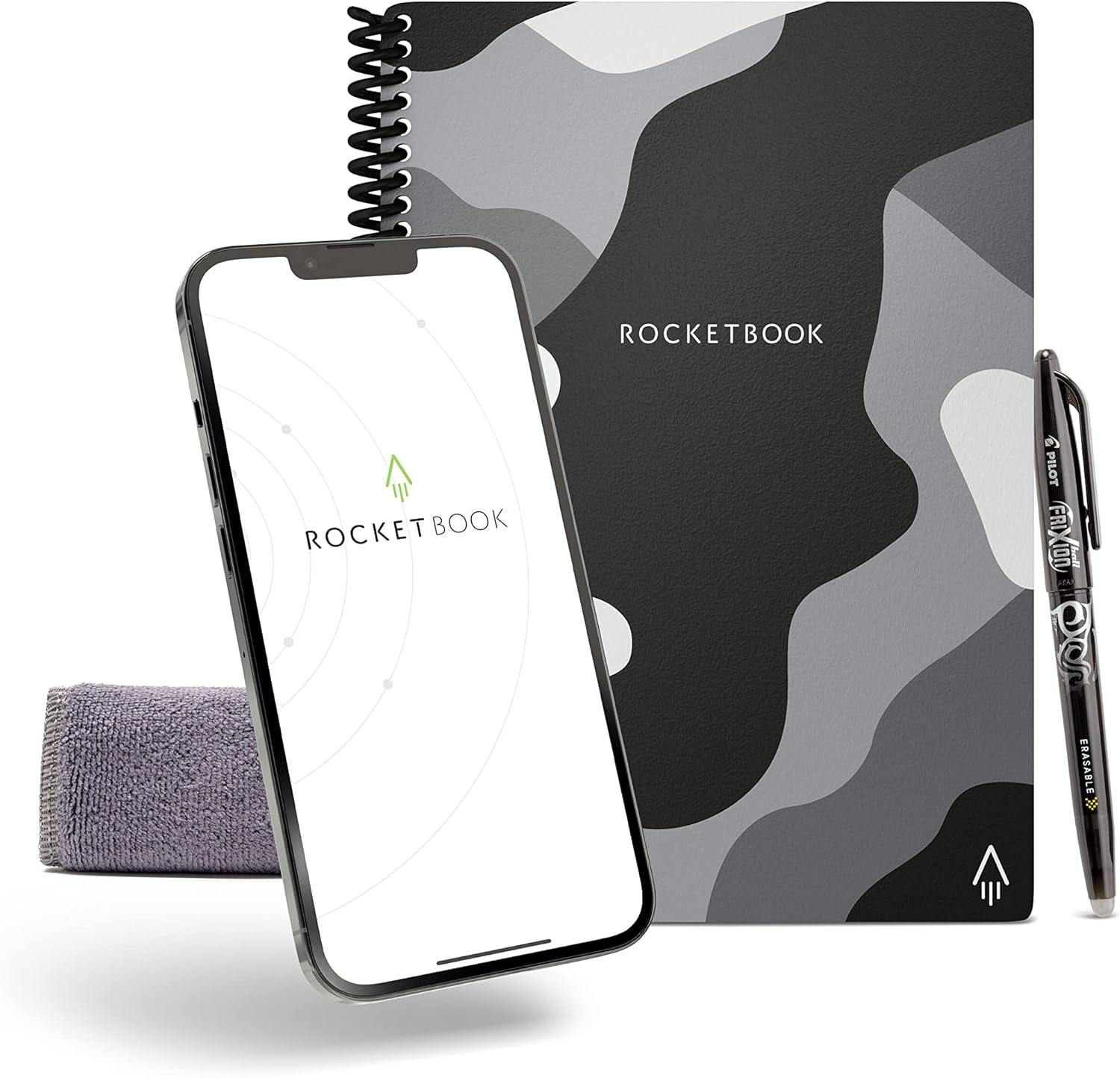
Rocketbook
See current price

LEUCHTTURM1917
See current price


Hammermill
See current price

Rocketbook
See current price

Hammermill
See current price


Moleskine
See current price
![[By Mary Ann Shaffer ] The Guernsey Literary and Potato Peel Pie Society: A Novel (Hardcover)【2018】by Mary Ann Shaffer (Author) (Hardcover)](https://m.media-amazon.com/images/I/41IJKsUXQBL._SY291_BO1,204,203,200_QL40_FMwebp_.jpg)

Amazon Basics
See current price

Moleskine
See current price
Paper can be a practical office essential, a classroom supply, a creative material, or part of a polished personal message. The right choice depends on how it will be used, how it should look and feel, and whether it needs to work with a printer, copier, pen, marker, or craft tool.
Use this page to compare product specifications and features before following a listing to Amazon for current purchasing information. From everyday writing paper to decorative stationery and specialty sheets, focus on format, surface, durability, and the result you want.
Start with the task rather than the appearance alone. Paper for routine printing may need reliable feeding and clear ink reproduction, while paper for invitations, notes, or crafts may be chosen primarily for its texture, color, or decorative design.
Consider these questions before comparing individual products:
Because paper serves so many purposes, product descriptions are often more useful when read in the context of the intended project. Office paper typically prioritizes dependable handling, clear text, and compatibility with common printers and copiers. School paper may be selected for handwriting, assignments, notebooks, presentations, or classroom activities.
Stationery and greeting paper place more emphasis on presentation. Decorative designs, borders, colors, finishes, and coordinated envelopes can make a note or message feel more distinctive. Card stock and other firm paper options are better suited to cards, invitations, signs, covers, and projects that need more structure.
Craft paper can include colorful, patterned, textured, or specialty sheets for cutting, folding, layering, scrapbooking, and classroom activities. Some products are designed for specific techniques, so examine the listed surface and compatibility information before choosing.
For related supplies, browse Writing & Correction Supplies for pens, pencils, and correction tools, or explore Education & Crafts for classroom and creative project materials. Envelopes, Mailers & Shipping Supplies may also be useful when paper needs to be sent or packaged.
Confirm the paper format before buying. Common options may include everyday office formats, larger presentation sheets, smaller note formats, card blanks, and specialty shapes. The correct format helps prevent trimming, wasted material, or printer-feed problems.
For paper intended for a printer, check the product description for supported printer types and tray guidance. A sheet that looks suitable for a project may not be appropriate for automatic feeding if its size, thickness, or finish is outside the equipment’s recommendations.
Paper weight gives a general indication of how substantial a sheet feels, but terminology can vary by product type. Compare the stated weight or stock description within the same use category rather than assuming every label is directly equivalent.
Lightweight paper can be practical for multipage documents, notes, copying, and folding. Heavier stock can provide a more substantial feel for covers, cards, invitations, signage, and craft pieces. If paper will be folded, verify that the chosen thickness suits the fold and whether scoring may be needed.
A smooth finish can support crisp writing, fine lines, and clean printed text. Matte surfaces usually reduce glare and can be comfortable for reading or writing. Glossy finishes can make colors appear more prominent, but they may not suit every pen or printer.
Textured paper adds tactile character and may be appropriate for formal stationery, art projects, or decorative applications. Texture can affect handwriting, ink drying, cutting, folding, and image detail, so compare the intended use with the manufacturer’s description.
White and neutral paper are flexible choices for professional documents and everyday printing. Colored, patterned, and decorative paper can help distinguish announcements, invitations, learning activities, labels, and craft projects. If the paper will be printed, consider how the background color or design may affect text contrast and image clarity.
Check how the product is packaged and how sheets are organized. A larger supply may be practical for recurring office or classroom use, while a smaller assortment can be easier to store or better suited to occasional projects. Look for details about included colors, patterns, matching pieces, and whether envelopes or accessories are included.
The catalog includes paper and paper-related products from Hallmark, Post-it, American Greetings, Best Paper Greetings, Mead, Papyrus, Five Star, NobleWorks, Oxford, Moleskine, The Best Card Company, and Outus. These brands cover a range of stationery, note-taking, greeting, school, organizational, and creative-use products.
Brand familiarity can help narrow a search, but the product specifications should remain the deciding factor. Compare the format, finish, stock, intended use, design, and compatibility of each listing rather than relying on the brand name alone.
Paper is often used alongside products from several office and school categories. Labels, Indexes & Stamps can help organize documents or identify packages. Calendars, Planners & Personal Organizers may be useful for scheduling and everyday planning, while Desk Accessories & Workspace Organizers can keep paper supplies accessible and orderly.
If the project involves formal correspondence, compare paper with the mailing format before purchasing. Matching the sheet size, folded thickness, and envelope style can make preparation easier and help avoid last-minute adjustments.
Choose paper listed for your printer or copier type, then compare its format, surface, and weight. Smooth, practical paper is often the most versatile choice for routine documents.
No. Heavier paper can feel more substantial, but lighter paper may be easier to print, fold, file, and use for multipage documents. The best choice depends on the project and equipment.
Smooth paper generally supports even writing and detailed printing. Textured paper provides a more distinctive feel and appearance but may affect ink behavior, folding, cutting, or image detail.
No. Check the product description and your printer’s requirements. Paper thickness, coating, finish, and format can affect feeding, drying, image quality, and printer performance.
Keep paper flat in a clean, dry place away from excessive humidity, heat, and direct sunlight. Store specialty sheets in their original packaging when possible to help protect their finish and edges.
Compare the design, color, texture, format, stock, intended use, and whether matching envelopes or accessories are included. Also consider whether the surface provides enough contrast for handwriting or printing.