
Dunnage & Protectors for Safer Shipping
Compare dunnage and protectors by material, shape, cushioning, and fit. Find packaging components that help limit shifting, abrasion, impact, and edge damage during handling and transit.
36 products in catalog
36 results
Filters



Tenby Living
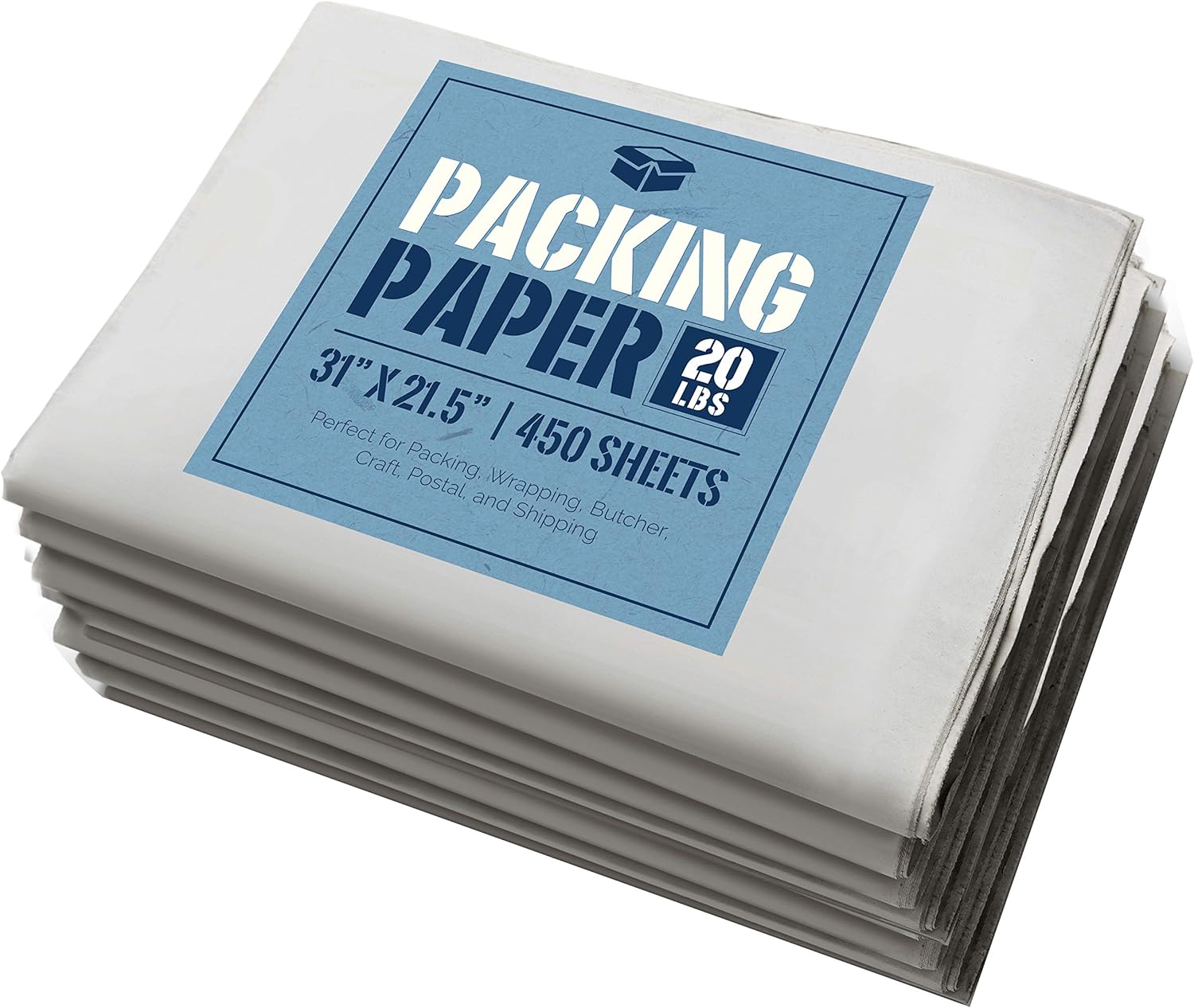
Tenby Living Newsprint Packing Paper: 20 lbs of Unprinted, Clean Newsprint Paper, 31" x 21.5
See current price


EnKo Products
enKo - Newsprint Packing Paper Sheets for Moving Boxes - Packing Supplies (800 Sheets, 40 Lbs Pound, 33 x 21 Inch)
See current price


Papersaurus
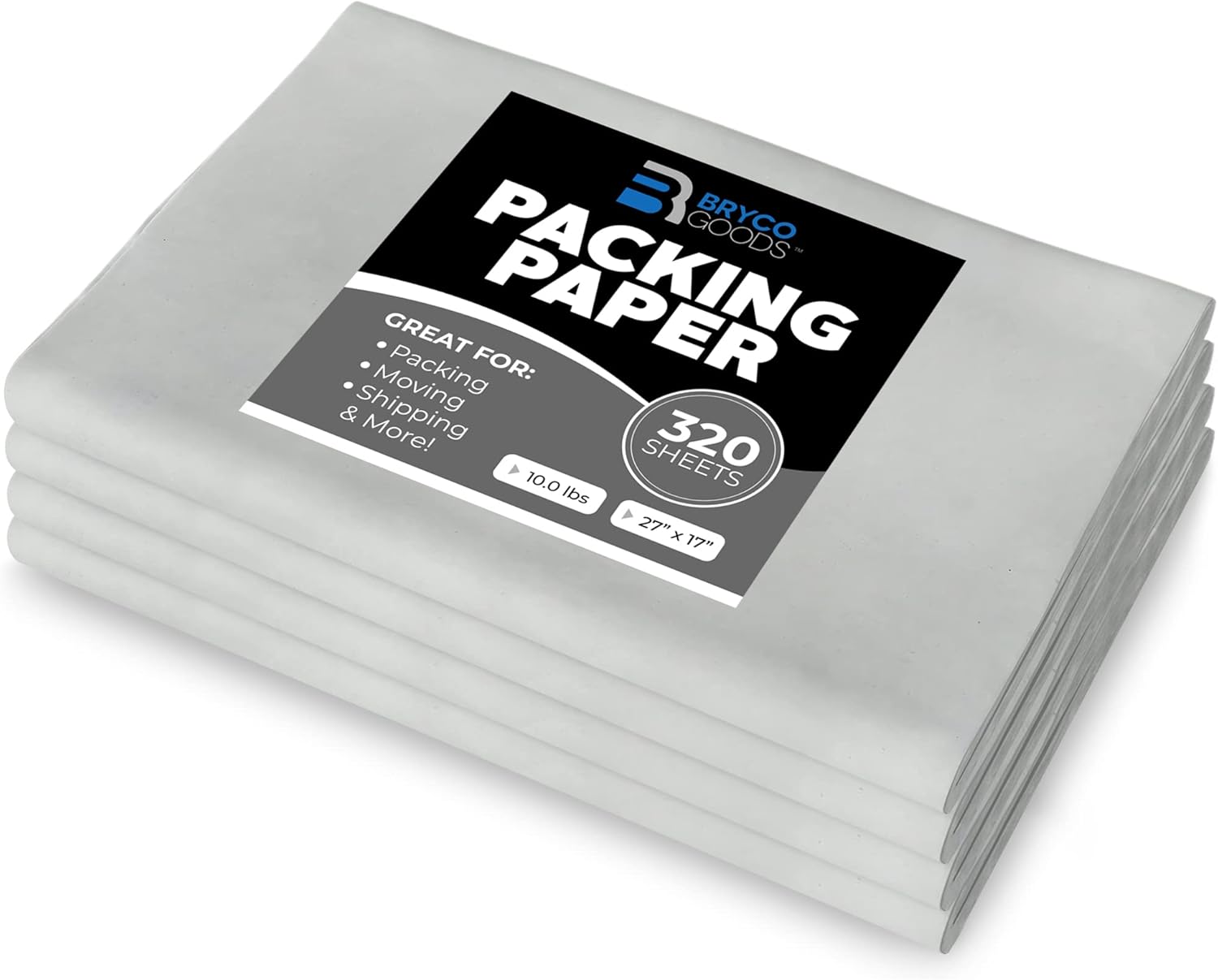
Papersaurus Newsprint Packing Paper - 10 lbs, 320 Sheets - Perfect for Moving, Packing, and Shipping - 17" x 27"
See current price

Bright Creations
100 Pack Picture Frame Corner Protectors for Shipping Art, Adjustable Cardboard Edges for Paintings (Fits 1", 1.5", 2.2" Frames)
See current price


Papersaurus
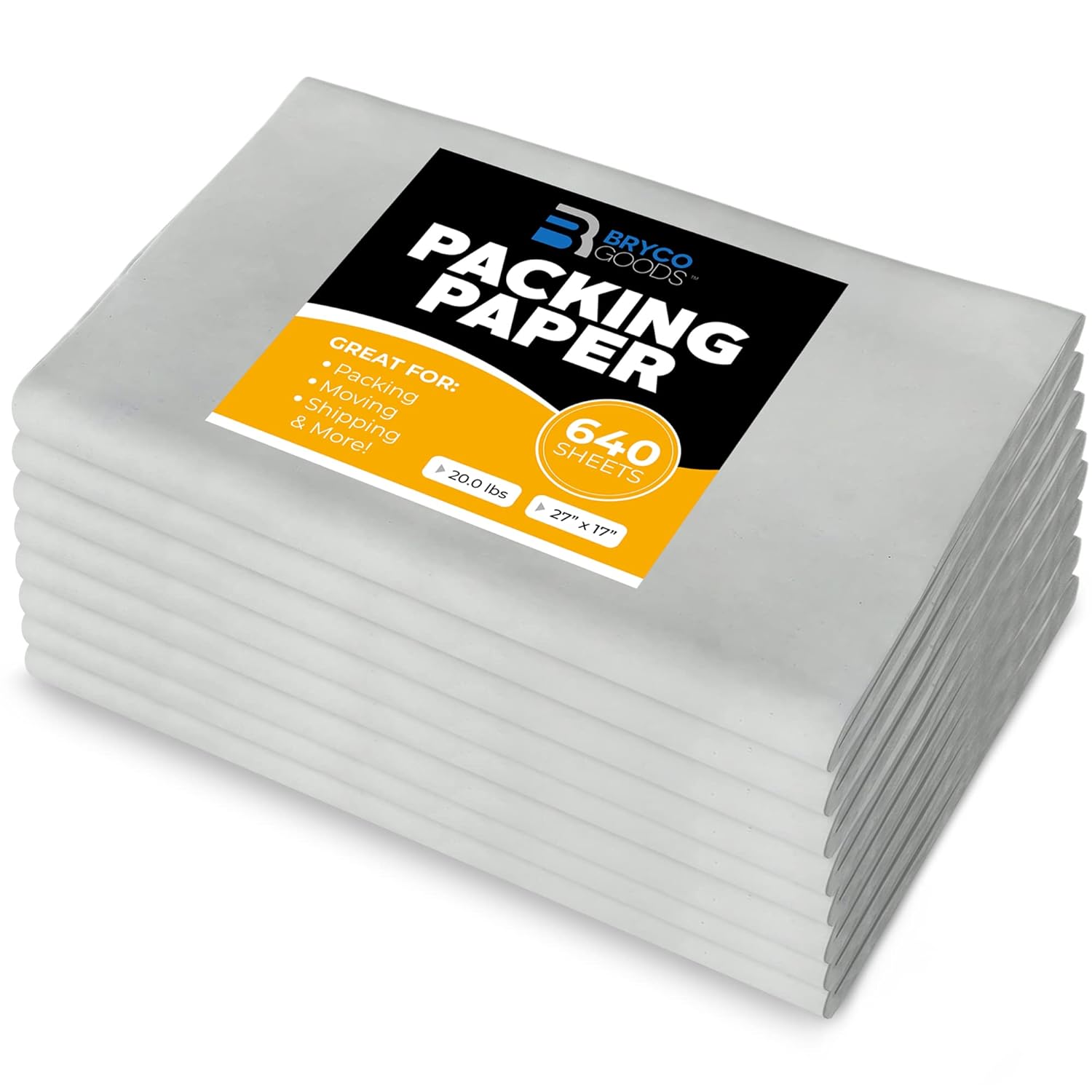
Papersaurus Newsprint Packing Paper - 20 lbs, 640 Sheets - Perfect for Moving, Packing, and Shipping - 17" x 27"
See current price

Cheap Cheap Moving Boxes
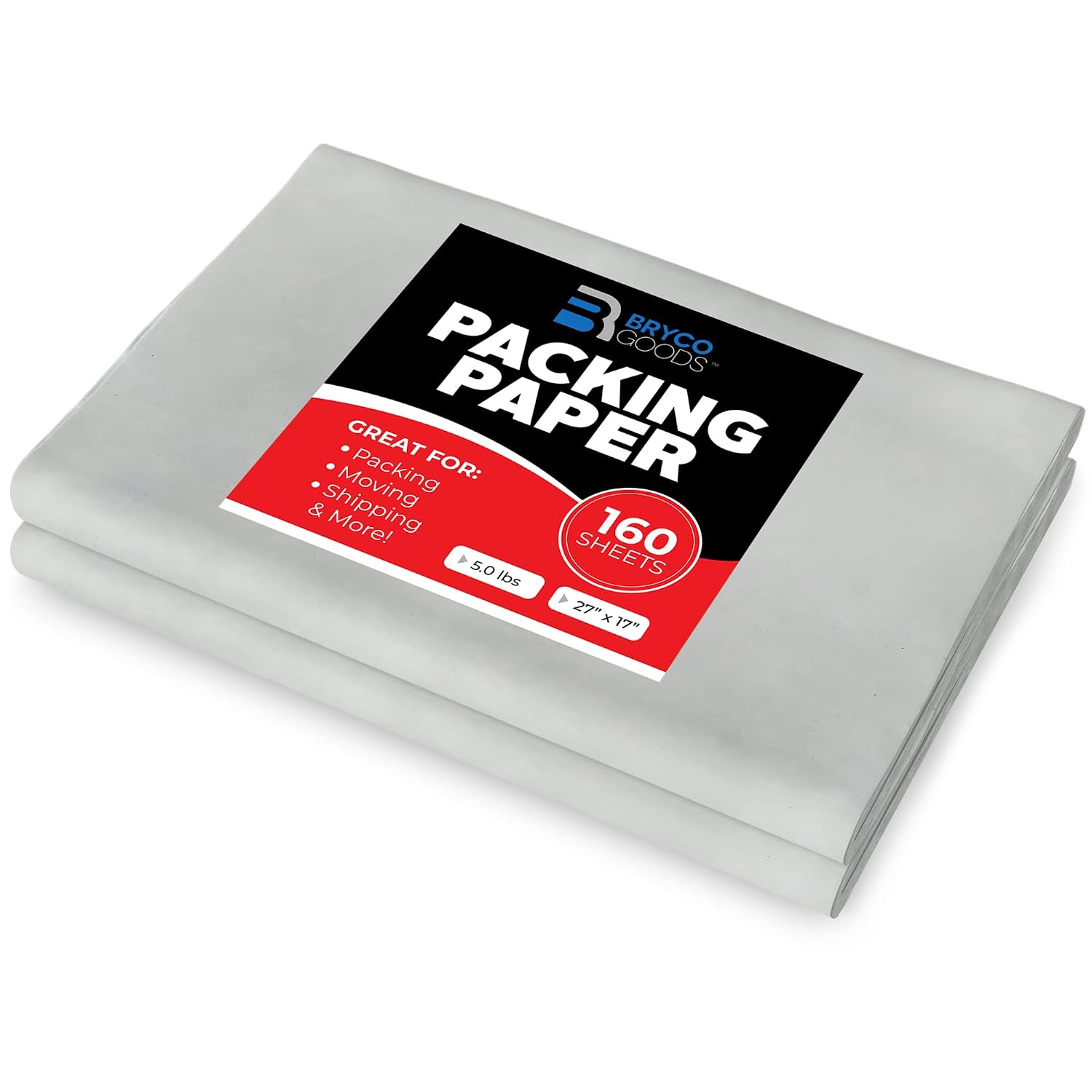
Cheap Cheap Moving Boxes 24 x 36 Inches Packing Paper 160 Sheets (Packing Paper 10 Lbs v3)
See current price


Popular brands in Dunnage & Protectors
Dunnage and protectors help keep products stable and separated inside cartons, containers, and shipping loads. The right choice depends on what needs protection, how much movement must be controlled, and whether the material will be reused or discarded after shipment.
Use this catalog to compare specifications and features across packaging components before visiting Amazon to check current availability and purchase options.
How to choose dunnage and protectors
Start by identifying the most likely source of damage. Items may need cushioning against impact, a barrier against abrasion, support around corners and edges, or filling that prevents movement inside a box. Fragile surfaces and finished goods generally require softer contact materials, while heavy products may need denser or more rigid protection.
Consider the complete packing process as well. A protector that works well for one product may take too much space, interfere with closing the carton, or add unnecessary handling time for another. Evaluate:
- The product’s weight, dimensions, shape, and surface finish
- The amount of empty space inside the package
- Whether the load may shift, stack, vibrate, or experience rough handling
- Whether the dunnage is intended for one-time use or repeated shipments
- Storage space, disposal requirements, and packing speed
Common types of dunnage and protectors
The category can include several approaches to protecting goods, even when a particular catalog has no formal subcategory breakdown. Understanding the role of each type makes it easier to compare suitable products.
- Cushioning materials: Soft or resilient inserts absorb contact and help isolate products from impacts and vibration.
- Void fill: Loose or formed material occupies unused space so items do not slide around inside the carton.
- Edge and corner protectors: These reinforce vulnerable edges and corners, especially where strapping, stacking, or contact pressure may cause damage.
- Separators and dividers: These keep multiple items apart and can reduce rubbing or collisions during shipment.
- Surface protectors: Sheets, pads, films, or similar barriers can help guard against scratches, scuffs, dust, or contact with other packaging materials.
Shape and thickness matter as much as material. A thin protector may suit light-duty separation, while larger or heavier products can require more substantial support. Check the listed dimensions carefully rather than relying only on a product’s general description.
Key specifications to compare
Material affects cushioning, rigidity, moisture tolerance, recyclability, and how the protector contacts the product. Foam, paper-based materials, plastics, and molded components can each suit different packing conditions. Look for material information that matches the product’s surface and shipping environment.
Dimensions and shape determine whether the protector fits securely without creating pressure points. Compare length, width, thickness, opening dimensions, and any stated profile or form. For irregularly shaped goods, pay particular attention to contact areas and gaps.
Load support and compression resistance are important when packages are stacked or when straps and bands apply pressure. A protector should remain effective under expected handling conditions rather than flattening or shifting immediately.
Quantity and application method affect workflow. Pre-formed pieces may speed up packing, while flexible material can adapt to different products. Consider whether cutting, folding, adhesive, or additional fasteners will be needed.
Environmental requirements may include moisture exposure, temperature changes, clean handling, or disposal limitations. If sustainability is a priority, compare recyclable or reusable options and confirm the manufacturer’s material guidance.
Brands represented in the catalog
Brands represented in this Dunnage & Protectors catalog include Bryco Goods, Papersaurus, Pelican Products, TeiKis, EnKo Products, Tenby Living, Airmax Eco Systems, Pelican, Woodman Crafts, TRIM-LOK, Bright Creations, and Cheap Cheap Moving Boxes. Brand presence is useful for narrowing a catalog search, but specifications and intended application should guide the final comparison.
Build a complete packaging setup
Dunnage works best as part of a coordinated packaging system. Choose a carton with enough internal space for the product and its protection, then use void fill or separators to control movement without forcing the item against the walls. For a broader look at shipping materials, browse Packaging & Shipping Supplies.
Depending on the shipment, you may also compare Corrugated Boxes, Poly & Plastic Packaging Bags, Industrial Shrink Wrap Supplies, and Strapping. Labels can support handling instructions and shipment identification; related options include Packaging Labels & Tags and Labels & Labeling Equipment.
Before packing at scale, check that the selected protector does not block closures, obscure labels, or create an unstable package. For reusable dunnage, inspect it for compression, tears, contamination, or deformation before putting it back into service.
Frequently asked questions
What is dunnage used for?
Dunnage fills empty space, separates items, cushions products, and helps prevent movement or contact damage inside a package or shipping load.
How do I choose between soft and rigid protection?
Soft materials are generally suited to cushioning and surface protection, while rigid components can provide separation, edge reinforcement, or structural support. Match the choice to the product’s weight and vulnerability.
Should protectors fit tightly around the product?
They should hold the product securely without creating damaging pressure or making the carton difficult to close. Compare the protector’s dimensions with the product and available package space.
Can dunnage be reused?
Some materials and formed protectors may be reusable if they remain clean, intact, and capable of providing their original support. Follow the product’s stated handling and reuse guidance.
What other packaging supplies may be needed?
A complete shipment may also require corrugated boxes, bags, shrink wrap, strapping, labels, or labeling equipment, depending on the product and handling process.