
Rollo
Rollo Direct Thermal Shipping Label (Pack of 500 4x6 Fan-Fold Labels) - Commercial Grade
See current price

Compare packaging labels and tags by material, adhesive, format, and intended use. Browse catalog listings to find options for shipping, storage, organization, and product identification.
16 products in catalog
16 results
Rollo
See current price


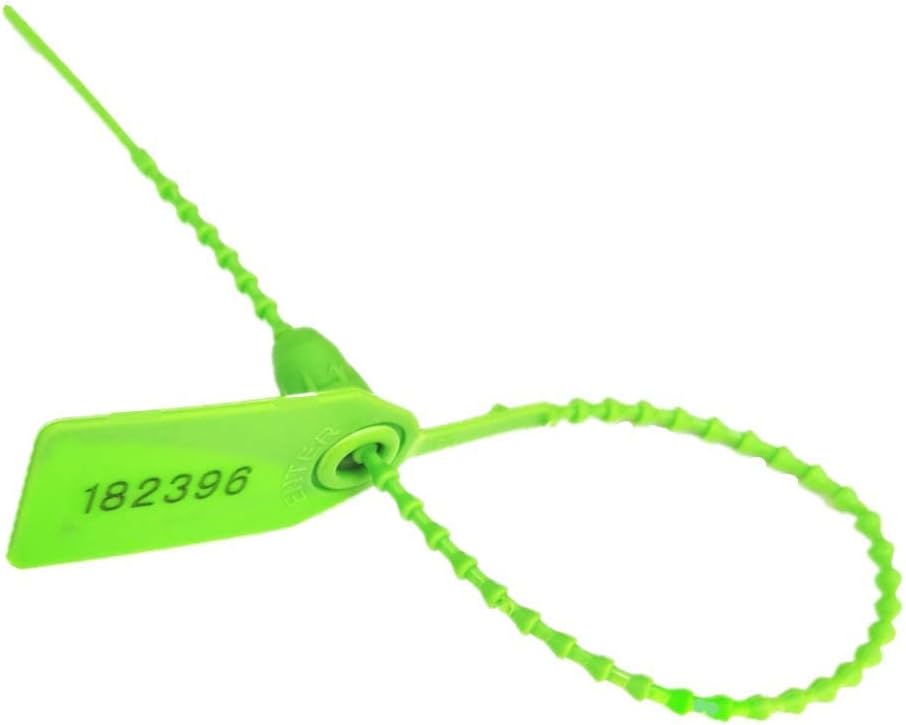
XF-Vel
See current price


Packaging labels and tags help identify shipments, organize inventory, communicate handling information, and present product details. The right choice depends on the surface being labeled, the environment it will encounter, and whether the label needs to stay attached temporarily or permanently.
K-Catalog brings together packaging-label listings so shoppers can compare specifications and features before following through to Amazon for more details.
Start by identifying what the label must do. A shipping label needs to remain readable through handling and transit, while an inventory or warehouse label may need to adhere to bins, shelves, cartons, or smooth plastic surfaces. Product labels may place greater emphasis on appearance, print quality, and clean removal.
Consider these factors before choosing:
Packaging labels and tags cover several practical formats, even when they appear similar in a catalog. Sheet labels are useful for office or small-batch printing, while roll labels can support repeated application and compatibility with dedicated label printers. Individual tags may be preferable when labels must be tied, attached, or removed without leaving adhesive behind.
For shipping and fulfillment, prioritize clear information, dependable adhesion, and compatibility with the printing workflow. For warehouse organization, look for formats that are easy to scan or read at the distance where items are stored. For retail or product packaging, consider the label’s finish, writable surface, and how well it fits the package design.
If you need the printer or accessories used to produce labels, compare this category with Labels & Labeling Equipment. Other packaging supplies may also be relevant, including Poly & Plastic Packaging Bags, Corrugated Boxes, and Industrial Shrink Wrap Supplies.
Review the listing details carefully rather than choosing by appearance alone. Important specifications can include label or tag material, adhesive type, shape, color, finish, printability, and whether the item is supplied as sheets, rolls, or individual pieces.
Also check the information area and application requirements. A label intended for a thermal printer may not be suitable for an inkjet or laser printer, and a writable tag may require a surface that accepts marker or pen ink. If the packaging will be exposed to condensation or outdoor conditions, look for material and adhesive details that match that environment.
For an efficient workflow, compare how labels dispense, whether they can be peeled easily, and how consistently they align with the intended printer or applicator. If labels will be scanned, prioritize a smooth, high-contrast surface and confirm that the finished format leaves enough room for the barcode and accompanying text.
The catalog includes packaging-label and tag listings from Batrical, SJPACK, XF-Vel, Rollo, LotFancy, ELLASSAY, ANWALE, OFFNOVA, HUIKANGSHENG, MFLABEL, TapeCase, and Inateck. These brands are represented in the catalog for comparison; shoppers should evaluate each listing’s materials, dimensions, adhesive details, format, and compatibility rather than relying on the brand name alone.
Apply adhesive labels to a clean, dry surface whenever possible. Dust, oil, moisture, and heavy surface texture can reduce contact and make edges lift. Press across the full label area, paying particular attention to corners and edges.
Store unused labels and tags in their original packaging or another dry, protected location. Avoid excessive heat, humidity, and direct sunlight, especially when print quality or adhesive performance matters. Before applying a large batch, test the label on the actual packaging material and allow enough time to confirm that it stays attached.
For a broader selection of shipping materials, browse Packaging & Shipping Supplies. Depending on how packages are secured, Dunnage & Protectors and Strapping may also complement packaging labels and tags.
A label normally attaches directly to a surface with adhesive. A tag is typically attached with a string, wire, fastener, or another method and can be useful when adhesive is unsuitable or removal is important.
Use permanent labels when information must remain attached throughout storage or shipping. Removable or repositionable labels are more suitable for temporary identification, changing inventory, reusable containers, or packaging that should remain clean.
No. Printer compatibility depends on the label material, format, adhesive, and printing method. Check whether the listing is designed for the specific printer type and workflow before purchasing.
Choose an adhesive and material suited to the package surface and handling conditions. Applying the label to a clean, dry, smooth area and pressing it firmly can also improve contact.
Compare the tag material, size, writing or printing surface, attachment method, and intended environment. Confirm that the tag provides enough space for the required information and fits the packaging or fastening method.