
Packaging & Shipping Supplies
Compare packaging and shipping supplies by material, dimensions, closure, protection, and handling needs. Explore bags, boxes, wrap, dunnage, labels, strapping, and related equipment.
500 products in catalog
500 results
Filters


Rollo
Rollo Direct Thermal Shipping Label (Pack of 500 4x6 Fan-Fold Labels) - Commercial Grade
See current price


Retail Supply Co
Clear Poly Bags 6x9" - 200 Pack - 6x9 Poly Bags with Suffocation Warning - Extra Strong Seal - 6x9 Poly Bag - Retail Supply Co
See current price




Holly Poly Bags
100 Clear Poly Bags - 6x9 - Strong Self Seal Strip with Suffocation Warning
See current price

Universal
100pc Self Locking 2 x 2 Plastic Bags 2mm Thick All Purpose Storage Baggies
See current price



SPARTAN INDUSTRIAL
SPARTAN INDUSTRIAL - 9inch X 12inch (100 Count) 2 Mil Clear Reclosable Zip Plastic Poly Bags with Resealable Lock Seal Zipper
See current price


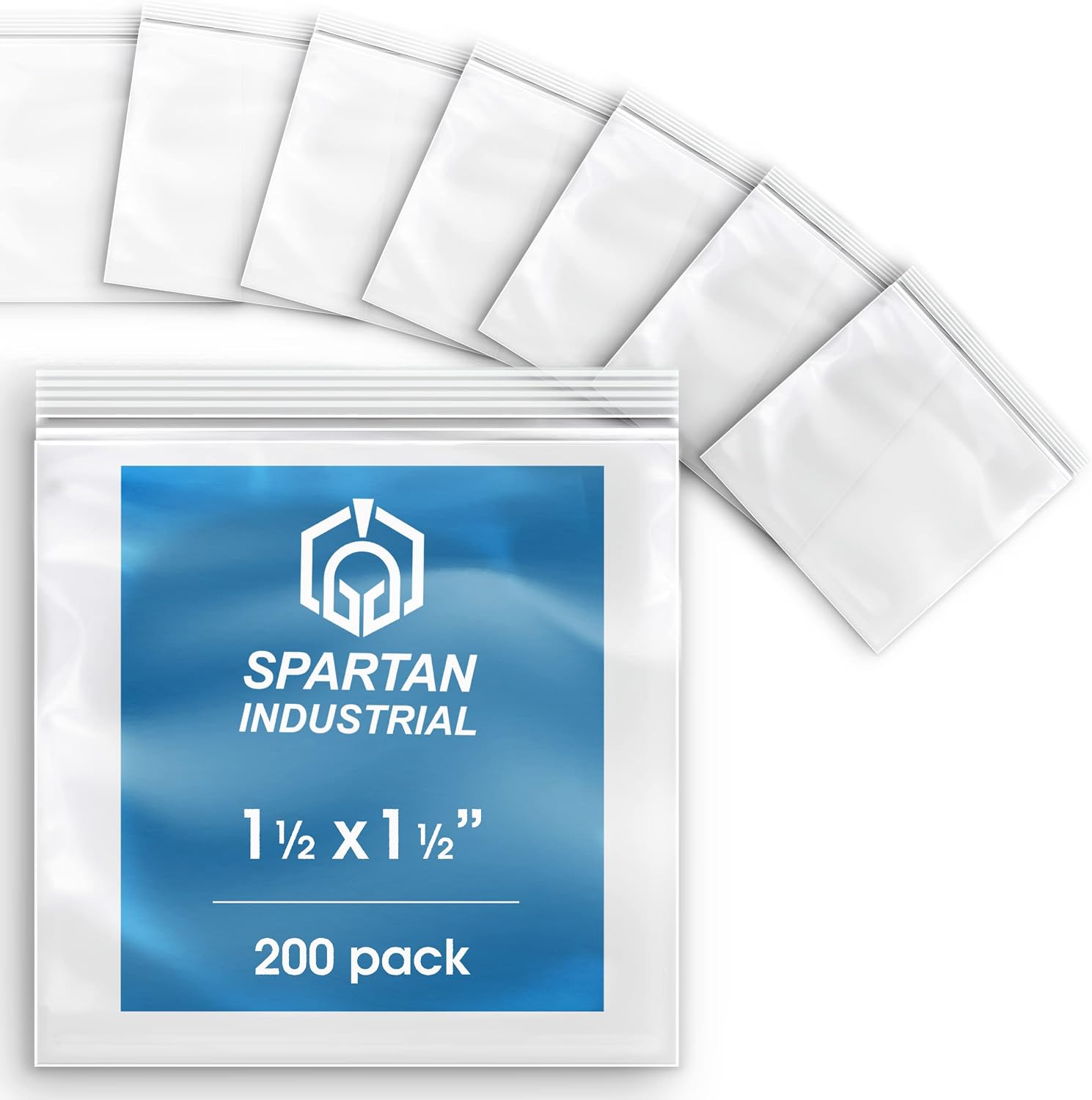
SPARTAN INDUSTRIAL
Spartan Industrial - 1.5” X 1.5” (200 Count) 2 Mil Clear Reclosable Zip Plastic Poly Bags with Resealable Lock Seal Zipper
See current price


SPARTAN INDUSTRIAL
Spartan Industrial - 12” X 12” (100 Count) 2 Mil Clear Reclosable Zip Plastic Poly Bags with Resealable Lock Seal Zipper
See current price
Popular brands in Packaging & Shipping Supplies
Packaging and shipping supplies help protect products, organize shipments, identify contents, and prepare packages for storage or transit. The right combination depends on what you are packing, how much protection it needs, and whether the package will be handled manually, mechanically, or both.
K-Catalog brings together options across the Industrial & Scientific category so shoppers can compare specifications and features before checking current availability on Amazon.
How to choose packaging and shipping supplies
Start with the item being packed and the conditions it may encounter. Fragile, sharp-edged, heavy, dusty, or moisture-sensitive products can require different materials and combinations of supplies.
Consider these questions before comparing products:
- What are the item’s length, width, height, and weight?
- Does the package need cushioning, abrasion resistance, moisture protection, or tamper evidence?
- Will the container be stored, stacked, palletized, mailed, or moved repeatedly?
- Is fast manual packing more important than maximum closure strength?
- Do labels need to remain readable through handling, friction, or exposure to moisture?
Packaging is often most effective as a system. For example, a suitable box may be paired with dunnage, a protective bag, a label, and strapping rather than relying on a single material.
Explore the main product types
The catalog has its broadest selection in flexible packaging and shipping containers, while protective, identification, and securing supplies cover more specialized needs.
- Poly & Plastic Packaging Bags are useful for grouping, protecting, organizing, or presenting products. Compare bag dimensions, thickness, closure style, transparency, and whether the material suits the contents.
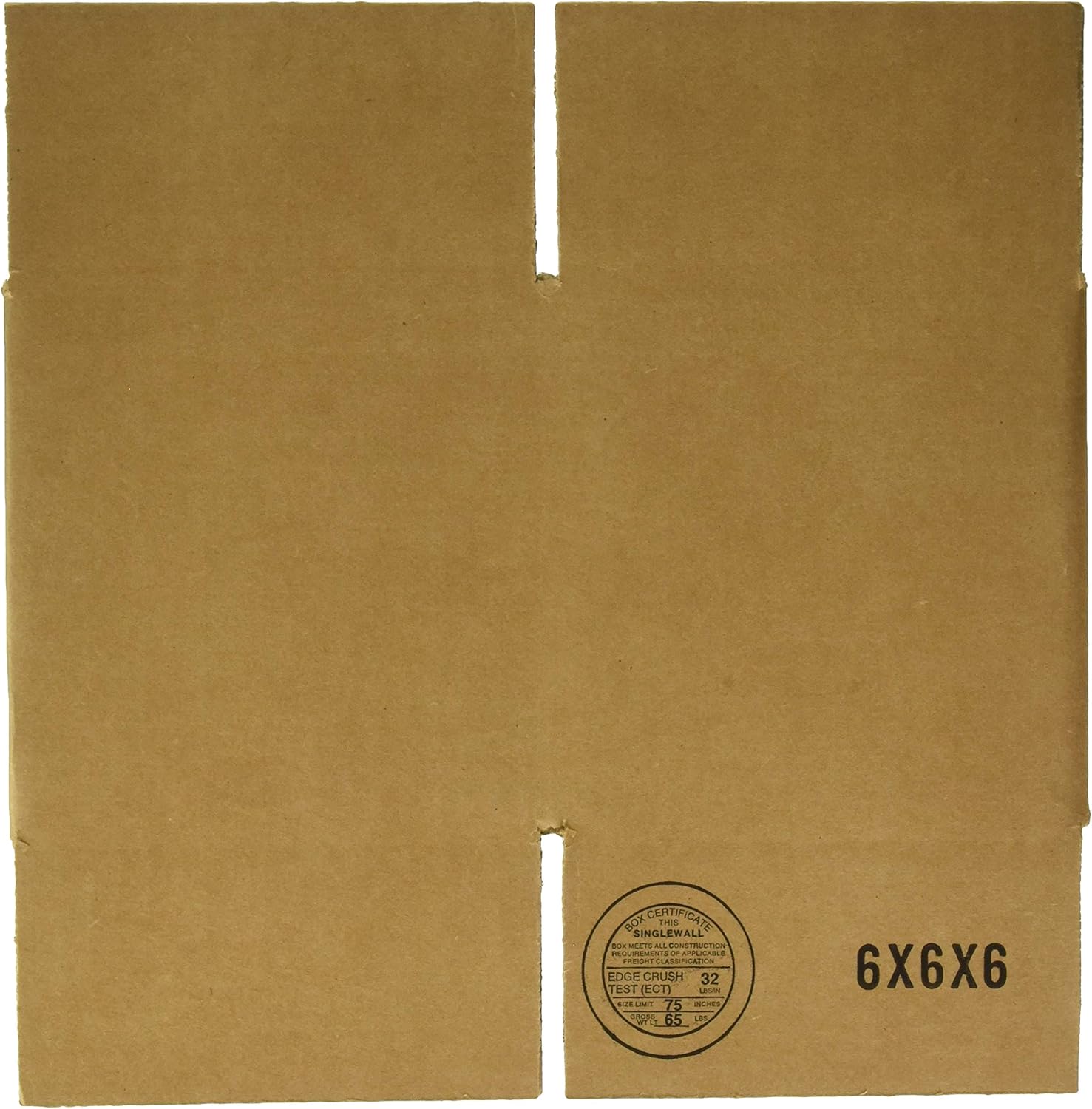
- Corrugated Boxes provide a practical outer container for shipping and storage. Compare inside dimensions, construction, box style, and compatibility with the products and packing materials used inside.
- Industrial Shrink Wrap Supplies help bundle or stabilize products when a close-fitting film wrap is useful. Compare film characteristics, roll format, application method, and whether the supply fits the available equipment.
- Dunnage & Protectors can help limit movement, separate items, and reduce contact between products and packaging surfaces. Match the form and material to the item’s shape and vulnerability.
- Packaging Labels & Tags support identification, sorting, handling instructions, and inventory workflows. Review adhesive type, surface compatibility, size, and printing or writing requirements.
- Strapping is designed to help secure bundles, cartons, or loads. Compare strap material, width, strength, tensioning method, and the tools or fasteners required.
- Labels & Labeling Equipment can suit operations that need a repeatable way to apply or produce labels. Check equipment compatibility, label format, application speed, and power or operating requirements.
Specifications that matter
Dimensions and capacity: Verify both the product dimensions and the usable interior space. A close fit can reduce movement, but overfilling may stress seams, closures, or box panels.
Material and durability: Plastic, paper-based, corrugated, film, foam, and textile materials behave differently under compression, tearing, punctures, moisture, and temperature changes. Match material performance to the shipping environment.
Closure and application: Self-sealing, zip-style, adhesive, heat-sealed, folded, strapped, and taped formats each support different workflows. Confirm whether separate tools, dispensers, or sealing equipment are needed.
Visibility and identification: Clear packaging can make contents easier to inspect, while opaque materials may offer privacy or light protection. For labels and tags, check adhesion, printability, contrast, and resistance to rubbing or moisture.
Handling and storage: Rolls, flat-packed boxes, bags, and bundled supplies require different amounts of storage space. Consider how materials will be dispensed and whether workers can use them efficiently at the packing station.
Brands represented in the catalog
The catalog includes packaging options from Morepack, Plymor, BOX USA, Aviditi, SPARTAN INDUSTRIAL, GPI, ClearBags, Partners Brand, iMailer, Pratt, Xhwykzz, and ULINE. Compare each product by its listed specifications and intended use rather than choosing by brand name alone, since materials and formats can vary across a brand’s catalog.
Build a practical packing workflow
Keep frequently used supplies close to the packing area and separate materials by size or application. Test fit and closure methods with the actual products before standardizing a packing process. For heavier or irregular loads, confirm that the box, protective materials, and securing method work together without creating excess movement or pressure.
When packaging is part of a broader operation, related Adhesives, Sealants & Lubricants, Fasteners, and Janitorial & Sanitation Supplies may also be relevant to assembly, maintenance, or workspace preparation.
Frequently asked questions
What packaging supplies should I use for fragile products?
Use a suitably sized outer container with protective dunnage or separators to limit movement. Consider additional wrap or bags when the item also needs surface, dust, or moisture protection.
How do I choose the right shipping box size?
Measure the packed item, allow room for the required protective material, and compare those measurements with the box’s usable interior dimensions. Avoid excessive empty space that can increase movement.
What should I compare when buying packaging bags?
Check dimensions, material thickness, closure type, transparency, durability, and compatibility with the item. Also consider whether the bag needs to be resealable, writable, or resistant to moisture.
When is shrink wrap useful?
Shrink wrap can be useful for bundling products, stabilizing groups of items, or creating a close-fitting protective layer. Confirm that the film and application method suit the package and available equipment.
How can I make package labels stay readable?
Choose a label material and adhesive suited to the package surface and environment. Compare resistance to handling, moisture, abrasion, and temperature changes, and make sure the label size supports legible information.
Do strapping supplies require special tools?
Some strapping formats may require tensioners, sealers, buckles, or other application tools. Review the product specifications and confirm that the securing method fits the load and packing process.