

Labels & Labeling Equipment
Compare labels and labeling equipment for shipping, inventory, identification, safety, and general packaging tasks. Review materials, format, compatibility, and workflow features before choosing.
7 products in catalog
7 results
Filters
Availability
Price


AJM Packaging
AJM PP6GREWH 6" Diameter, White Color, Green Label Uncoated Paper Plate - Pack Of 1000
See current price

Gardner Bender
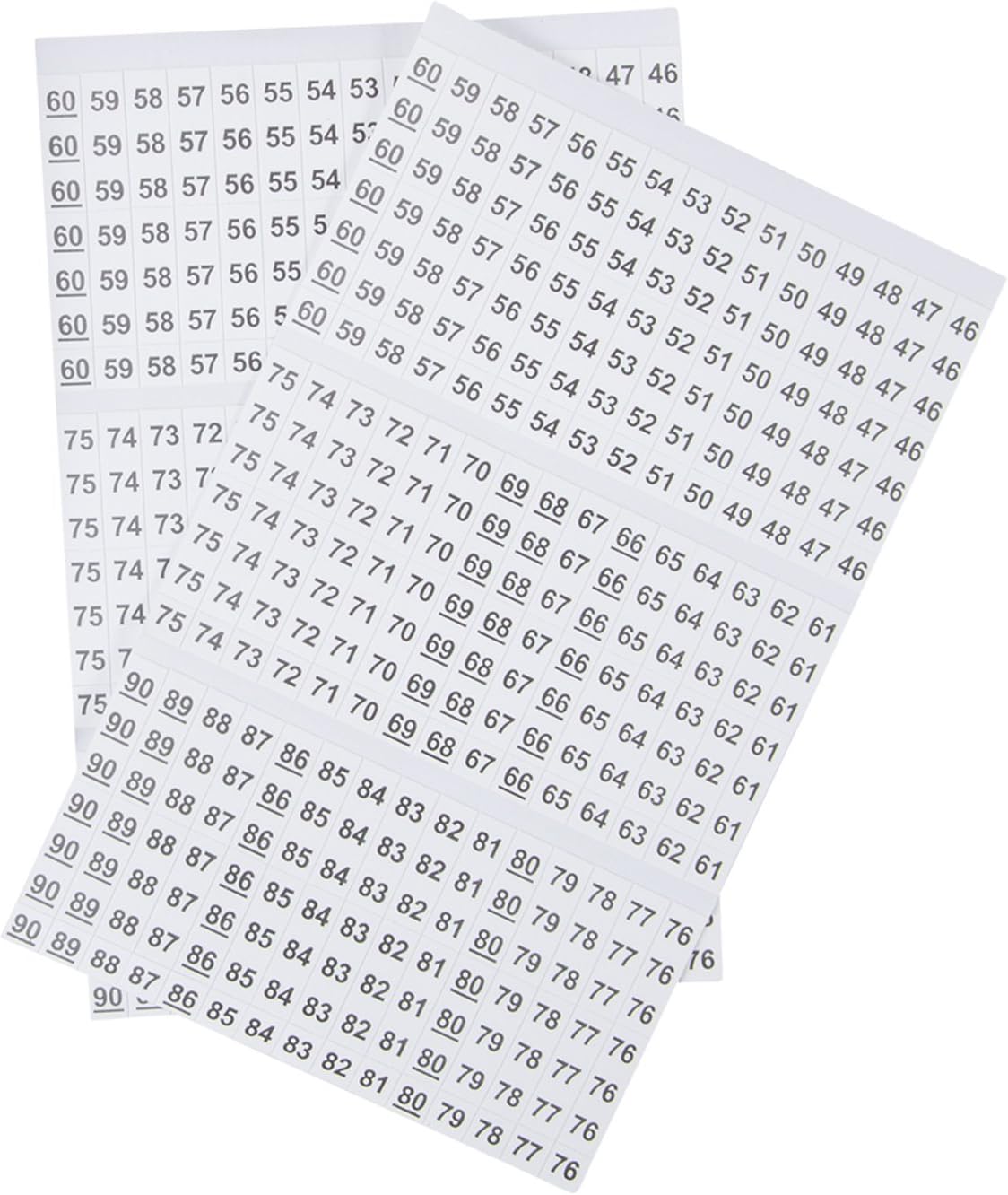
Gardner Bender 42-030 Pocket Wire Marker Booklet, Identification Pack Includes: Numbers 46-90
See current price


DayMark Safety Systems
DayMark Safety Systems IT110342 MoveMark Shelf Life/Use by Removable Label, 2" x 3" (Roll of 500)
See current price
Popular brands in Labels & Labeling Equipment
Labels and labeling equipment support many packaging, warehouse, office, and industrial identification tasks. The right choice depends on what the label must communicate, where it will be applied, how long it needs to remain legible, and whether labels will be written, printed, or applied with a device.
This K-Catalog category helps shoppers compare product specifications and features across labels, label printers, and related equipment. Consider the surrounding packaging system as well, including Packaging & Shipping Supplies and other categories listed below.
How to choose labels and labeling equipment
Start with the application rather than the label format alone. A shipping label, inventory identifier, warning label, shelf marker, and product label may require different materials, adhesives, sizes, and printing methods.
Compare these factors:
- Application surface: Check whether the label is intended for cardboard, plastic, metal, glass, smooth surfaces, or another material.
- Environment: Consider exposure to moisture, heat, abrasion, sunlight, chemicals, or frequent handling.
- Label size and shape: Confirm that the dimensions fit the available space and remain readable at the intended viewing distance.
- Adhesive behavior: Permanent, removable, repositionable, and specialty adhesives suit different jobs. Verify that the adhesive matches the surface and expected handling.
- Workflow volume: Handwritten labels may suit occasional tasks, while printed labels or application equipment can help create a more consistent process.
- Printer or device compatibility: For printable labels, check the required media type, roll or sheet format, core dimensions, and supported label width.
Common types and uses
Labels may be supplied as individual sheets, rolls, tags, or continuous media. Sheets can work well with compatible office printers, while rolls are commonly considered for thermal printers and other roll-fed systems. Continuous media can offer flexibility when label length varies, but it requires a compatible cutting or dispensing workflow.
Labeling equipment can include desktop or portable printers, dispensers, applicators, and accessories. A portable setup may suit mobile inventory or field work. A desktop printer can be more practical for a fixed workstation, while a dispenser or applicator may help with repeated manual labeling. Always compare the equipment’s intended media and operating requirements before purchase.
For adjacent packaging needs, compare Packaging Labels & Tags when the primary need is tags or packaging identification. Poly & Plastic Packaging Bags and Corrugated Boxes may also be relevant when selecting labels for flexible or corrugated packaging surfaces.
Key specifications to compare
Read the product details closely, since similar-looking labels can differ substantially in use. Important specifications may include:
- Material: Paper is often selected for general indoor identification, while synthetic materials may be considered for demanding environments. Confirm the intended use rather than assuming one material fits every application.
- Print method: Direct thermal, thermal transfer, inkjet, laser, and handwriting each have different equipment and media requirements. Match the label to the printer and ribbon or ink system where applicable.
- Color and finish: Background color, surface finish, and contrast affect readability and scanning. Matte and glossy surfaces may perform differently with particular printers or lighting conditions.
- Adhesive and liner: Check adhesion requirements, liner handling, and whether labels need to be removed cleanly.
- Roll or sheet details: Compare roll orientation, winding direction, sheet layout, perforations, and spacing if the product will feed through equipment.
- Durability: Look for stated resistance to moisture, tearing, smudging, temperature, or abrasion when those conditions matter.
Brands represented in the catalog
The catalog includes products from LYLTECH, AJM Packaging, Gardner Bender, Brady, Sticiry, Phomemo, and DayMark Safety Systems. These brands may cover different combinations of label materials, printing formats, identification uses, and equipment types. Compare the specifications of individual products rather than choosing by brand name alone.
Related packaging supplies
Labels are often only one part of a packing or identification process. Industrial Shrink Wrap Supplies may be useful when packaging requires film-based containment. Dunnage & Protectors can address cushioning or separation, while Strapping is relevant when bundles or cartons need additional securing.
Frequently asked questions
What should be checked before buying labels?
Confirm the surface, application environment, label dimensions, adhesive type, print method, and printer or applicator compatibility. These details determine whether the labels will apply correctly and remain readable.
Are all labels compatible with every printer?
No. Printers can require specific media materials, widths, roll formats, sheet layouts, or thermal-transfer supplies. Check the equipment specifications and the label product details together.
Which label material is suitable for outdoor or demanding use?
The appropriate material depends on exposure to moisture, sunlight, chemicals, abrasion, and temperature. Look for product specifications that address the conditions involved rather than relying only on the label’s appearance.
Should labels be permanent or removable?
Use permanent adhesive when the label needs to stay attached through handling. Removable or repositionable options may be more appropriate for temporary identification, changing inventory, or surfaces that must remain clean.
When is labeling equipment useful?
Equipment can be helpful when labels must be printed, dispensed, or applied repeatedly and consistently. For occasional tasks, a simpler sheet, roll, or handwritten format may be sufficient.
How can shoppers compare products in this category?
Compare the listed materials, dimensions, adhesive, media format, durability, and compatibility requirements. Shoppers can then check the current product information on Amazon before making a purchase decision.