

Electrical Testing Equipment & Tools
Compare electrical testing equipment by measurement needs, safety requirements, usability, and compatibility. Browse specifications and features to narrow the options for maintenance, troubleshooting, education, or projects.
345 products in catalog
345 results
Filters




Epson
Epson Ultra Premium Photo Paper GLOSSY (5x7 Inches, 20 Sheets) (S041945) (Pack of 3)
See current price


Klein Tools
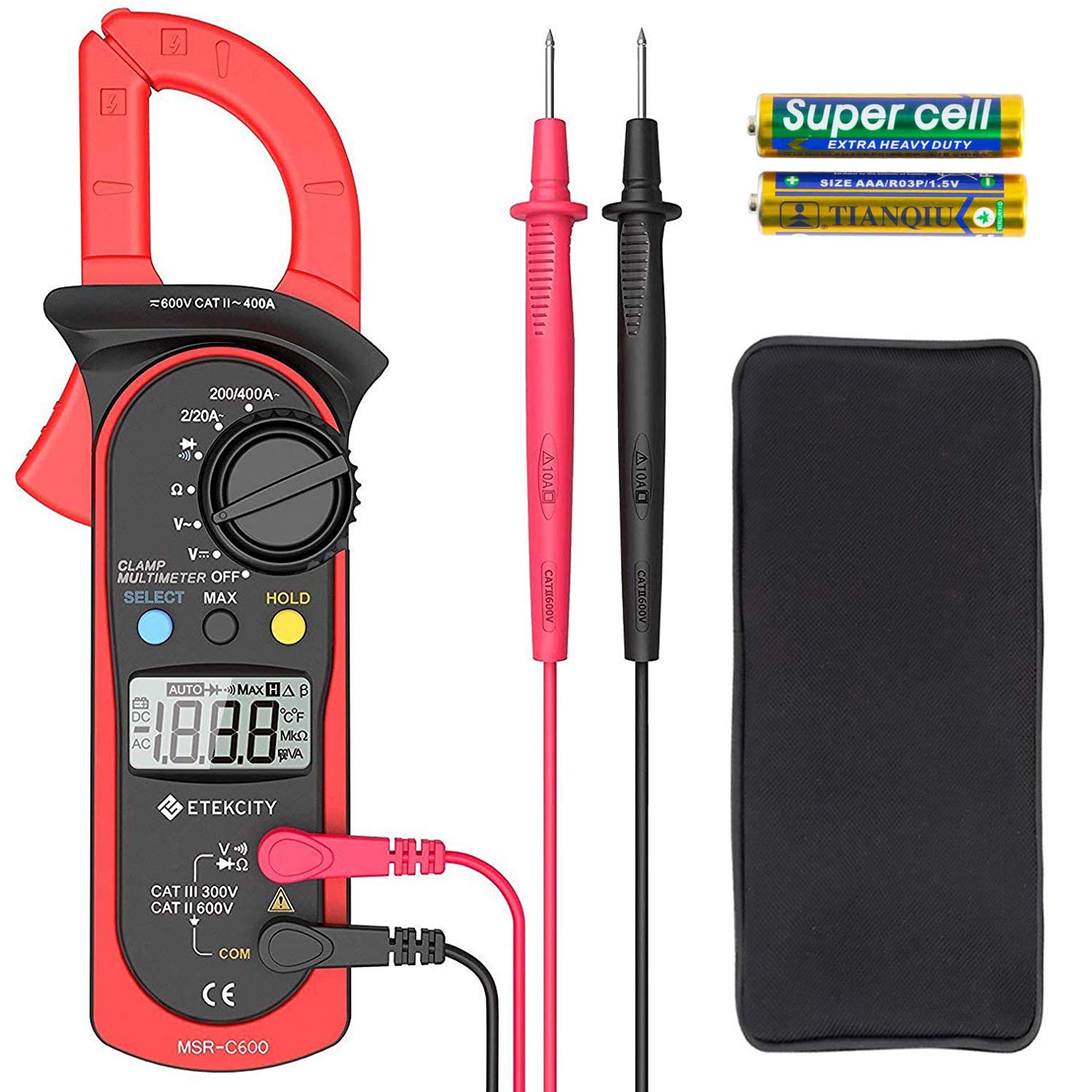
Klein Tools CL120VP Electrical Voltage Test Kit with Clamp Meter, Three Testers, Test Leads, Pouch and Batteries
See current price




Popular brands in Electrical Testing
Electrical testing equipment helps identify electrical conditions, verify connections, troubleshoot faults, and confirm whether a circuit or component is operating as expected. The right tool depends on what needs to be measured, where it will be used, and how much control or detail the task requires.
This category brings together options for shoppers comparing electrical measurement and diagnostic tools. Review the specifications carefully, since similar-looking products can differ significantly in measurement functions, operating limits, display design, and safety features.
How to choose electrical testing equipment
Start with the task rather than the tool name. A device for checking a household circuit may have different requirements from one used for automotive troubleshooting, electronics work, field service, or classroom experiments.
Consider these questions before comparing products:
- What do you need to measure? Common functions may include voltage, current, resistance, continuity, frequency, capacitance, or signal behavior.
- Where will you use it? A compact tester may suit portable work, while a bench-oriented instrument can be preferable when controls, visibility, or repeatability matter.
- What measurement range is appropriate? Choose specifications that cover the expected values without relying on the edge of the instrument’s range.
- How important is precision? Basic fault-finding may require different accuracy and resolution than electronics development or verification work.
- What level of electrical protection is needed? Check the stated safety ratings, input protection, insulation, and intended application before connecting a tester.
Common types and applications
Electrical testing tools vary from simple indicators to instruments that provide detailed readings or waveform information. A multimeter-style device can be useful for general checks across circuits and components, while a dedicated voltage tester may be more convenient for quick presence-or-absence checks. Current-measuring tools can reduce the need to disconnect a circuit, depending on their design and application.
For electronics and signal work, an oscilloscope or related instrument may be more appropriate when the shape and timing of a signal matter, not just its measured value. Automotive-focused diagnostic tools may emphasize vehicle circuits, probes, and accessories. Component testers and continuity tools can help with basic identification and connection checks.
For broader equipment research, browse the main Test, Measure & Inspect category or compare adjacent areas such as Network & Cable Testers when the job involves communications wiring or cable faults.
Specifications and features to compare
Product descriptions should be examined beyond the list of measurement functions. Important details include:
- Accuracy and resolution: Accuracy describes how close a reading may be to the actual value, while resolution indicates how finely the display shows changes.
- Measurement range: Confirm that the instrument supports the electrical values relevant to the intended work.
- Display and controls: Backlighting, screen size, auto-ranging, manual ranging, hold functions, and clearly marked controls can affect usability.
- Leads, probes, and accessories: Check which accessories are included and whether replacement or specialized probes are compatible.
- Power and portability: Battery type, charging method, operating time, weight, and storage design may matter for field use.
- Protection and enclosure: Look for stated input protection, insulation, category ratings where applicable, and environmental limitations.
- Connectivity: Some instruments may support data transfer or computer interaction; verify the connection type and software requirements.
Do not assume that a greater number of functions automatically makes a tool suitable. A simpler device with clear controls may be easier to use for routine checks, while advanced features are useful only when the application calls for them.
Brands represented in the catalog
The Electrical Testing catalog includes products from Fluke, Goupchn, Sumnacon, KAIWEETS, Elenco, Hantek, UEi Test Instruments, Power Probe, DROK, Seesii, Excelvan, and XMSILIMEIG. Compare each listing by its stated specifications, included accessories, intended application, and operating limits rather than choosing by brand name alone.
Safe and practical testing habits
Read the product instructions before connecting a tester to an unfamiliar circuit. Confirm the selected function and range, inspect leads and probes for damage, and use accessories rated for the work. Keep fingers behind probe guards where provided, avoid touching exposed conductors, and de-energize equipment when a live measurement is not required.
Compatibility also matters. Verify that connectors, probes, batteries, replacement fuses, and any required adapters match the instrument. For specialized work, compare the tool’s stated electrical category and limits with the environment in which it will be used. If the task involves high energy, high voltage, or uncertain wiring, qualified professional guidance is appropriate.
Related catalog areas may help when electrical testing is part of a larger inspection task. Consider Dimensional Measurement for physical measurements, Temperature & Humidity for environmental readings, or Inspection & Analysis for visual and general examination tools.
Frequently asked questions
What is the best electrical testing tool for general troubleshooting?
A versatile multimeter-style instrument is often a practical starting point, but the appropriate choice depends on the measurements, ranges, safety requirements, and environment involved.
How important are safety ratings?
They are essential when working near energized circuits. Review the stated protection and measurement category, and make sure both the instrument and accessories are suitable for the application.
Should I choose auto-ranging or manual-ranging equipment?
Auto-ranging can simplify routine measurements, while manual-ranging may provide more direct control and quicker operation for users who regularly work with known values.
What accessories should I check before buying?
Review the included test leads, probes, clips, adapters, batteries, protective case, and replacement parts. Make sure accessories fit the intended circuit and carry suitable ratings.
When should I consider a specialized tester?
Choose a specialized instrument when the job involves signal shape, vehicle systems, network wiring, component testing, or another requirement that a general-purpose meter does not cover.
Are electrical testers suitable for every voltage level?
No. Every instrument has stated operating limits and safety requirements. Compare those specifications with the circuit before testing, and do not use a tool outside its intended range.