

Fluorescent Tubes
Compare fluorescent tubes by physical fit, electrical compatibility, light output, and intended use. Check the specifications carefully before choosing a replacement for an existing fixture.
291 products in catalog
291 results
Filters


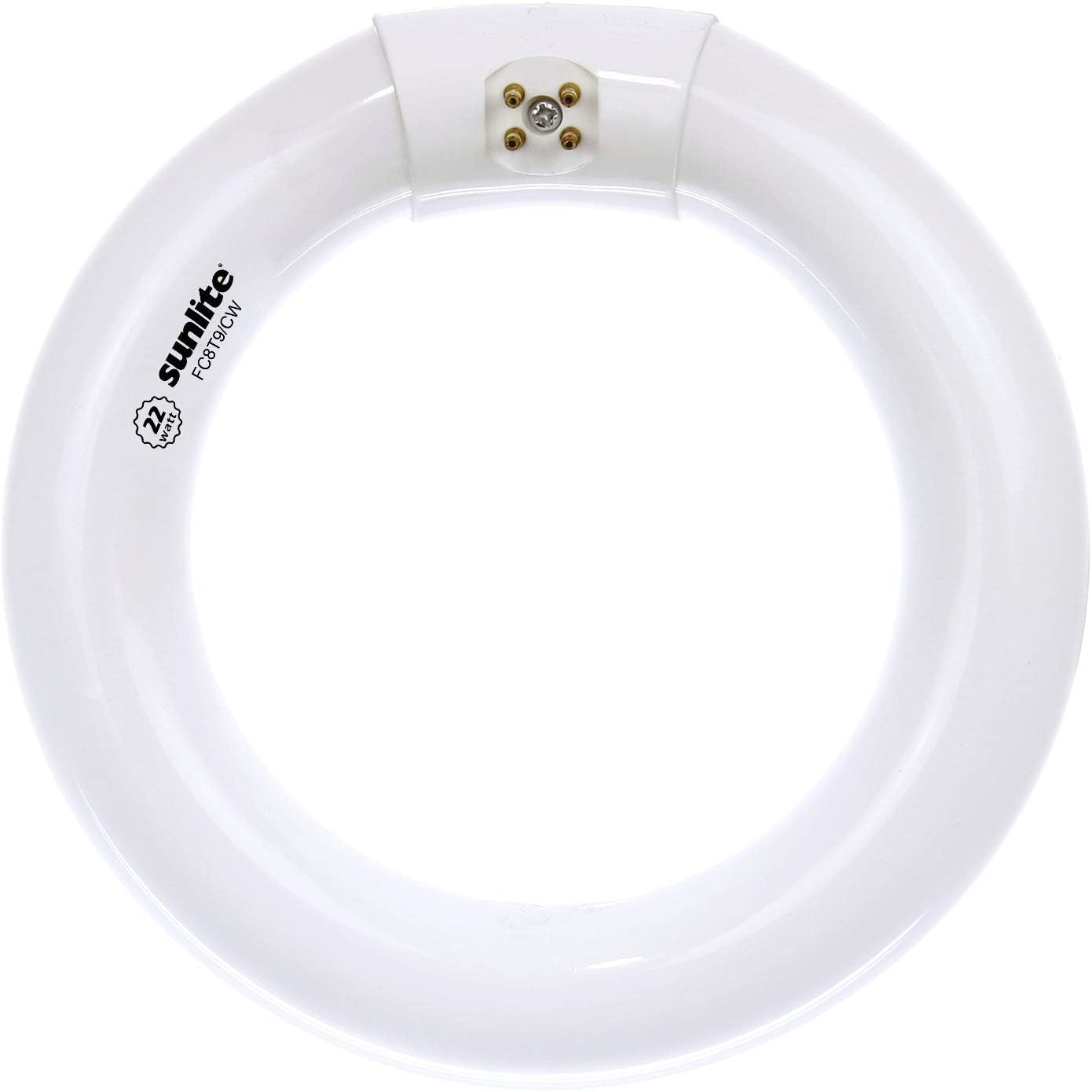


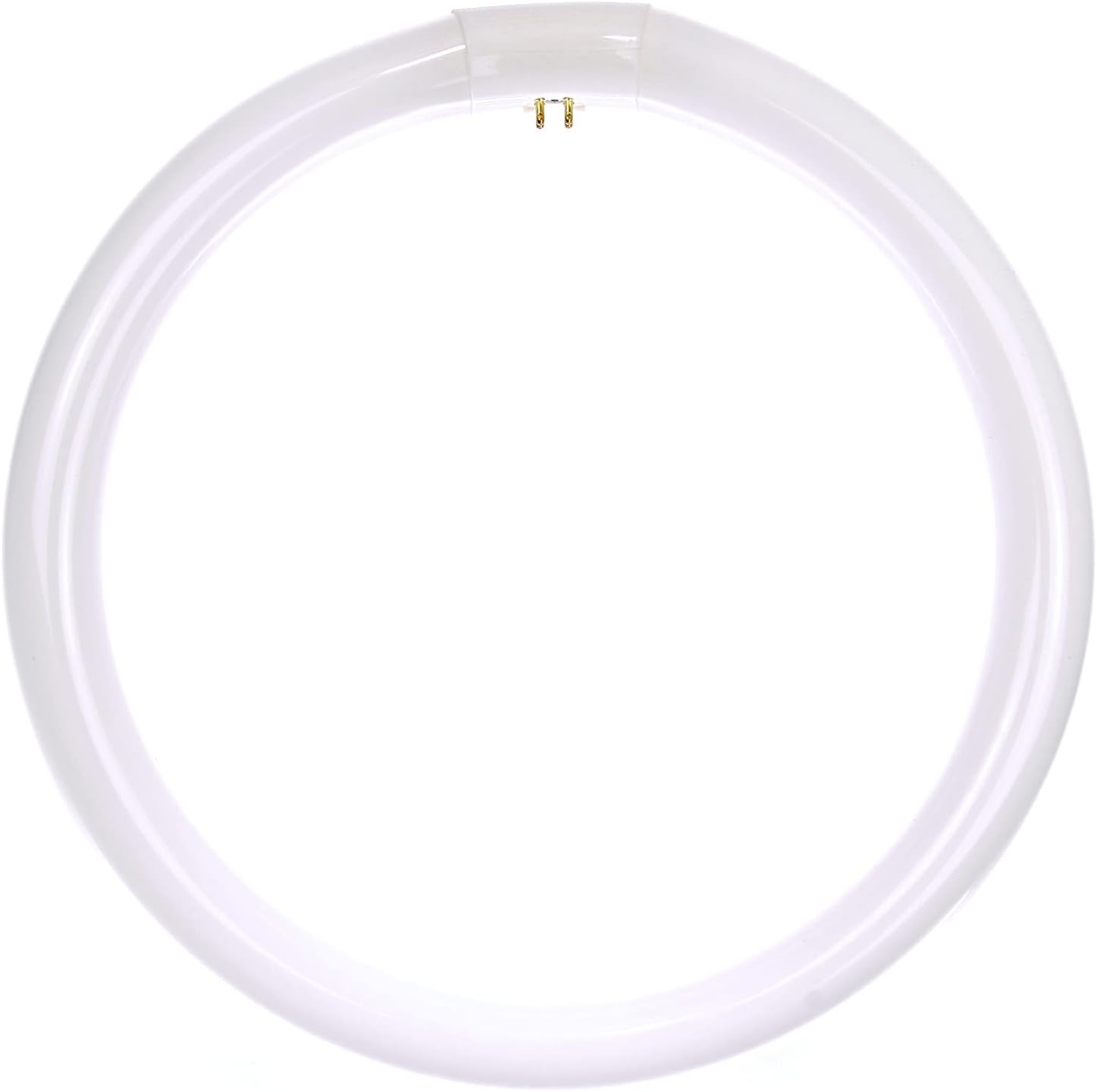
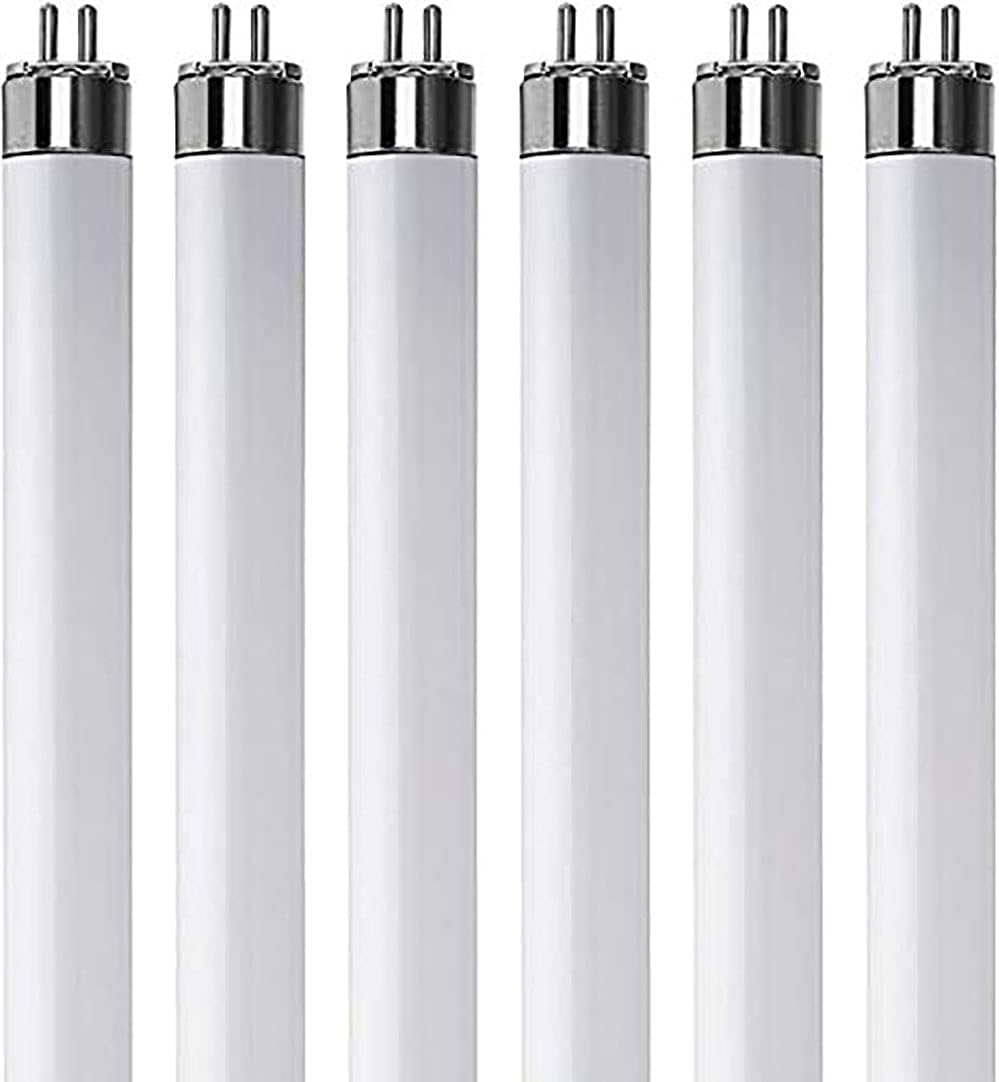


Unique Bulbs
Unique Bulbs (Pack of 2) F8T5/CW 8W T5 12" Cool White 4100k Fluorescent Light Bulb 20,000hr
See current price


Camco
Camco 54878 Replacement F15T8/CW Fluorescent Light Bulb - 18", white (Pack of 2)
See current price


Popular brands in Fluorescent Tubes
Fluorescent tubes are used in many ceiling fixtures, shop lights, office fittings, utility areas, and commercial installations. The right replacement must match more than appearance: tube shape, length, base, electrical design, and ballast compatibility all affect whether it will fit and operate correctly.
K-Catalog brings together fluorescent tube listings so shoppers can compare specifications and features in one place. Use the information on each product page to confirm compatibility with the fixture and existing lamp before clicking through to Amazon for current availability.
How to choose a fluorescent tube
Start by identifying the markings on the existing tube and the information printed on the fixture. The tube’s shape and length are important, but they are not the only details that determine compatibility.
Compare these fundamentals:
- Tube type and diameter: Tubes come in different shapes and thicknesses. Match the replacement to the fixture and socket design.
- Base and pin configuration: The ends must have the correct base style and pin arrangement for the sockets.
- Ballast compatibility: Check whether the tube is designed for a compatible ballast system, such as a rapid-start, instant-start, or preheat setup when specified by the manufacturer.
- Electrical requirements: Confirm the listed wattage and operating requirements against the fixture label.
- Light characteristics: Consider color temperature, color rendering information, and brightness for the space where the tube will be used.
- Intended application: A tube for an office, workshop, garage, display area, or plant-related setup may have different useful characteristics.
Do not rely on length alone. Two tubes that look similar may use different bases or require different ballast arrangements.
Fluorescent tubes compared with other bulb types
Fluorescent tubes are one part of the broader Light Bulbs category. They are generally selected when a fixture is designed around a linear tube rather than a screw-in bulb. Their long form can provide broad, even illumination across work surfaces and larger areas.
For an alternative technology, compare LED Bulbs when energy use, operating life, instant starting, or reduced maintenance is a priority. Compact Fluorescent Bulbs are a separate format intended for compatible compact fixtures rather than standard linear tube fittings.
Other lighting options may suit different fixtures and applications. Incandescent Bulbs and Halogen Bulbs are commonly associated with different socket designs and light characteristics. Specialized applications may call for Black Light Bulbs or High Intensity Discharge Bulbs instead of a general-purpose fluorescent tube.
Key specifications to compare
A product listing should provide enough information to determine whether the tube belongs in a particular fixture. Pay close attention to the complete specification set rather than one headline feature.
Physical fit: Compare the nominal length, diameter, tube shape, base type, and pin spacing. If the old tube is available, use its printed designation as a starting point and verify it against the new listing.
Electrical fit: Confirm the required wattage, voltage information, ballast type, and whether the tube is intended for a particular starting method. Some products are designed as direct replacements only for specific fixture configurations.
Light output: Color temperature influences how warm or cool the light appears. Color rendering can matter in work areas, retail displays, studios, kitchens, and other places where surface colors need to appear more naturally. Brightness and output details help determine whether a tube is suitable for general illumination or a more demanding task.
Construction and use: Look for information about the tube coating, glass or material construction, operating orientation, and recommended environment. For damp, cold, enclosed, or high-use locations, verify that the product documentation supports the intended setting.
Brands represented in the catalog
The catalog includes fluorescent tube listings from Philips, Sunlite, LEDVANCE, Eiko, LUMACTIV, OSRAM, Sylvania, Circle, COOSPIDER, Bluex Bulbs, Satco, and Feit Electric. These brands are represented as shoppers compare available specifications and formats; brand name alone should not replace checking the tube’s fit and electrical requirements.
When comparing products from different brands, review the same fields side by side: base configuration, dimensions, ballast requirements, light characteristics, and application guidance. This makes it easier to distinguish a true replacement from a tube that only appears similar.
Installation and replacement tips
Turn off power before removing a tube, and allow a recently used lamp to cool. Handle fluorescent tubes carefully, since the glass can break if twisted, dropped, or forced into an incompatible socket. The tube should seat naturally; do not apply excessive pressure to make the pins fit.
If a replacement flickers, fails to start, or does not illuminate evenly, recheck the tube and ballast compatibility, socket condition, and fixture wiring. A problem may come from the fixture rather than the lamp. Follow the manufacturer’s installation and disposal guidance, especially because fluorescent tubes require appropriate recycling or hazardous-waste handling in some locations.
Frequently asked questions
How do I know which fluorescent tube will fit my fixture?
Check the old tube’s markings, physical dimensions, base and pin configuration, and the fixture label. Then compare those details with the replacement listing.
Can any fluorescent tube work with any ballast?
No. Tube and ballast compatibility depends on the fixture’s electrical design and starting method. Confirm the ballast requirements before purchasing.
Does a longer tube provide more light?
Not necessarily. Light output depends on the tube design, wattage, coating, ballast, and other specifications. Compare the listed output rather than judging by length alone.
Should I replace a fluorescent tube with an LED bulb?
Only if the fixture and replacement product are compatible. LED replacements can use different wiring or ballast requirements, so follow the product and fixture instructions carefully.
What should I do with an old fluorescent tube?
Follow local disposal or recycling rules and the manufacturer’s guidance. Avoid placing a broken or unwanted tube in regular household waste unless local instructions specifically allow it.