

Incandescent Bulbs for Home and Specialty Lighting
Explore incandescent bulbs for general-purpose, decorative, appliance, and specialty lighting. Compare bases, shapes, brightness, color, dimming support, and fixture compatibility before clicking through to Amazon.
889 products in catalog
889 results
Filters
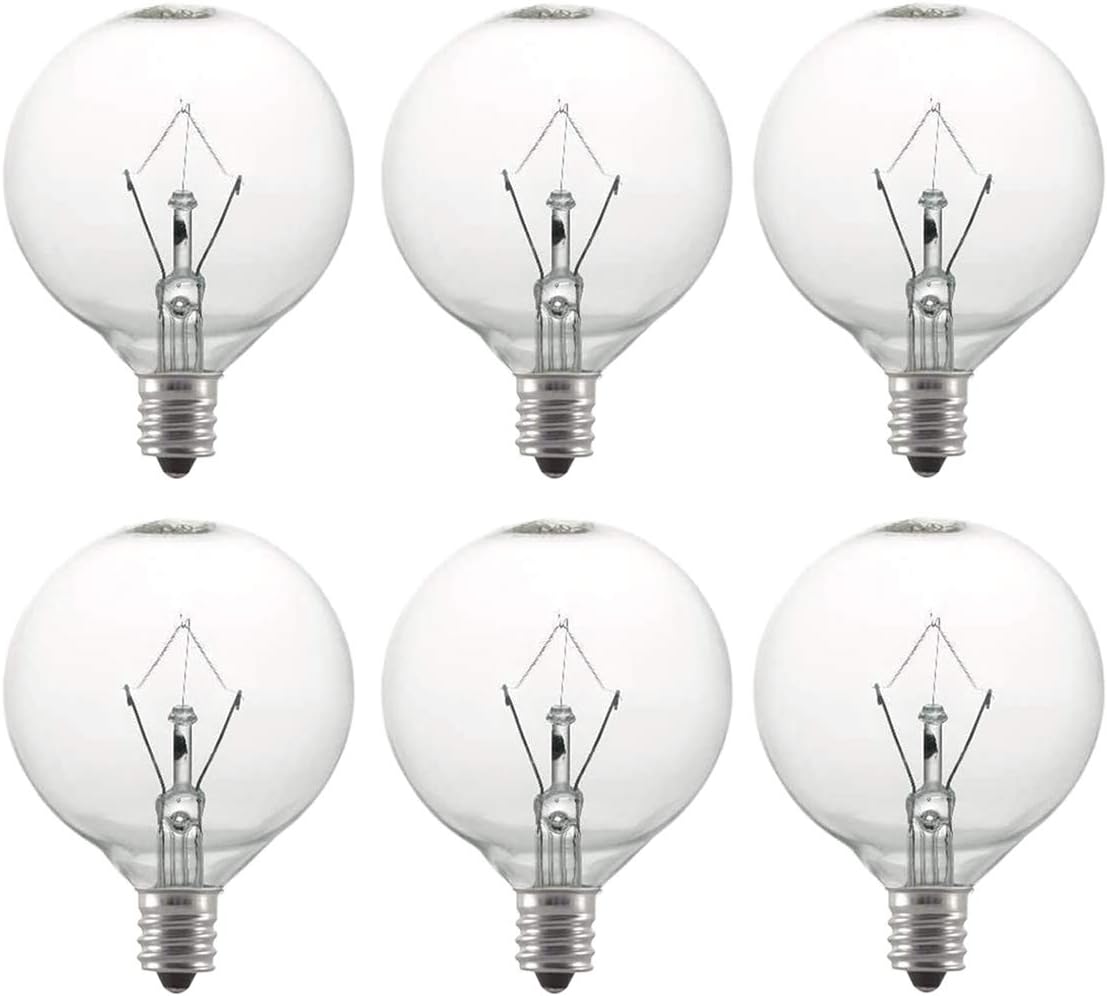


GE Lighting
GE Lighting Decorative Light Bulbs, 40 Watt, Clear Finish, Candelabra Base (12 Pack)
See current price


Basics Hardware
Basics Hardware 6-Pack Edison Light Bulb, Antique Vintage Style Light, Amber Warm, Dimmable (60w/110v)
See current price


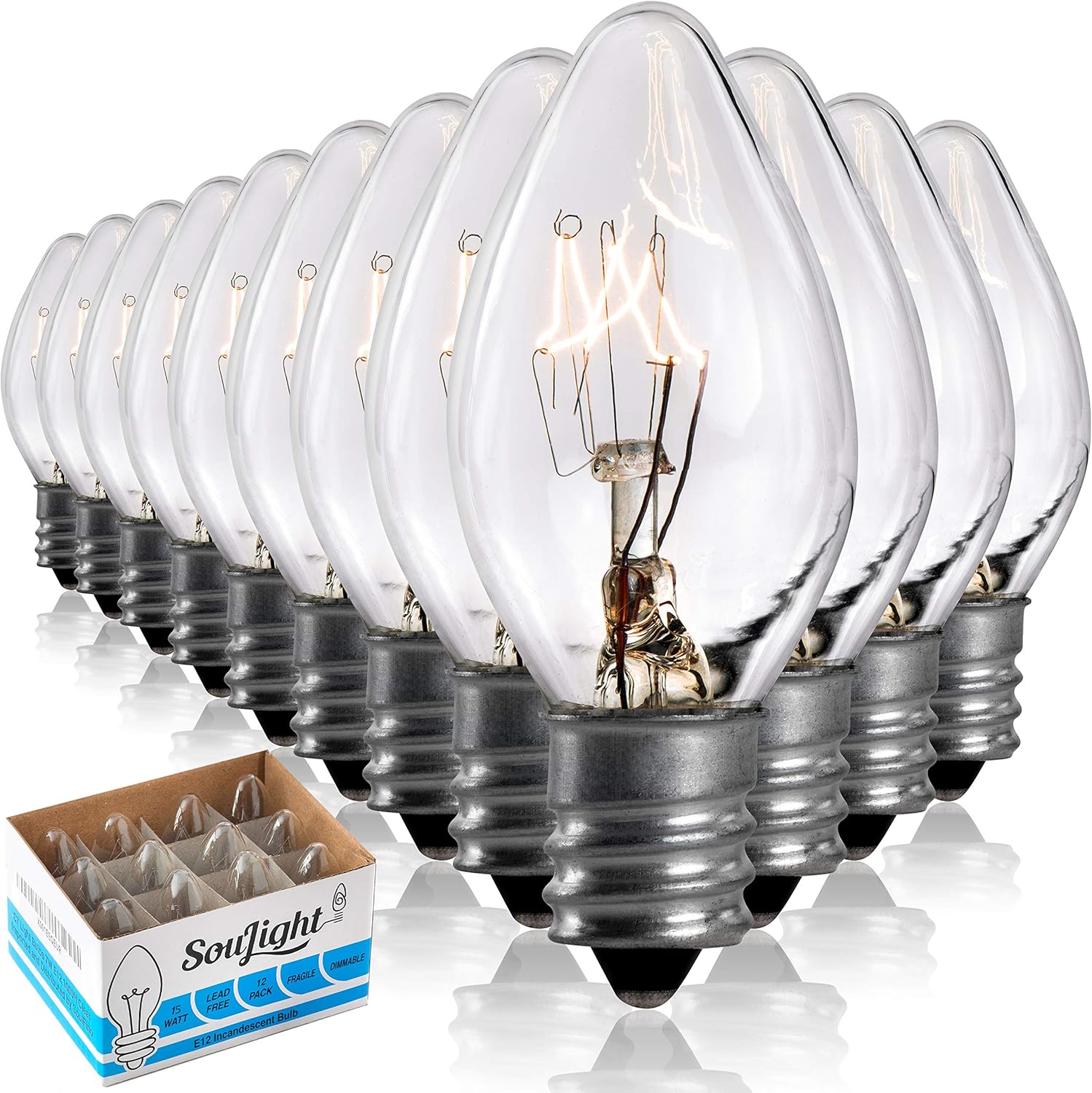


Novelty Lights
Novelty Lights 25 Pack C9 Ceramic Outdoor Christmas Replacement Bulbs, Pink, E17/C9 Intermediate Base, 7 Watt
See current price


Popular brands in Incandescent Bulbs
Incandescent bulbs remain useful when you want familiar warm light, straightforward dimming, or a traditional appearance. This category includes bulbs for everyday fixtures as well as decorative and specialty applications, so the right choice depends on more than the bulb’s shape.
Use this page alongside the broader Light Bulbs category to compare incandescent options with other lighting technologies and narrow your selection by the specifications that matter for your fixture.
How to choose an incandescent bulb
Start by checking the fixture rather than choosing by appearance alone. The socket determines which base can be used, while the fixture’s available space affects the bulb’s shape and overall dimensions. A bulb that fits the socket may still be unsuitable if it touches a shade, enclosure, or other surface.
Consider these factors before comparing individual products:
- Base type: Match the bulb base to the socket exactly. Common household sockets are not the only options; specialty fixtures may require a different base.
- Bulb shape and size: Choose a profile that fits inside the shade or housing and suits the fixture’s visual style.
- Brightness: Compare the listed lumens when available. Wattage describes energy use, not brightness by itself.
- Color and finish: Clear glass gives a more defined, decorative appearance, while frosted glass can soften the light and reduce visible glare.
- Dimming: Many incandescent bulbs work with dimmer switches, but the fixture, dimmer, and bulb should still be compatible.
- Voltage and electrical requirements: Confirm that the bulb matches the intended household or specialty application.
Common uses and bulb styles
Incandescent bulbs are often selected for table lamps, floor lamps, ceiling fixtures, vanity lights, chandeliers, and decorative fixtures. Clear filament-style designs can complement exposed-bulb fixtures, while traditional frosted bulbs may be better suited to shades that need softer illumination.
For enclosed fixtures, check the product specifications carefully. Some bulbs are designed for particular fixture conditions, while others may have restrictions related to heat or ventilation. Appliance and specialty bulbs should be used only for the purpose described by the manufacturer.
If energy efficiency or lower operating heat is a priority, compare incandescent products with LED Bulbs. Shoppers looking for another traditional lighting technology can also review Halogen Bulbs, while tubular fixtures may call for Fluorescent Tubes instead.
Key specifications to compare
Product listings can use similar-looking photos for bulbs with very different intended uses. Read the specification panel and compare the complete set of details rather than relying on the product title alone.
Important specifications include:
- Lumens and wattage: Use lumens to compare light output and wattage to confirm the fixture’s permitted energy draw.
- Color temperature: A warmer color can create a cozy atmosphere, while a less-warm appearance may suit task-oriented spaces. Check the listed color temperature rather than assuming all incandescent bulbs are identical.
- Dimmability: Confirm whether dimming is supported and whether any dimmer compatibility guidance is provided.
- Shape designation: The listed shape can help determine whether the bulb will fit a shade, reflector, globe fixture, or decorative socket.
- Glass and filament design: Clear, frosted, colored, and vintage-inspired finishes create different visual effects.
- Service and safety information: Review handling instructions, recommended applications, and any enclosed-fixture or temperature limitations.
Brands represented in the catalog
The catalog includes incandescent bulbs from GE, LEDVANCE, KOR, GE Lighting, Bulbrite, Creative Hobbies, Sterl Lighting, Sunlite, Ruisita, CEC, Philips, and Satco. These brands may cover different combinations of household, decorative, replacement, and specialty formats. Compare each listing by its own specifications, because product details can vary within a brand.
Installation and care tips
Turn off the fixture and allow an existing bulb to cool before replacing it. Avoid touching hot glass, and handle the replacement bulb according to the manufacturer’s instructions. Make sure the bulb is fully seated without forcing the base, but do not overtighten it.
Check the fixture label for its maximum permitted wattage and use a bulb intended for the fixture’s environment. For enclosed, damp, outdoor, or appliance applications, verify that the product specifically supports that use. Dispose of burned-out bulbs according to local guidance, and keep spare bulbs protected from impact and moisture.
For alternatives with different operating characteristics, compare incandescent bulbs with Compact Fluorescent Bulbs, Black Light Bulbs, or High Intensity Discharge Bulbs when those formats better match the fixture or application.
Frequently asked questions
Are incandescent bulbs dimmable?
Many incandescent bulbs are compatible with dimmer switches, but compatibility should be confirmed in the product specifications. The dimmer and fixture also need to support the installation.
How do I know which incandescent bulb base I need?
Inspect the existing bulb, socket, or fixture documentation and match the base type shown in the listing. The bulb’s shape alone does not identify its base.
Are lumens or wattage more important for brightness?
Lumens are the better specification for comparing light output. Wattage indicates energy consumption and helps confirm that the bulb stays within the fixture’s limit.
Can any incandescent bulb be used in an enclosed fixture?
Not necessarily. Check the product and fixture instructions for enclosure restrictions, heat considerations, and ventilation requirements before installation.
What is the difference between clear and frosted incandescent bulbs?
Clear bulbs usually show the filament more distinctly and produce a sharper decorative effect. Frosted bulbs diffuse the light for a softer appearance, though the exact result depends on the fixture and shade.