

High Intensity Discharge Bulbs
Compare high intensity discharge bulbs by lamp type, base, wattage, color, and ballast requirements. Check compatibility carefully before choosing a replacement for commercial, industrial, or outdoor lighting.
16 products in catalog
16 results
Filters


Bluex Bulbs
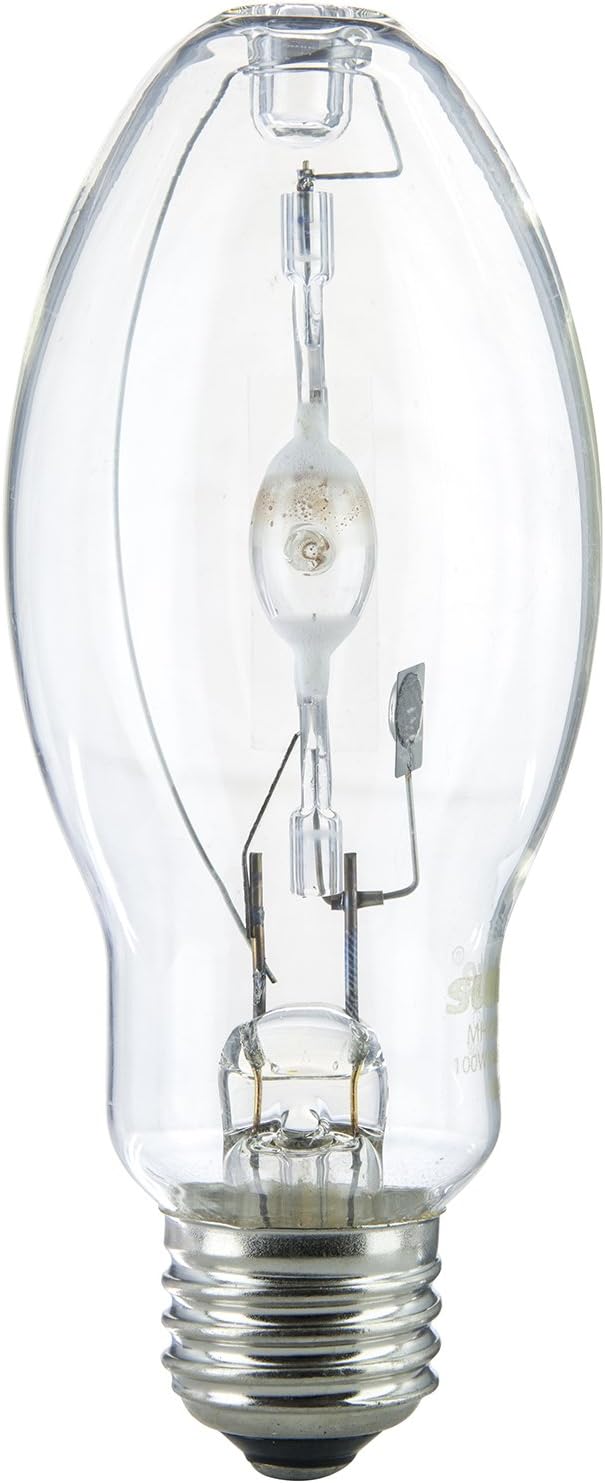
Bluex Bulbs 3 Pack MP100/U/MED 100 Watt Metal Halide ED17 Bulb, Medium Base, Clear Metal Halide Bulb 100W
See current price



Popular brands in High Intensity Discharge Bulbs
High intensity discharge (HID) bulbs are designed for fixtures that use an electrical ballast and are commonly selected for powerful, directional lighting. They are used in settings such as warehouses, workshops, outdoor areas, garages, and commercial spaces where ordinary household bulbs may not be suitable.
The right replacement depends on more than brightness. Lamp technology, wattage, socket base, voltage, color appearance, ballast compatibility, and fixture requirements all need to match. This catalog includes HID options from brands such as Sunlite, Philips, Bluex Bulbs, OSRAM, LUXRITE, Premium, OttLite, and BRINKS, giving shoppers products to compare by specifications and features.
How to choose a high intensity discharge bulb
Start by identifying the information printed on the existing bulb, fixture label, or ballast. Replacing a lamp with the wrong electrical specifications can cause poor operation, premature failure, or a safety concern.
Compare these details before selecting a bulb:
- Lamp type: Common HID technologies include metal halide, high-pressure sodium, and mercury vapor. The fixture must be designed for the specific lamp technology.
- Wattage: Match the replacement to the fixture and ballast rating. A higher-wattage bulb is not automatically a suitable upgrade.
- Base and shape: The socket base must fit securely, while the bulb shape must provide enough clearance inside the fixture.
- Voltage and ballast: Confirm that the bulb works with the fixture’s voltage and ballast system. Some lamps are intended for specific ballast configurations.
- Color appearance: Color temperature and light color affect how spaces, signs, equipment, or outdoor areas appear.
- Operating position: Some HID lamps have approved burning positions, so check whether the bulb is suitable for vertical, horizontal, or universal installation.
If the original lamp markings are unclear, consult the fixture manufacturer or a qualified lighting professional rather than guessing.
HID bulb types and lighting characteristics
Metal halide bulbs are often chosen when a brighter, whiter appearance and good color rendering are important. They may suit commercial, industrial, retail, and area-lighting applications, depending on the fixture and ballast.
High-pressure sodium bulbs are associated with a warmer, more amber light. They can be useful for outdoor and security lighting where efficient area illumination matters more than natural-looking color.
Mercury vapor bulbs are an older HID technology found in some existing outdoor and industrial fixtures. Compatibility is especially important when replacing one, since the fixture may require a particular ballast and lamp design.
HID lamps can also differ in startup and operating behavior. Some require warm-up time before reaching full output and may need time to cool before restarting after power interruption. Check the product specifications and fixture instructions if fast restart or frequent switching is important.
Features and specifications to compare
The most useful comparison is between the complete lamp specification and the fixture requirements. Look beyond the bulb’s appearance and review:
- Rated wattage and voltage
- Lamp technology and designation
- Base type and physical dimensions
- Color temperature or stated light color
- Lumen output, when provided
- Rated life, when provided
- Dimming or control compatibility
- Enclosed-fixture requirements
- Approved operating position
Physical clearance is easy to overlook. Measure the available space if the replacement has a different envelope shape, neck, or overall length. Also check whether the fixture requires an enclosed lamp because of heat, pressure, or safety requirements.
For a broader look at household and specialty lighting, browse the Light Bulbs category. If the fixture can accept a different technology, compare LED Bulbs, Incandescent Bulbs, Halogen Bulbs, Fluorescent Tubes, or Compact Fluorescent Bulbs. Specialty applications may also call for Black Light Bulbs.
Brands represented in the catalog
The catalog includes HID products from Sunlite, Philips, Bluex Bulbs, OSRAM, LUXRITE, Premium, OttLite, and BRINKS. Brand selection should be considered alongside the technical specifications. The correct lamp type, ballast match, base, wattage, and fixture approval are more important than choosing by brand name alone.
Installation and safety tips
Turn off power and allow an HID lamp and fixture to cool before handling. Use the correct replacement wattage and avoid touching applicable lamp surfaces with bare hands if the manufacturer advises against it. Inspect the socket, ballast, wiring, and fixture for signs of damage or overheating.
Do not install an HID bulb in a fixture that is not rated for that lamp type. Follow the manufacturer’s instructions for enclosure, position, and disposal. If the fixture hums, cycles, fails to reach normal brightness, or repeatedly shuts off after installation, switch it off and check compatibility with a qualified electrician.
Frequently asked questions
Do HID bulbs work in standard household sockets?
Usually not. HID bulbs generally require a compatible fixture, socket, and ballast, so they should not be treated as direct replacements for ordinary household lamps.
How do I know which HID bulb replaces my current lamp?
Match the existing lamp’s technology, wattage, voltage, base, dimensions, operating position, and ballast requirements. The fixture label and ballast label are useful references.
Do HID bulbs reach full brightness immediately?
Some HID lamps require a warm-up period. Startup and restart behavior varies by lamp technology and fixture, so check the specifications before choosing one for frequently switched lighting.
Can I use a higher-wattage HID bulb for more light?
No. The bulb must stay within the fixture and ballast rating. A higher wattage can create overheating, electrical, or performance problems.
When should I consider an LED replacement?
Consider an LED option only if the fixture is compatible with the LED product or is being properly converted. Compare the required wiring, ballast arrangement, light distribution, and physical fit before changing technologies.