

Halogen Bulbs
Compare halogen bulbs by base, shape, wattage, light color, dimming support, and fixture compatibility. Check specifications carefully to find a suitable replacement for your light.
374 products in catalog
374 results
Filters


Philips LED
Philips 415794 Indoor Flood 50-Watt MR16 GU10 Base 120-Volt Light Bulb,Halogen, 3-Pack
See current price
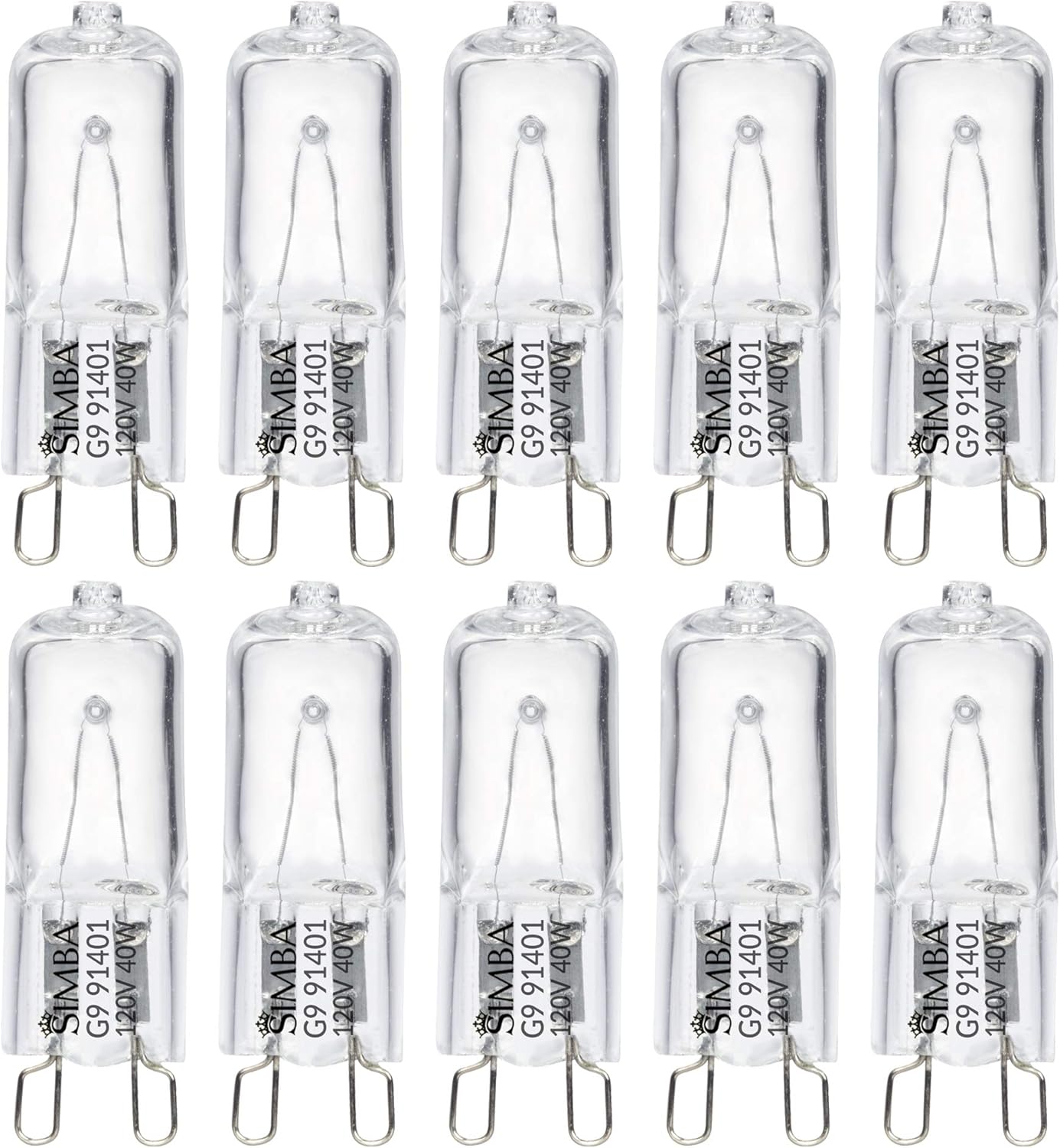
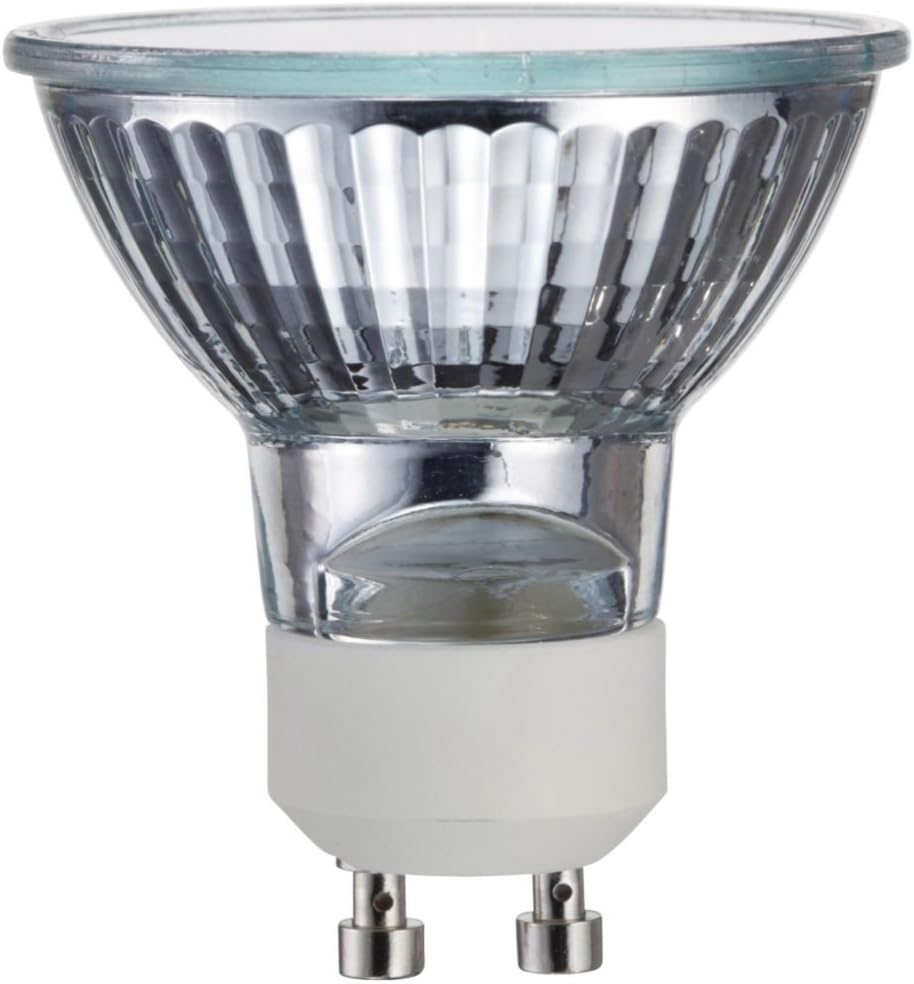


Philips
Philips 415729 500-Watt 4.7-Inch T3 RSC 120-Volt Light Bulb with Double Ended Base, 2-Pack
See current price


Popular brands in Halogen Bulbs
Halogen bulbs are a practical choice when you need a bright, focused light source and a familiar replacement for certain household, accent, task, or specialty fixtures. They are available in several shapes, bases, wattages, and beam patterns, so matching the bulb to the fixture is more important than choosing by appearance alone.
This K-Catalog category brings together halogen bulbs from brands including Simba Lighting, KOR, Triangle Bulbs, GE, OSRAM, Philips, Sterl Lighting, Bluex Bulbs, Vinaco, and LUXRITE. Philips LED and Anyray also appear in the catalog, giving shoppers additional brand and product listings to compare across lighting categories.
How to choose a halogen bulb
Start with the specifications printed on the existing bulb, fixture label, or manufacturer instructions. The replacement should match the fixture’s requirements for voltage, wattage, base, and physical dimensions. A bulb that fits the socket may still be unsuitable if its electrical specifications or heat output do not match the fixture.
Consider where the bulb will be used:
- General room lighting: Look for a shape and beam spread that distributes light appropriately across the space.
- Task lighting: A focused beam can work well for desks, reading areas, work surfaces, or display lighting.
- Accent lighting: Reflector-style bulbs and directional beam patterns can help highlight artwork, shelving, or architectural details.
- Specialty fixtures: Compact capsules and other small formats are often designed for particular lamps or equipment, so dimensions and base style matter.
If you are open to other bulb technologies, compare halogen options with LED Bulbs and Incandescent Bulbs before making a choice.
Halogen bulb types to compare
Halogen bulbs differ by both construction and intended application. Common formats include standard household shapes, reflector bulbs, flood-style bulbs, spot bulbs, tubular bulbs, and compact capsule designs. The right shape depends on how the fixture positions and distributes light.
Reflector and spot formats are suited to directional lighting, while flood-style designs generally spread light across a wider area. Tubular and capsule bulbs are frequently used in decorative, under-cabinet, landscape, or specialty fixtures, but the exact application depends on the socket and fixture instructions.
For broader category research, the parent Light Bulbs section can help you compare halogen bulbs with other lighting formats. Fluorescent and specialty alternatives include Fluorescent Tubes, Compact Fluorescent Bulbs, and High Intensity Discharge Bulbs.
Key specifications and features
Pay close attention to the following details on each product listing:
- Base type: The base must match the fixture socket exactly. Similar-looking bases are not always interchangeable.
- Voltage: Choose a bulb rated for the electrical system and fixture. Some halogen products are intended for specific low-voltage applications.
- Wattage: Match the fixture’s maximum permitted wattage. Higher wattage can produce more heat and may create a safety issue in an unsuitable fixture.
- Bulb shape and size: Check overall length, diameter, and clearance around the bulb, especially in recessed, enclosed, or compact fixtures.
- Light color: Compare the listed color description when the appearance of the light matters for a room, display, or task area.
- Beam angle: Directional bulbs may be listed as spot, narrow flood, or flood styles. Select the spread that suits the area being illuminated.
- Dimming: If the light is connected to a dimmer, confirm that the bulb and dimmer are compatible.
- Fixture rating: Verify whether the bulb is approved for enclosed fixtures, outdoor use, or other conditions before installation.
Installation and handling tips
Halogen bulbs operate at high temperatures. Turn off the power and allow the old bulb and fixture to cool before replacing it. Avoid touching the glass with bare fingers; oils from skin can affect the glass when the bulb heats up. Use a clean cloth or follow the handling instructions supplied with the product.
Make sure the bulb is seated securely without forcing it into the socket. Keep flammable materials away from the fixture, and do not exceed the fixture’s wattage limit. For outdoor, damp, enclosed, or specialty applications, confirm that both the bulb and fixture are rated for the intended environment.
Comparing brands in the catalog
The catalog includes listings from Simba Lighting, KOR, Triangle Bulbs, GE, OSRAM, Philips, Sterl Lighting, Bluex Bulbs, Vinaco, LUXRITE, Philips LED, and Anyray. Brand availability can vary by bulb type and specification, so compare the individual product details rather than selecting by brand name alone. Check the current product information on Amazon before purchase.
Frequently asked questions
Are halogen bulbs interchangeable with LED bulbs?
Not always. Socket fit, voltage, wattage, heat, dimmer compatibility, and fixture clearance all need to be checked before substituting one bulb type for another.
Do halogen bulbs get hot?
Yes. Halogen bulbs can become very hot during operation, so use the correct wattage, maintain clearance, and keep them away from materials that could be damaged by heat.
Can halogen bulbs be dimmed?
Many halogen bulbs support dimming, but compatibility depends on the bulb, fixture, and dimmer. Confirm the product specifications before installation.
How do I find the correct halogen bulb replacement?
Match the old bulb or fixture label for base, voltage, wattage, shape, dimensions, and intended application. When those details are unavailable, consult the fixture manufacturer’s instructions.
Can I touch a halogen bulb while installing it?
Avoid touching the glass with bare fingers. Handle the bulb with a clean cloth or according to the manufacturer’s instructions, and install it only after the fixture has been switched off and cooled.