

LED Bulbs
Compare LED bulbs by brightness, shape, base, color temperature, dimming support, and smart features. Use the catalog to narrow options for fixtures, rooms, and everyday lighting needs.
4,118 products in catalog
4,118 results
Filters


Great Eagle Lighting Corporation
GREAT EAGLE LIGHTING CORPORATION A19 LED Light Bulb, 9W (60W Equivalent), UL Listed, 4000K (Cool White), 750 Lumens, Non-dimmable, Standard Replacement (4 Pack)
See current price

Amazon Basics
Amazon Basics 60W Equivalent, Soft White, Non-Dimmable, 10,000 Hour Lifetime, A19 LED Light Bulb | 2-Pack
See current price


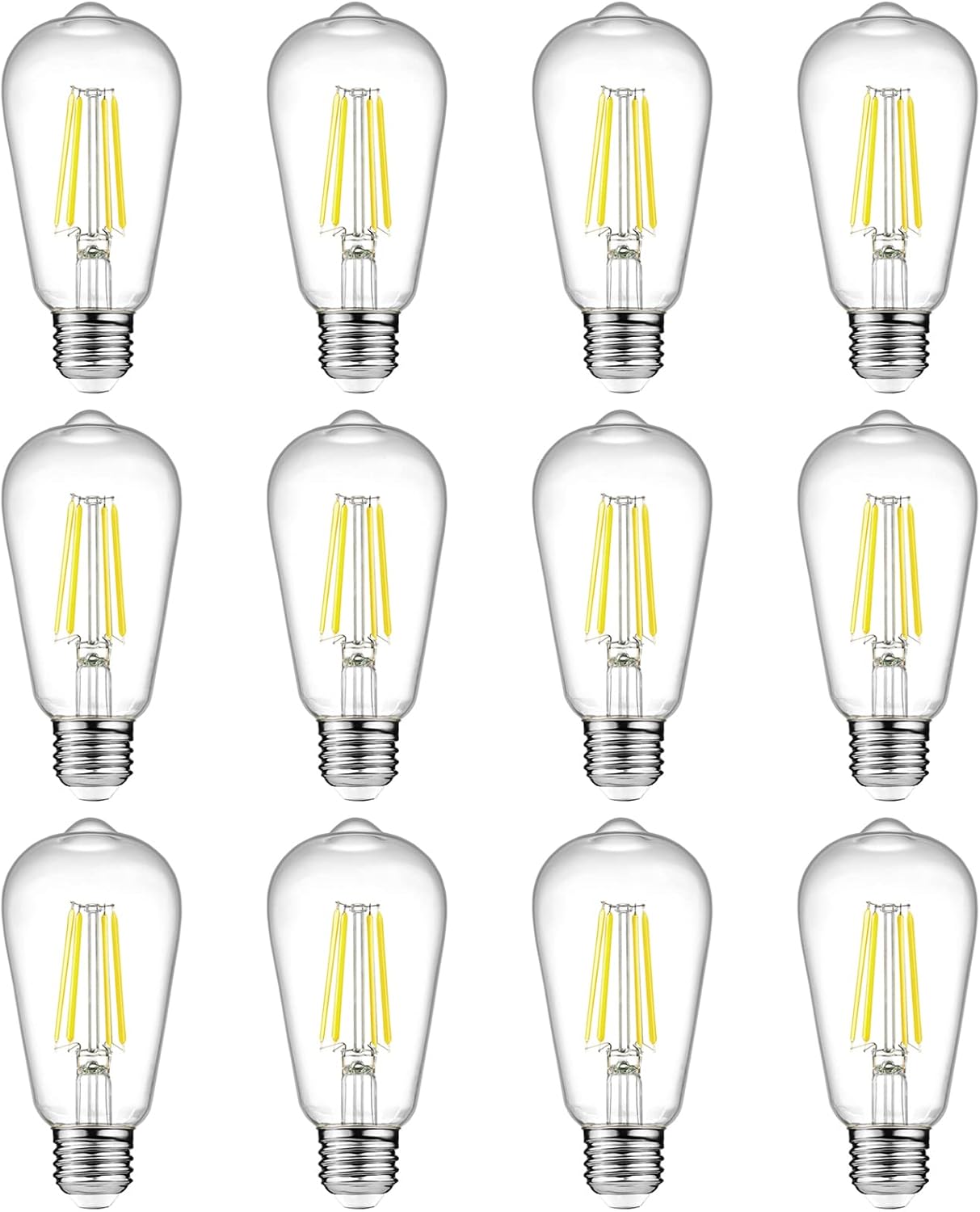


ENERGETIC SMARTER LIGHTING
ENERGETIC SMARTER LIGHTING 60W Equivalent A19 LED Light Bulb, Soft White 2700K, E26 Standard Base, UL Listed, Non-Dimmable LED Light Bulb, 15000 Hrs, 4 Pack
See current price


Amazon Basics
Amazon Basics 60W Equivalent, Soft White, Dusk to Dawn Sensor, Non-Dimmable, A19 LED Light Bulb | 2-Pack
See current price

Popular brands in LED Bulbs
LED bulbs are available for nearly every household lighting task, from general room illumination to accent, task, outdoor, and specialty fixtures. The right choice depends on more than wattage: bulb shape, socket compatibility, brightness, light color, and controls all affect how well a bulb works in a particular fixture.
Use this page to compare specifications and features across LED bulb options. Before selecting a product, check the fixture requirements and make sure the bulb’s size, base, and electrical characteristics match the application.
How to choose LED bulbs
Start with the fixture rather than the bulb package. Look at the existing bulb, socket, shade, and available clearance, then compare the following details:
- Base type: The base must fit the socket securely. Common household bulbs use screw-in bases, but the exact size still matters.
- Bulb shape: A standard household shape may suit open fixtures, while candle, globe, reflector, or tube-style bulbs may be designed for different shades and applications.
- Brightness: Compare lumens when possible instead of relying only on watt-equivalent labeling. Higher lumen output generally provides more light, but the ideal level depends on the room and fixture.
- Color temperature: Warm light is often suited to bedrooms, living areas, and dining spaces. Neutral or daylight-toned light can work well for kitchens, offices, garages, and task lighting.
- Dimming: If the bulb will be used with a dimmer, confirm that it is specifically labeled as dimmable and that the dimmer is compatible.
- Fixture compatibility: Check whether the bulb is suitable for enclosed fixtures, damp locations, outdoor use, or directional applications when relevant.
LED bulb types and applications
LED bulbs come in several formats, even though the catalog may group them under one broad category. Standard bulbs are useful for lamps and ceiling fixtures, while decorative shapes can complement exposed sockets and pendant lights. Reflector and flood-style bulbs direct light toward a surface, making them practical for recessed fixtures, track lighting, and task areas.
Globe bulbs can provide a wider appearance for bathroom vanities and decorative fixtures. Candle-shaped bulbs are commonly selected for chandeliers, sconces, and fixtures where the bulb remains visible. Tube-style LED products may be intended for specific linear fixtures, so compare dimensions and connection requirements carefully.
If LED is not the right fit for a particular fixture or project, K-Catalog also includes Incandescent Bulbs, Halogen Bulbs, Fluorescent Tubes, and Compact Fluorescent Bulbs. Specialty lighting needs may be better served by Black Light Bulbs or High Intensity Discharge Bulbs.
Features and specifications to compare
Product specifications can help distinguish bulbs that look similar but serve different purposes. Pay particular attention to:
- Rated life and construction: Review the stated operating life and housing design, especially for bulbs placed in hard-to-reach fixtures.
- Beam pattern: A wide distribution can help illuminate a room, while a narrower beam may be preferable for highlighting artwork, counters, or displays.
- Color rendering: A higher color-rendering specification can be useful where accurate appearance matters, such as dressing areas, kitchens, craft spaces, and workrooms.
- Smart controls: Smart LED bulbs may support app control, voice assistants, schedules, scenes, or adjustable colors. Confirm the required hub, wireless connection, and mobile-platform compatibility.
- Energy information: Compare the bulb’s power use and brightness together. A lower wattage alone does not indicate how much light the bulb produces.
- Operating environment: For garages, porches, bathrooms, or other demanding locations, verify temperature, moisture, and enclosure guidance.
Brands represented in the catalog
The LED bulb catalog includes options from Amazon Basics, Philips, Sunco Lighting, Feit Electric, GE, ENERGETIC SMARTER LIGHTING, Bluex Bulbs, L LOHAS LED, LEDVANCE, GE Lighting, Sengled, and Cree Lighting. These brands may offer different combinations of bulb shapes, brightness levels, color options, dimming support, and smart functionality.
Treat brand as one comparison point rather than a substitute for checking specifications. The same brand can offer products for very different fixtures and use cases, so confirm the details for the individual bulb before choosing.
Installation and use tips
Turn off power before replacing a bulb and allow a recently used bulb to cool. Do not force a bulb into a socket, and avoid exceeding the fixture’s stated limits. If a bulb flickers, hums, fails to dim smoothly, or does not fit correctly, check compatibility among the bulb, fixture, and control switch.
For enclosed fixtures or damp areas, follow the product’s location guidance. Smart bulbs also need a compatible power arrangement; turning off the wall switch may disconnect the bulb from the network and prevent app or voice control.
Frequently asked questions
Are LED bulbs interchangeable with any light bulb?
Not always. The replacement must match the socket base, physical dimensions, fixture requirements, and electrical specifications. Dimming and location compatibility may also differ.
How do I choose the right LED bulb brightness?
Compare lumen output and consider the room, fixture, shade, and intended task. A decorative lamp may need less light than a kitchen, workspace, or garage fixture.
What color LED bulb should I choose?
Warm light is generally comfortable for relaxing areas, while neutral or daylight-toned light can support task-focused spaces. Personal preference and existing room lighting also matter.
Can LED bulbs be used with dimmer switches?
Only when the bulb is marked as dimmable and the dimmer is compatible. Non-dimmable bulbs may flicker or behave unpredictably when connected to a dimmer.
Are smart LED bulbs worth considering?
They can be useful when app control, scheduling, voice commands, scenes, or color adjustment are important. Check connectivity and hub requirements before buying.
Where can I compare current product details?
Use the catalog to compare available specifications and features, then visit Amazon to check the current product information and availability.