
Ventline
Ventline (BV0115-04 with Screw Operator Assembly with Crank Handle and Screw
See current price

Compare handles and pulls for cabinets, drawers, doors, equipment, and other industrial hardware applications. Review mounting details, materials, dimensions, and compatibility before choosing an option.
4 products in catalog
4 results
Ventline
See current price
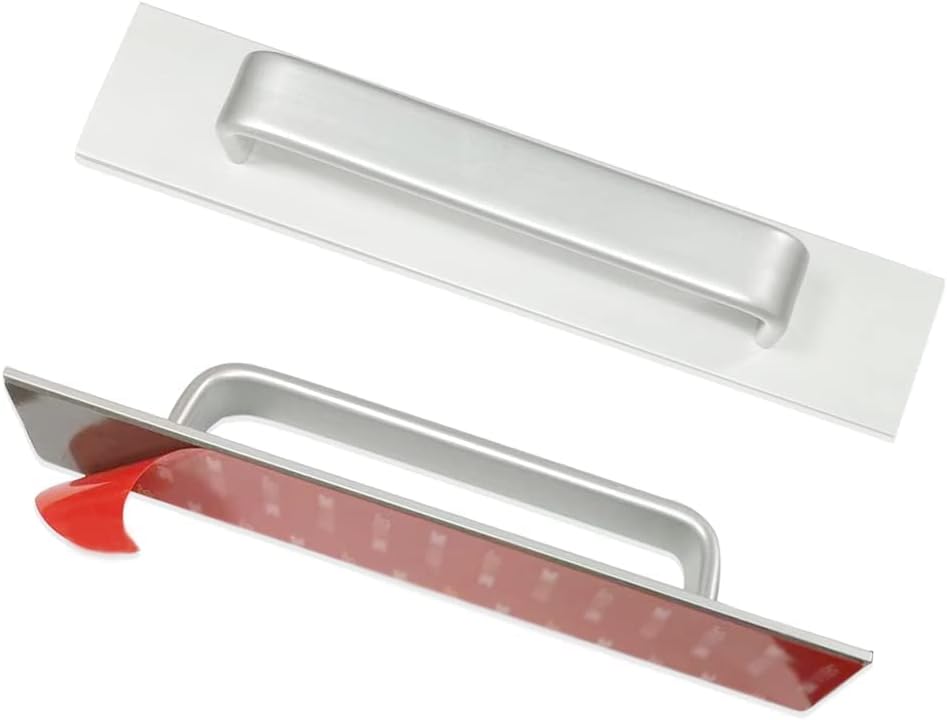


Handles and pulls provide a practical gripping point for opening, positioning, or carrying equipment and fixtures. The right choice depends on where the hardware will be installed, how it will be used, and how well its mounting pattern and dimensions match the application.
This K-Catalog selection helps shoppers compare available options by specifications and features before visiting Amazon to check current availability. Use the guidance below to narrow the field based on installation requirements, durability, ergonomics, and appearance.
Start with the application rather than appearance alone. A pull for a frequently used cabinet or access panel may need a different shape and mounting method than a handle intended for occasional use on equipment or a storage fixture.
Consider these questions before comparing individual products:
If the handle will replace existing hardware, measure the current mounting points before ordering. Matching the existing holes can make installation easier and may avoid drilling new ones.
Handles are generally selected for a secure grip and straightforward operation, while pulls are often chosen for drawers, cabinet fronts, panels, and doors. Some designs emphasize a compact profile, while others provide more room for the fingers or allow the user to pull while wearing gloves.
A recessed or low-profile design can be useful where surrounding objects could catch on a protruding handle. A projecting pull may be easier to grasp when users need extra finger clearance. Bar-style designs can suit broad cabinet fronts or equipment panels, while smaller pulls may be more appropriate for compact doors and drawers.
For industrial applications, the mounting surface matters as much as the handle itself. A suitable product should sit securely without interfering with hinges, latches, wiring, or other components. When a handle will be used to move a heavy panel or fixture, verify that the product and fasteners are appropriate for the expected load rather than relying on appearance alone.
Product descriptions can vary, so compare the details that affect installation and everyday use:
Do not compare products by size alone. A handle that fits the panel may still have an unsuitable mounting depth, projection, grip, or fastener arrangement.
The Handles & Pulls catalog includes products from Ventline, JQK, Skyscraper, and PZRT. These brands provide additional options to compare, but the best selection depends on the product’s specifications and compatibility with the intended installation. Review each listing carefully for dimensions, materials, mounting details, and included components.
Handles and pulls are often installed alongside other hardware. Browse Industrial Hardware for the broader category, or compare adjacent options such as Hooks, Grommets, and Brackets. For projects involving fastening, reinforcement, or support, Biscuits & Plugs, Chains, and Braces & Joist Hangers may also be relevant.
Measure the mounting surface and mark hole locations carefully before drilling. Check the handle against the panel or door in its fully open and closed positions to confirm that it will not strike nearby components. Use fasteners suited to the material and thickness of the mounting surface, and tighten them securely without damaging the handle or panel.
After installation, check for movement, loosening, sharp edges, or interference. Periodic inspection is especially useful on hardware exposed to repeated pulling or vibration. Clean the handle according to the material and finish instructions, and avoid products that could damage the surface.
A handle usually describes a component designed to be grasped directly, while a pull commonly refers to hardware attached to a drawer, cabinet, door, or panel. Product terminology can overlap, so mounting details and dimensions matter more than the label alone.
Measure the available mounting area, existing hole spacing, required finger clearance, and the amount of projection that can fit without interfering with nearby parts. Compare those measurements with the product specifications.
It may be possible if the new product matches the existing mounting pattern and provides suitable clearance. If the holes do not align, confirm that the panel can be safely modified before drilling.
The appropriate material depends on the environment, frequency of use, cleaning requirements, appearance, and expected load. Compare the manufacturer’s material and finish information with the conditions where the handle will be installed.
Confirm the dimensions, mounting pattern, fastener requirements, panel thickness, clearance, and intended use. Also verify that the installation will not obstruct hinges, latches, wiring, or moving components.