

Industrial Hinges for Doors, Cabinets & Equipment
Compare industrial hinges by construction, movement, mounting method, material, and application. Use the available specifications to narrow options for cabinets, enclosures, doors, and equipment.
15 products in catalog
15 results
Filters
Availability
Brand
Price


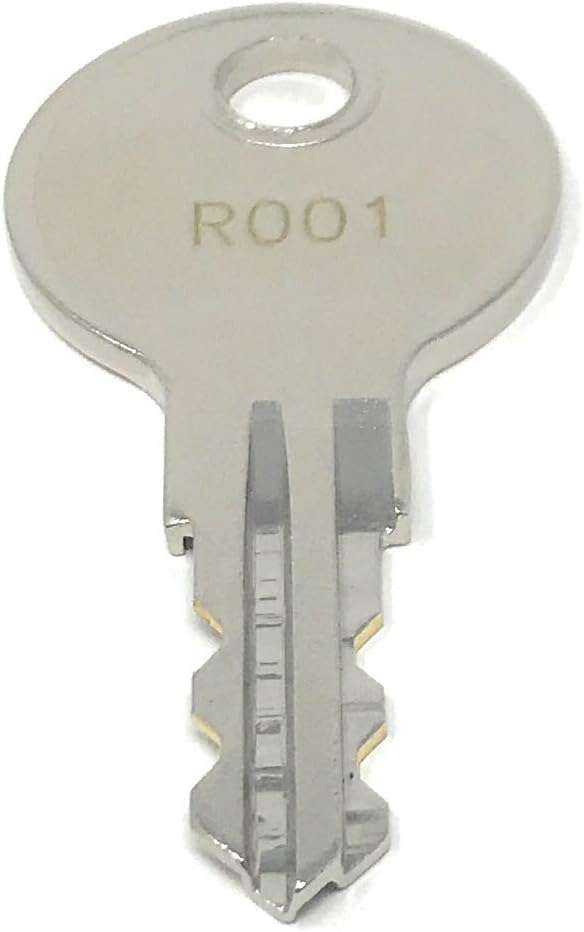
Aasonida
1 Pc of RV Southco Baggage/Compartment Door Key R001This is a Cut Key Ready to Use
See current price

National Hardware
National Hardware N265-371 V570 Continuous Hinge in Nickel,1-1/16" x 12"
See current price


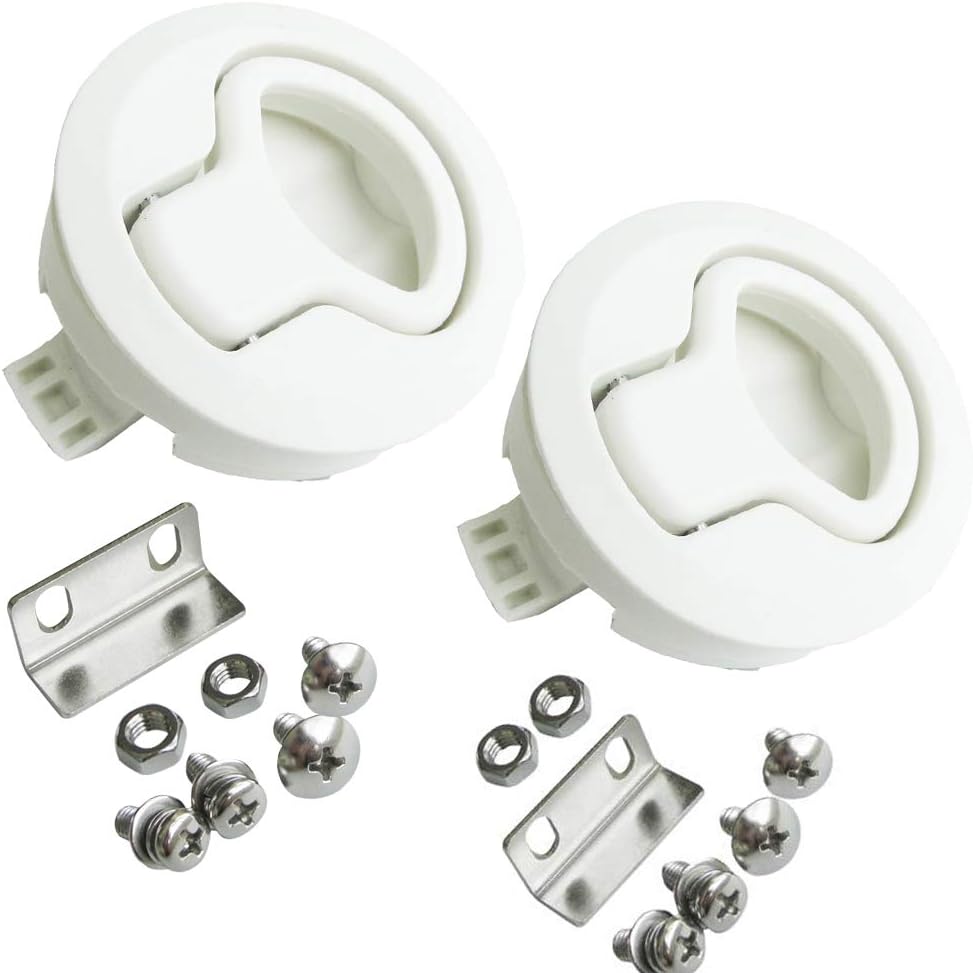
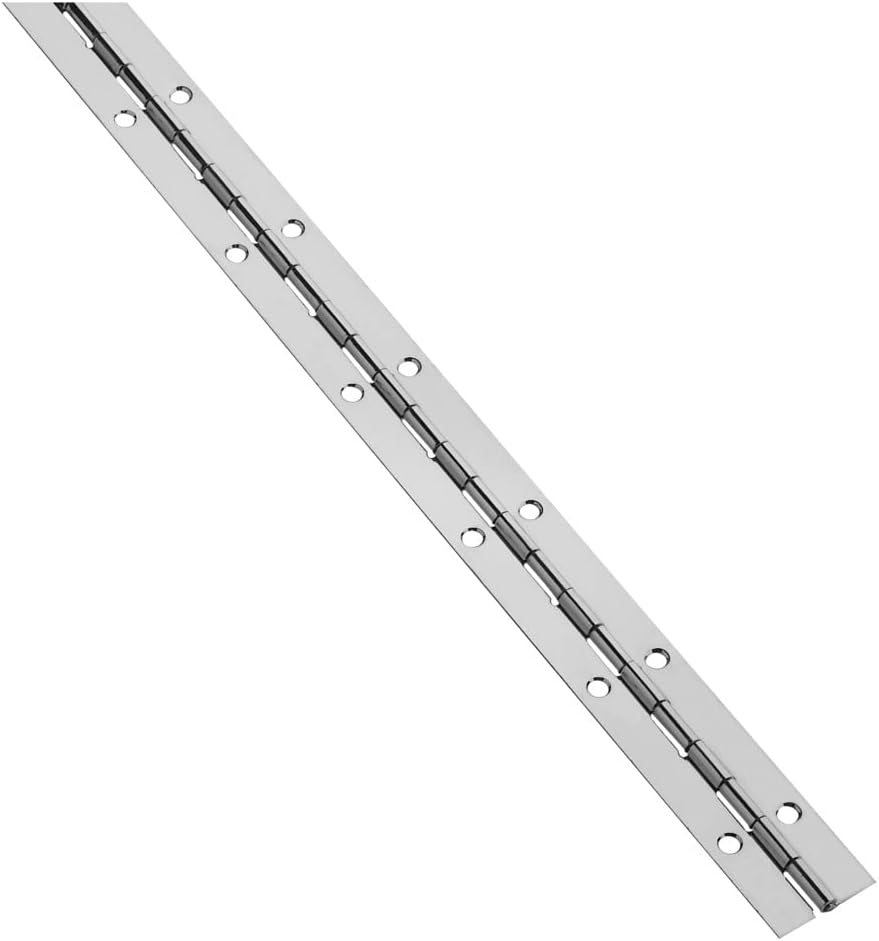
National Hardware
National Hardware N148-379 V570 Continuous Hinge in Nickel,1-1/16" x 48"
See current price

Popular brands in Hinges
Hinges provide controlled movement between two connected surfaces, from a small access panel to a heavy cabinet door or equipment enclosure. The right choice depends on more than size: mounting style, load requirements, environment, clearance, and the desired range of motion all affect compatibility.
This K-Catalog category helps shoppers compare hinge specifications and features before visiting Amazon to check current availability and purchase options. Hinges are part of the broader Industrial Hardware category, alongside hardware for fastening, supporting, protecting, and organizing assemblies.
How to choose an industrial hinge
Start by identifying the application and the surfaces being joined. A hinge for a frequently opened access door may need different construction from one used on a light-duty cabinet, storage box, or fixture.
Consider these questions before comparing individual products:
- What will the hinge support? Estimate the door, panel, or lid weight and account for items mounted to it.
- How will it attach? Check whether the design requires screws, bolts, welding, a concealed installation, or another mounting method.
- How much clearance is available? The hinge leaf, barrel, and knuckle can affect the gap between connected surfaces.
- What movement is needed? Some applications need a basic pivot, while others benefit from a removable pin, continuous support, or a controlled opening angle.
- What environment will it face? Moisture, dust, chemicals, heat, and outdoor exposure can influence material and finish selection.
Always compare the product drawing or listed dimensions with the assembly rather than relying only on a general hinge description.
Common hinge types and applications
Industrial hinges come in several forms, each suited to a different installation or operating requirement.
- Butt hinges are a familiar choice for doors, cabinets, and panels. They are often mortised or surface-mounted, depending on the design.
- Continuous hinges run along much of an edge and can distribute support across a long door or panel. They may also help maintain alignment during repeated use.
- Piano hinges are commonly associated with continuous construction and are useful where a long, uninterrupted hinge line is preferred.
- Lift-off hinges allow a door or panel to be removed without fully disassembling the hinge leaves, which can help with service access.
- Concealed hinges sit inside the assembly or behind the closed door. They can provide a cleaner exterior appearance when installation space permits.
- Offset and specialty hinges can help resolve clearance, alignment, or unusual mounting challenges. Review the intended orientation and movement carefully before selecting one.
If the project also needs adjacent hardware, compare Brackets, Braces & Joist Hangers, or Hooks for related support and hanging tasks.
Specifications and features to compare
Product listings can vary considerably in the details they provide, so focus on specifications that affect fit and operation. Look for the overall dimensions, leaf size, barrel or knuckle design, mounting-hole layout, and hinge thickness. For replacement work, matching the existing hole pattern may be more important than choosing a visually similar hinge.
Material and finish also matter. Steel may be appropriate where strength and rigidity are priorities, while stainless steel or corrosion-resistant finishes can be more suitable in damp or exposed settings. Brass, aluminum, and other materials may be selected for appearance, weight, or application-specific requirements. Confirm the finish is intended for the environment rather than treating color as the only consideration.
Other useful features include removable pins, non-removable pins, spring action, limited-angle movement, self-closing operation, and hardware included with the hinge. Verify whether fasteners are supplied and whether they match the mounting surface.
Brands represented in this category
Brands represented in the Hinges catalog include Small Parts, Southco, National Hardware, Aasonida, Stocker Hinge, Malco, WJSKDQ, Adiyer, KAFENDA, and Rockler. These listings may differ in construction, dimensions, finish, and intended use, so compare the specifications of each individual product instead of selecting by brand name alone.
For projects involving protective openings or panel access, Grommets may be useful for managing cables or protecting pass-through holes. Other nearby hardware categories include Chains and Biscuits & Plugs, depending on the assembly.
Installation and maintenance tips
Before installation, confirm the hinge orientation, swing direction, and required door gap. Support the door or panel during fastening so its weight does not pull the hinge out of alignment. If replacing an existing hinge, compare the old and new hole positions, leaf dimensions, and pin arrangement.
Use fasteners appropriate for the substrate and application. Avoid overtightening, which can distort thin panels or interfere with movement. After installation, open and close the assembly slowly to check for binding, uneven gaps, or contact with nearby components. Keep pivot areas clean, and use lubrication only when it is compatible with the hinge material and surrounding equipment.
Frequently asked questions
What is the best hinge for an industrial cabinet?
The suitable hinge depends on cabinet weight, door clearance, opening angle, environment, and whether the hinge should be visible or concealed. Compare dimensions and mounting requirements first.
Are continuous hinges stronger than standard hinges?
Continuous hinges distribute support along a longer edge, which can help with alignment and panel support. Suitability still depends on the hinge material, installation, and door or panel load.
Should I choose stainless steel hinges for outdoor use?
Stainless steel or a corrosion-resistant finish may be appropriate for moisture and outdoor exposure, but check the product material and finish specifications for the actual environment.
What should I measure when replacing a hinge?
Measure the leaf dimensions, thickness, overall length, hole spacing, pin arrangement, door gap, and available clearance. Matching the existing mounting pattern can simplify replacement.
Do industrial hinges include screws or bolts?
Some products include mounting hardware and others do not. Check the listing details and select fasteners that suit the hinge, substrate, and expected load.