

HVAC Equipment for Industrial Applications
Compare HVAC equipment for ventilation, air movement, heating, cooling, and related industrial applications. Review specifications and features to narrow options before checking current availability on Amazon.
20 products in catalog
20 results
Filters


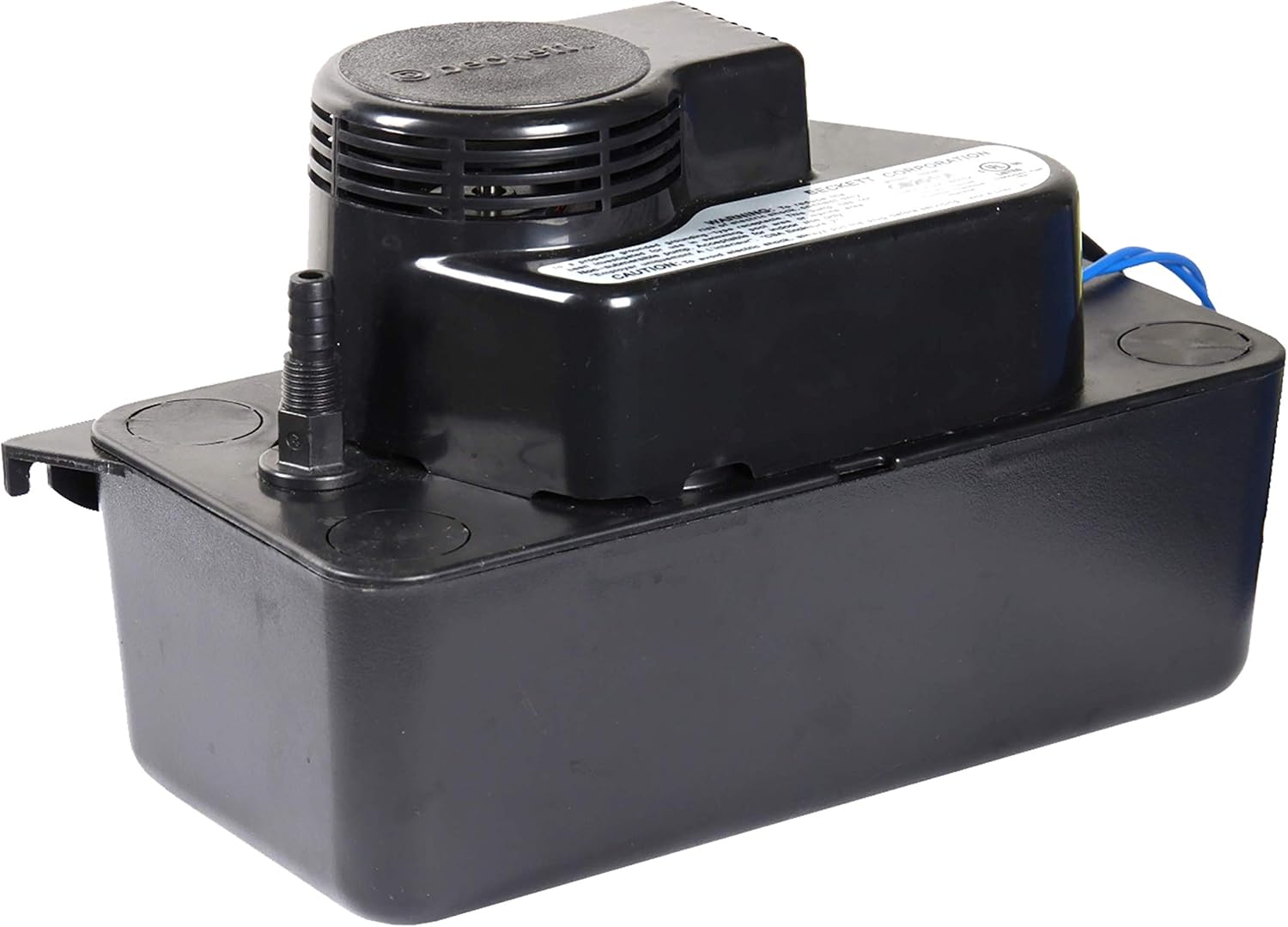
Beckett Corporation
Beckett Corporation CB201UL 115V Automatic Condensate Removal Pump, Black
See current price
Beckett Corporation
Beckett Corporation CB201UL 115V Automatic Condensate Removal Pump, Black
See current price
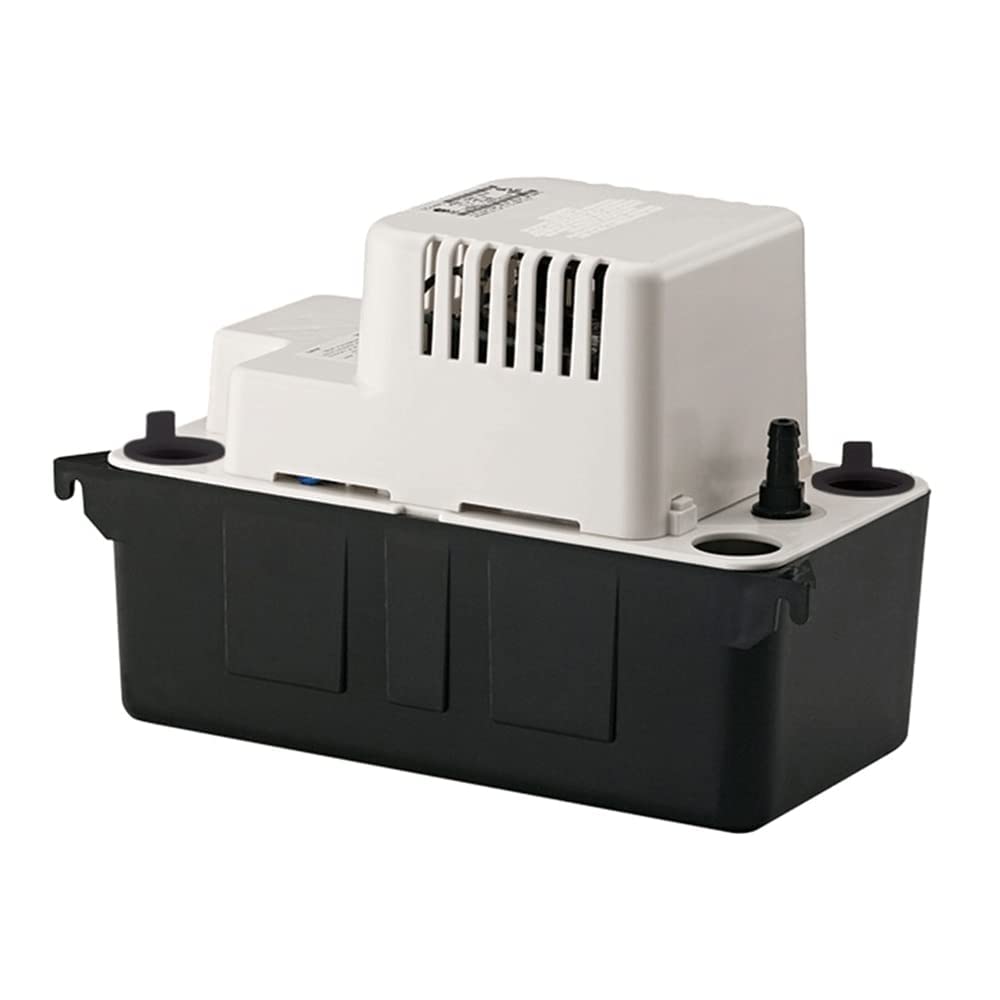
Little Giant
Little Giant 554405 Vcma-15 Series Condensate Pump, 7" Height, 5" Width, 11" Length, 115V
See current price

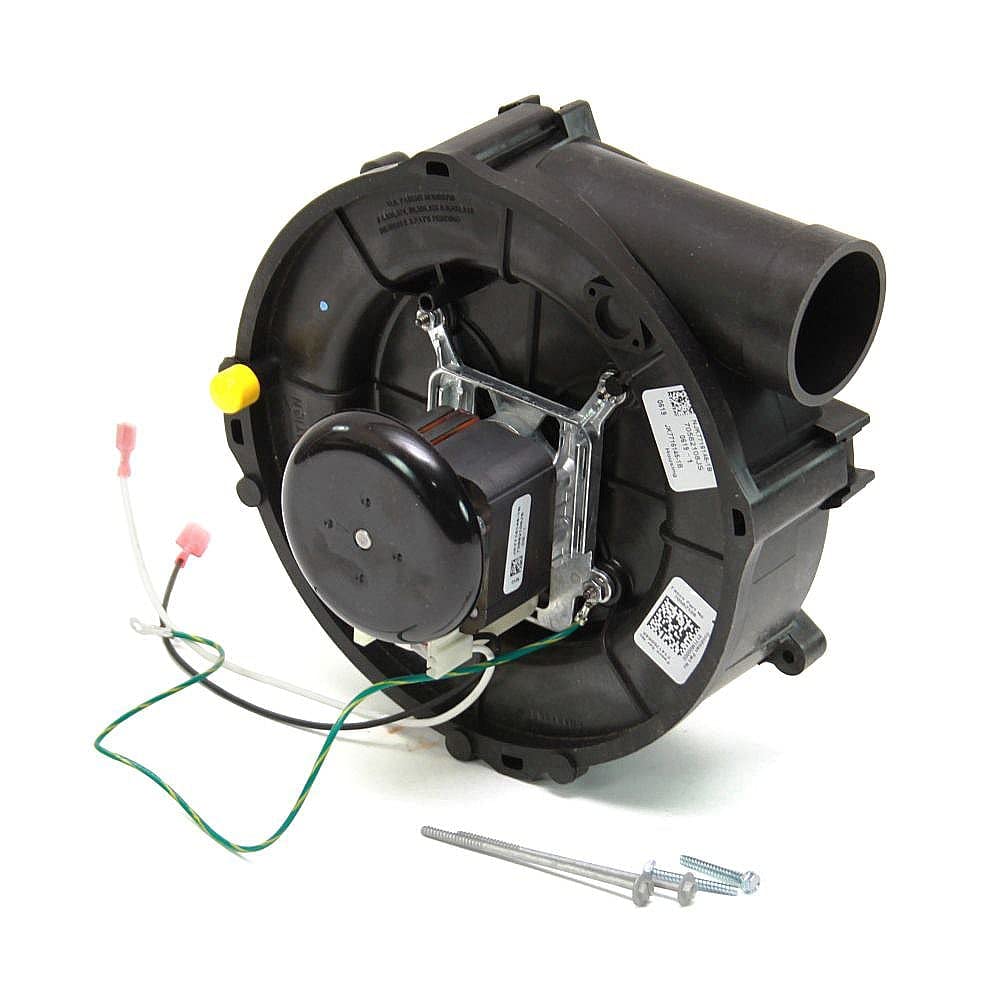

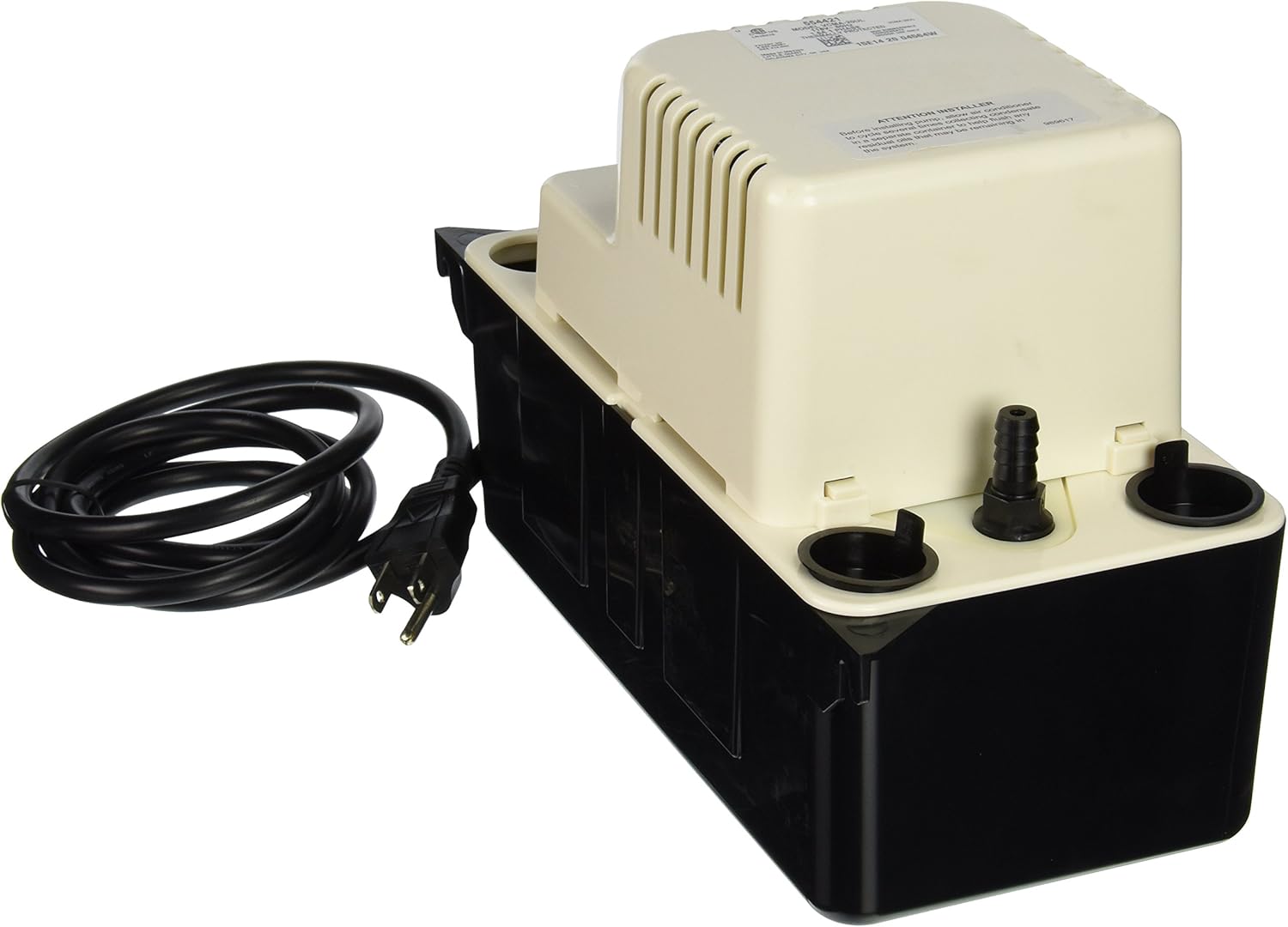
Little Giant Ladder Systems
Little Giant 554421 VCMA-20UL 115-volt Condensate Pump, 1-Pack
See current price

P Tech
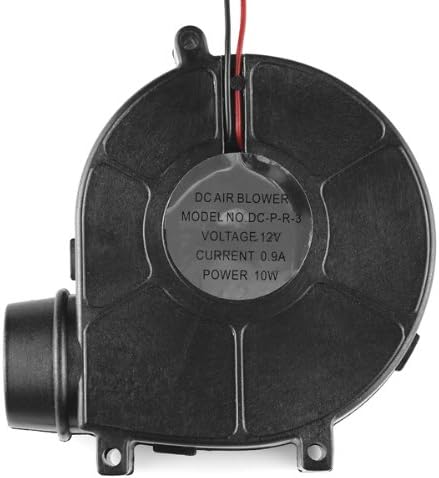
3.3 Inch Blower | Replaces: Dayton 1TDP7, 4C446, 6FHX8, 4C005 & Fasco A166, 7021-3469
See current price


DEALS US
DEALS US Black Steel 1/2x28 Thread Protector, 1/2x28 TPI Convert to 5/8x24 TPI with A Washer
See current price
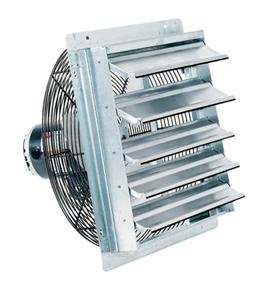
FANTECH
Fantech 2SHE0721 Axial Wall Shutter Fan, Direct Drive, 1/30 hp, 115V, 1 PH, TEFC, 7"
See current price
Popular brands in HVAC Equipment
HVAC equipment supports air movement, ventilation, temperature control, and facility maintenance across commercial, industrial, and workshop environments. The right choice depends on the job: moving air through a space, exhausting contaminants, circulating conditioned air, or supporting a heating or cooling system.
K-Catalog helps shoppers compare listed specifications and features in one place. Since HVAC products can vary substantially in purpose and installation requirements, start with the application, then confirm compatibility, capacity, controls, and operating conditions.
How to choose HVAC equipment
Begin by identifying what the equipment must accomplish. A ventilation component may need to exchange stale air, remove heat, or direct airflow through ductwork. A circulation or air-moving product may instead be intended to distribute conditioned air within a room or work area. Heating and cooling accessories can have different connection, control, and installation requirements.
Consider the environment as well. Indoor residential-style spaces, workshops, warehouses, mechanical rooms, and exposed service areas may call for different materials, mounting methods, protection, or maintenance access. If the equipment will operate continuously, electrical requirements and serviceability deserve particular attention.
For products being integrated into an existing system, identify the specifications of the current equipment before comparing replacements. Connections, duct dimensions, voltage, control method, and available installation space can determine whether an otherwise suitable product will work.
HVAC equipment types to compare
This catalog category may include equipment and accessories serving several HVAC functions rather than one single product type. When browsing, organize options by their intended role:
- Ventilation equipment: Used to introduce fresh air, exhaust unwanted air, or support air exchange. Check airflow information, duct connections, mounting style, and controls.
- Fans and air movers: Intended to circulate or direct air. Compare airflow, speed settings, noise information when provided, power requirements, and whether the unit is designed for portable or fixed installation.
- Heating and cooling components: These may support temperature control or connect with a broader HVAC system. Confirm capacity, fuel or power source, connection type, and compatibility with existing equipment.
- Condensate and service accessories: Auxiliary products can help manage drainage, installation, or routine system maintenance. Check dimensions, fittings, pump or drainage requirements, and access for cleaning.
For adjacent material-handling needs, shoppers can also browse Material Transport Equipment, Casters, or Pulling & Lifting when HVAC equipment must be moved or positioned during installation.
Specifications and features that matter
The most useful comparison points depend on the equipment type, but several details are broadly important:
- Airflow and performance: Look for the stated airflow, pressure, capacity, or operating range. Compare specifications measured under similar conditions rather than relying on appearance alone.
- Electrical requirements: Confirm voltage, frequency, amperage, plug or wiring arrangement, and whether a dedicated circuit or professional installation may be needed.
- Physical fit: Check overall dimensions, duct or pipe connections, mounting points, clearance requirements, and service access. Measure the installation area before ordering.
- Controls: Determine whether operation is manual, remote, thermostatic, variable-speed, or designed to connect with another control system.
- Construction and environment: Materials, housing design, corrosion resistance, and allowable operating conditions can be important in dusty, damp, hot, or industrial spaces.
- Maintenance: Look for removable covers, replaceable parts, accessible filters, drain requirements, and cleaning instructions where available.
Do not compare a product solely by motor power or physical size. System compatibility and the conditions under which the equipment will operate are often more important than a single headline specification.
Brands represented in the catalog
The HVAC Equipment catalog includes products from brands such as Little Giant, DAYTON, Beckett Corporation, P Tech, Goodman, FANTECH, Taco, IPower, Little Giant Ladder Systems, KEEPER, DEALS US, and Diversitech. Brand availability can span different equipment roles, so compare the specifications of the individual product rather than assuming all products from one brand serve the same application.
When a replacement is needed, confirm the original equipment’s manufacturer information, connection details, and required performance before choosing a listed alternative. For equipment used with lifting or load-control tasks, related Securing Straps and Drum & Pail Handling Equipment may be useful adjacent categories, but they should not be substituted for HVAC-specific installation equipment.
Installation and shopping tips
Read the manufacturer’s installation requirements and confirm that the location provides adequate clearance, ventilation, drainage, and electrical service. HVAC work may involve electrical connections, refrigerants, combustion, elevated mounting, or duct modifications; qualified professional assistance may be appropriate for those tasks.
Before selecting a product, write down the required connection sizes, available space, power supply, desired control method, and intended operating environment. Then compare those details against each listing’s specifications. If equipment will be transported or secured during a project, related options in Industrial Magnets should be evaluated only for their specific handling purpose, not as a replacement for approved HVAC mounting hardware.
Frequently asked questions
What should I check first when choosing HVAC equipment?
Start with the application and installation location. Then verify airflow or capacity, power requirements, dimensions, connections, controls, and operating environment.
Can any HVAC fan replace another fan?
No. Fans can differ in airflow, pressure capability, mounting, duct connections, power requirements, and control compatibility. Confirm all relevant specifications before selecting a replacement.
Why are physical dimensions important?
HVAC equipment needs adequate installation and service space. Dimensions also affect duct, pipe, wiring, mounting, and clearance compatibility.
Does HVAC equipment always require professional installation?
Not always, but electrical work, combustion systems, refrigerants, elevated installations, and major duct modifications may require qualified help. Follow the manufacturer’s instructions and local requirements.
How can I compare similar listings?
Create a short checklist of the required application, capacity or airflow, electrical details, dimensions, connections, controls, materials, and maintenance needs. Compare each listing against that checklist before shopping on Amazon.
What if the catalog does not show a specification I need?
Check the complete product details and manufacturer documentation before ordering. If a critical compatibility detail remains unclear, avoid assuming that the product will fit or perform as required.