
Wheels for Material Handling Equipment
Compare wheels for carts, dollies, hand trucks, and other material handling equipment by fit, load requirements, tread design, and operating environment.
14 products in catalog
14 results
Filters
Availability
Brand
Price



Lapp Wheels
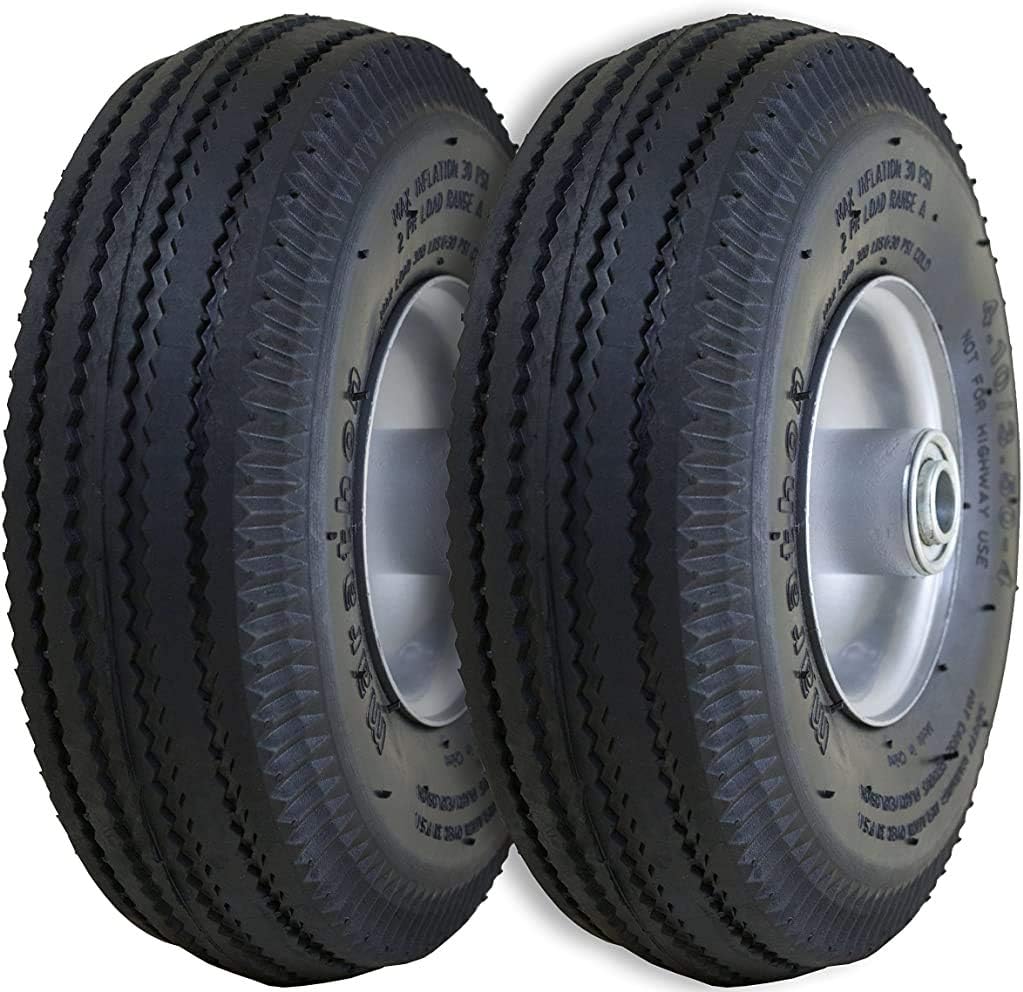
Pneumatic 4.10/3.50-4 Tire, Wagon/Utility cart/Hand truck Replacement, Gray, Set of two
See current price


UNIVERSAL FIT
Marathon Universal Fit Pneumatic (Air Filled) Hand Truck / All Purpose Utility Tire on Wheel with Adapter Kit Included
See current price


Magliner
Air Tire 10" x 3.5" Pneumatic Wheel For Magliner Hand Truck 121060 (2 Pack)
See current price


Popular brands in Wheels
Wheels are replacement or upgrade components that help material handling equipment move smoothly and safely. The right choice depends on more than diameter: axle fit, wheel width, tread material, load capacity, and the surfaces where the equipment will operate all affect compatibility and performance.
This K-Catalog selection brings together industrial wheels from brands including AR-PRO, RWM Casters, Lapp Wheels, ProSource, UNIVERSAL FIT, Easy Fit, Magliner, QWORK, and Rocky Mountain Radar. Compare the listed specifications and features, then check the current product details on Amazon before purchasing.
How to choose industrial wheels
Start by identifying the equipment and the wheel being replaced. A wheel designed for a hand truck may not fit a cart or other equipment, even when the outside diameter appears similar. Check the original wheel, equipment documentation, and the product listing for matching dimensions.
Important factors include:
- Wheel diameter and width: These affect clearance, rolling behavior, and how the wheel fits between forks or mounting points.
- Bore or axle opening: The center opening must accommodate the existing axle or mounting hardware.
- Overall fit: Compare hub length, bearing or bushing details, and any included hardware with the equipment’s requirements.
- Load requirements: Consider the total weight carried and how that weight is distributed across the wheels. Uneven floors, ramps, and frequent impacts can increase demands.
- Operating surface: Smooth indoor floors, rough concrete, thresholds, and outdoor surfaces may call for different tread designs and materials.
- Use conditions: Moisture, dirt, debris, chemicals, temperature, and frequency of use can influence the appropriate wheel construction.
Wheels and casters: what is the difference?
A wheel is the rolling component itself. A caster is an assembly that commonly includes a wheel, a frame, and a mounting arrangement; some casters also swivel or include a brake. If the existing frame and mounting hardware are still suitable, replacing only the wheel can be a practical way to restore equipment. If the complete assembly is damaged or the equipment needs a different mounting style, compare the options in Casters as well.
For broader equipment searches, Material Transport Equipment may help when the goal is to compare complete moving solutions rather than individual replacement wheels. The parent Material Handling Products category provides additional related equipment.
Key specifications and features to compare
Tread and wheel material
The tread influences rolling feel, floor interaction, noise, and resistance to wear. Softer or more compliant tread designs may be useful where floor protection and quieter movement matter, while harder materials may suit demanding loads or surfaces. Always use the manufacturer’s stated application guidance rather than choosing by material name alone.
Bearings, bushings, and hubs
Bearings can affect rolling resistance and service requirements, while bushings may offer a simpler fit for certain applications. Compare the hub construction, axle compatibility, and whether the required hardware is included. A wheel that has the correct diameter but an incompatible hub will not be a suitable replacement.
Fixed and swiveling applications
Replacement wheels are often used in fixed or swiveling equipment assemblies. Determine whether the wheel must track straight, turn with a swivel assembly, or work alongside other wheel types. For equipment that must remain stationary during loading, review the full caster or brake arrangement instead of relying on the wheel alone.
Related material handling equipment
The right wheel is only one part of a safe moving setup. Pulling & Lifting can be relevant when loads must be raised or repositioned, while Securing Straps may help stabilize items during transport. For specialized handling tasks, browse Drum & Pail Handling Equipment or Industrial Magnets.
When comparing products, pay close attention to the intended equipment type, dimensions, installation requirements, and operating environment. Product photos can help with general identification, but the specification fields should determine whether a wheel is a true match.
Brands in the catalog
The Wheels catalog includes products associated with AR-PRO, RWM Casters, Lapp Wheels, ProSource, UNIVERSAL FIT, Easy Fit, Magliner, QWORK, and Rocky Mountain Radar. Brand names can help narrow a search when replacing an existing component, but dimensions and compatibility details remain the most important criteria.
Frequently asked questions
How do I know which wheel size I need?
Measure the existing wheel’s diameter and width, then verify the bore, hub length, and axle requirements. Also check available clearance on the equipment.
Are wheels and casters interchangeable terms?
No. A wheel is the rolling component, while a caster is a larger assembly that may include a wheel, frame, swivel mechanism, and brake. Confirm which part needs replacement.
How many wheels are needed for an equipment replacement?
That depends on the equipment design and which components are worn or damaged. Inspect every wheel and follow the equipment manufacturer’s replacement guidance.
Does a larger wheel always move a heavier load better?
Not necessarily. Load capacity depends on the complete wheel design, tread, axle, mounting arrangement, and operating conditions. Compare the stated specifications rather than diameter alone.
What should I check before installing a replacement wheel?
Confirm the dimensions, axle or bolt fit, hub details, clearance, and load suitability. After installation, check that the wheel rotates freely and that the equipment remains stable during use.