
Occupational & Physical Therapy Aids
Compare occupational and physical therapy aids by intended use, fit, adjustability, and ease of handling. Review product specifications to find options suited to therapy routines and daily activities.
950 products in catalog
950 results
Filters



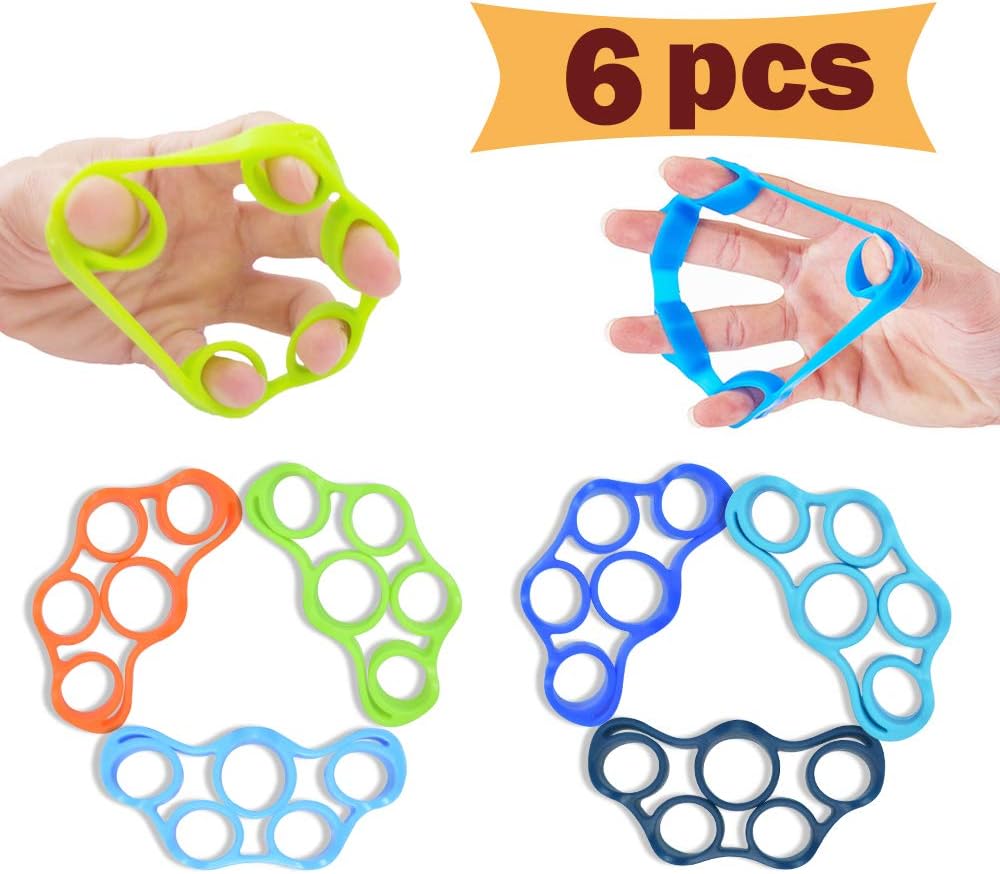


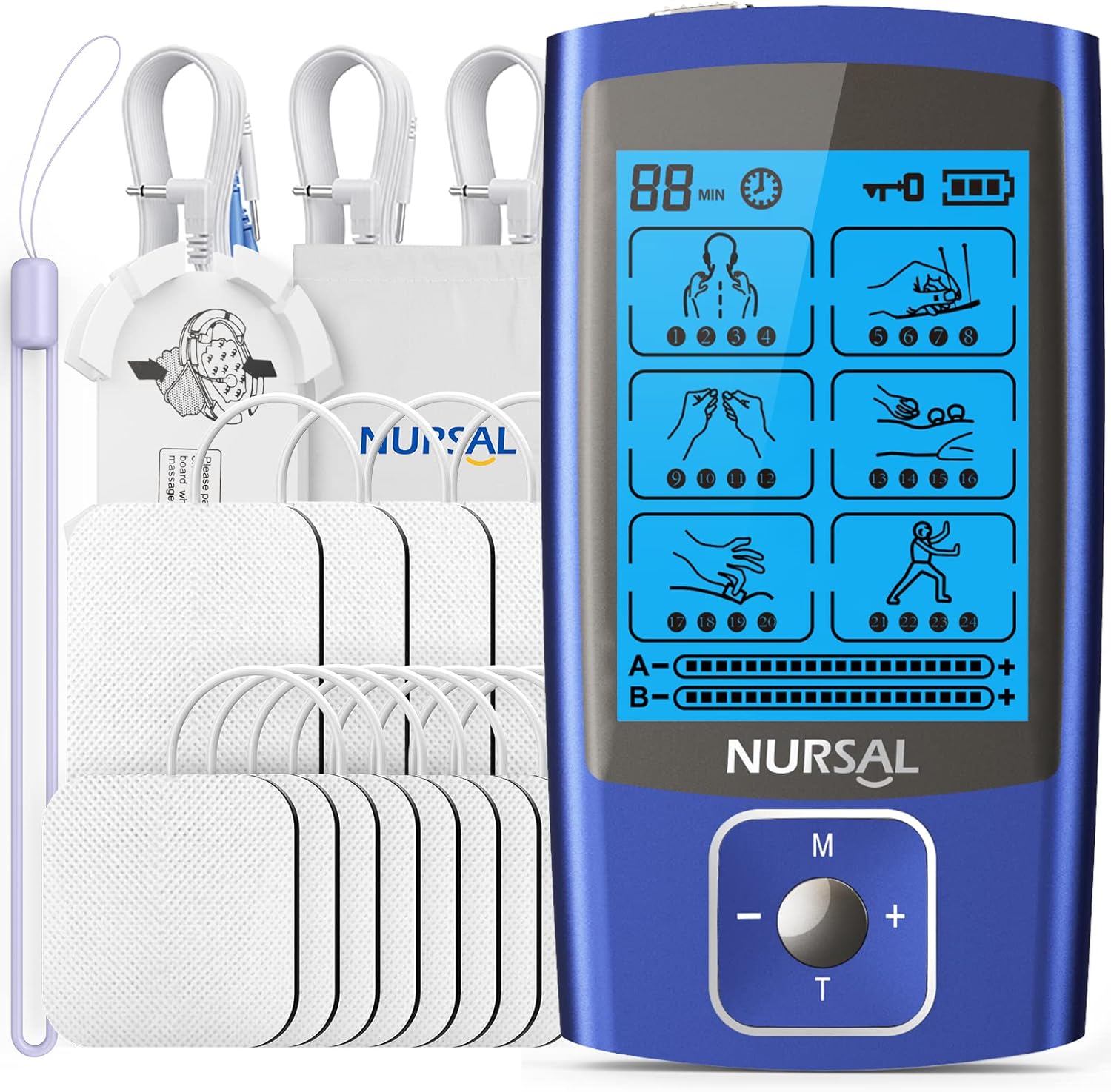
![Tens Unit Plus 24 Rechargeable Electronic Pulse Massager Machine Multi Mode Device with All Accessories [New Model]](https://m.media-amazon.com/images/I/81ZTovopS7L._AC_SL1500_.jpg)
TechCare Massager
Tens Unit Plus 24 Rechargeable Electronic Pulse Massager Machine Multi Mode Device with All Accessories [New Model]
See current price







BOSS FITNESS PRODUCTS
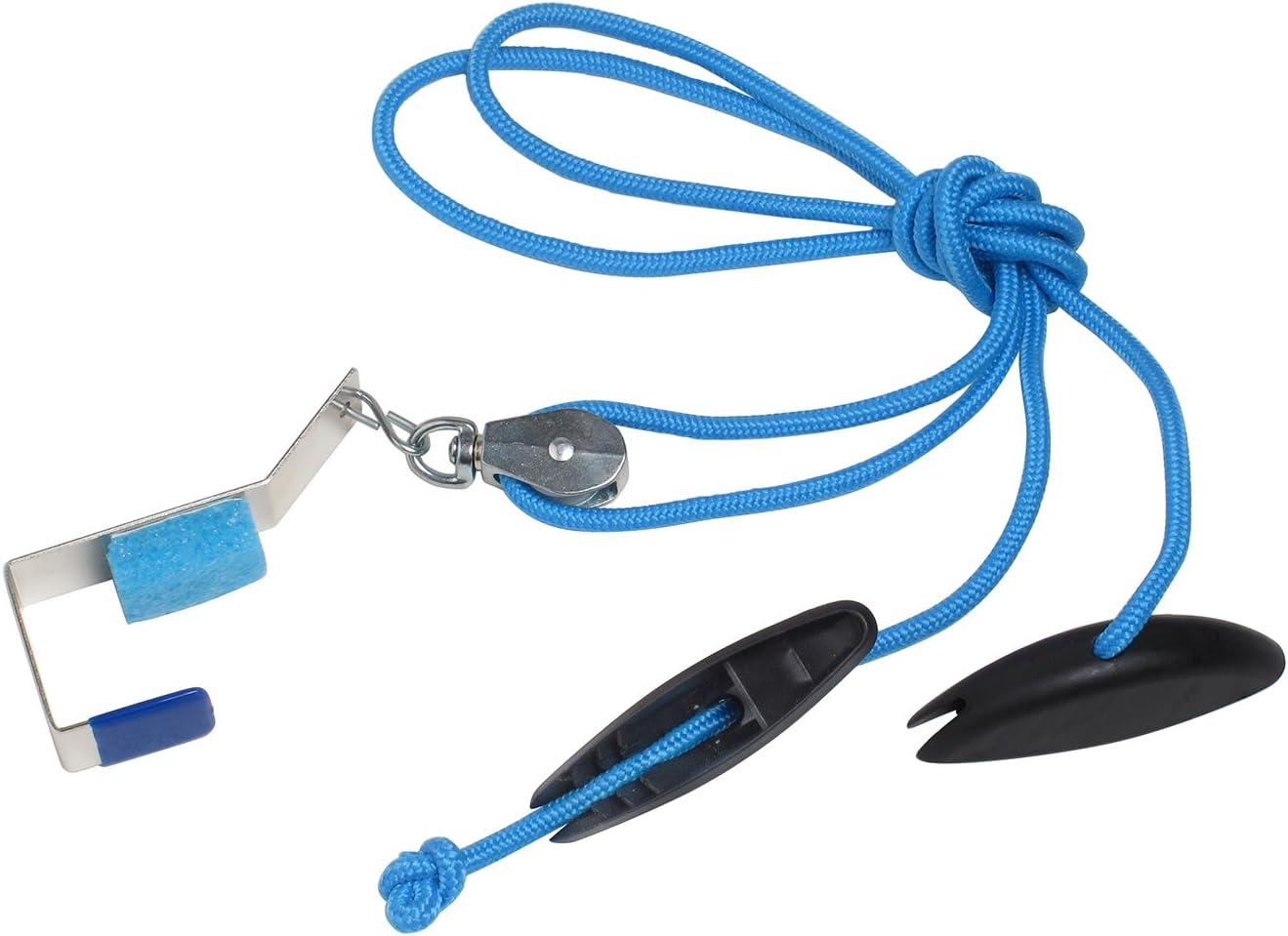
BOSS FITNESS PRODUCTS - Extra Large Heavy Duty Door Anchor - Great for Resistance Bands, Physical Therapy Bands, and Closed Loop Bands
See current price
Popular brands in Occupational & Physical Therapy Aids
Occupational and physical therapy aids can support guided exercises, movement practice, positioning, grip activities, and everyday tasks. The right product depends on the activity, the user’s abilities, and whether the aid is intended for home practice, a clinical setting, or both.
K-Catalog helps shoppers compare specifications and features across this category before visiting Amazon to check current availability and make a purchase decision. For broader medical equipment browsing, explore Medical Supplies & Equipment.
How to choose therapy aids
Start with the intended task rather than a product name. An aid for hand exercise may need a different shape, resistance level, or grip surface than equipment used for posture, stretching, balance, or electrical stimulation. If a therapist has provided instructions, use those recommendations as the starting point.
Consider these questions while comparing products:
- What movement, body area, or daily activity is the aid designed to support?
- Is the product appropriate for the user’s current strength, mobility, coordination, and range of motion?
- Can the user set it up, hold it, adjust it, and store it without assistance?
- Does the design work in the available space and fit the intended routine?
- Are the materials and cleaning instructions suitable for repeated use?
A product that is simple to adjust and comfortable to handle may be easier to use consistently. However, suitability should take priority over convenience, especially when an aid affects positioning, resistance, or electrical stimulation.
Common types and related equipment
This category can include aids for therapeutic exercise, hand and finger activity, stretching, posture, positioning, grip development, and other rehabilitation-related routines. Product pages may differ substantially in design, so compare the stated purpose and specifications rather than relying on appearance alone.
Some shoppers may also need equipment from adjacent categories. Braces, Splints & Supports may be relevant when stabilization or support is part of a care plan. Mobility & Daily Living Aids is useful for products intended to assist with everyday movement and independence. For monitoring-related equipment, browse Health Monitors.
These categories are related but not interchangeable. A support product, mobility aid, monitoring device, and therapy tool each serve a different purpose, so confirm that the product’s stated use matches the recommendation or activity being planned.
Features and specifications to compare
The most useful specifications vary by aid type, but several details deserve close attention:
- Dimensions and fit: Check measurements, usable surface area, handle size, and any stated body or hand-size guidance.
- Adjustability: Look for adjustable resistance, positioning, height, tension, or intensity when the routine may change over time.
- Materials: Consider whether the surface is soft, firm, textured, flexible, or easy to wipe clean.
- Portability: Weight, folding or compact storage, and included storage features may matter for home use or travel.
- Power requirements: For electronic products, review the power source, controls, charging method, and included components.
- Instructions: Clear setup, operating, and care information can make a product easier to use correctly.
Do not assume that a higher resistance or more complex design is automatically more suitable. The appropriate level depends on the user and the intended exercise or activity. Product specifications should be checked against professional guidance where applicable.
Brands represented in the catalog
Brands well represented in this catalog include Humactive, Discount TENS, AUVON, Special Supplies, ARK Therapeutic, Sanho Yopo, Posture Pump, Cozyhealth, Belifu, Prestige Medical, Easy@Home, and Ohuhu. They cover a range of therapy-related product styles and features, but brand presence is not an endorsement. Compare each individual product’s specifications, intended use, included accessories, and care information.
Safe and practical use
Use therapy aids according to the product instructions and any directions from a qualified healthcare professional. Stop using an item if it causes unexpected pain, skin irritation, numbness, dizziness, or other concerning symptoms, and seek appropriate medical advice.
For products that contact the skin, check cleaning and hygiene instructions before sharing or using them repeatedly. For electrical devices, inspect cables, pads, controls, and power components before use, and follow the manufacturer’s guidance about placement and operation. Keep small parts, cords, and exercise accessories away from children when appropriate.
If a product is intended to address a specific injury, condition, or recovery plan, confirm compatibility with the treating professional before purchase. Related options such as Medical Compression Garments may have different fitting and use requirements and should not be substituted without guidance.
Frequently asked questions
What are occupational and physical therapy aids?
They are products designed to support therapeutic exercises, movement practice, positioning, functional tasks, or related rehabilitation routines. The appropriate choice depends on the user and intended activity.
How do occupational therapy aids differ from physical therapy aids?
Occupational therapy aids often relate to hand function, coordination, self-care, and everyday activities, while physical therapy aids commonly support movement, strength, flexibility, balance, or mobility. Some products can overlap both areas.
Should a therapist recommend the product?
Professional guidance is especially useful when the aid involves resistance, positioning, electrical stimulation, pain, injury recovery, or a diagnosed condition. Follow the care plan and product instructions.
What should I check for home use?
Review the product’s dimensions, storage needs, setup process, cleaning instructions, adjustment range, and whether the user can operate it safely without assistance.
Are related medical products interchangeable?
No. Braces, mobility aids, monitors, compression garments, and therapy tools are designed for different purposes. Confirm the product’s intended use and compatibility before choosing it.
Where can I compare more health-related equipment?
Browse related catalog sections for Home Tests and other medical supplies, then compare the specifications and features that match the intended task.