
Great Lakes Cheese Inc.
Amazon Brand - Happy Belly Shredded 4 Cheese Mexican Blend Cheese, 16 Oz
See current price

Compare plant-based cheese options by format, ingredients, texture, melting performance, and dietary needs. Use the catalog to narrow down products for snacks, sandwiches, cooking, and entertaining.
61 products in catalog
61 results
Great Lakes Cheese Inc.
See current price
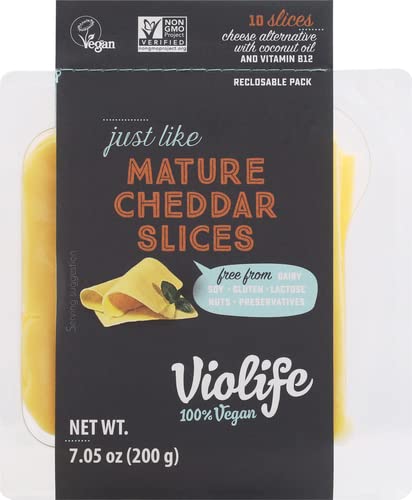


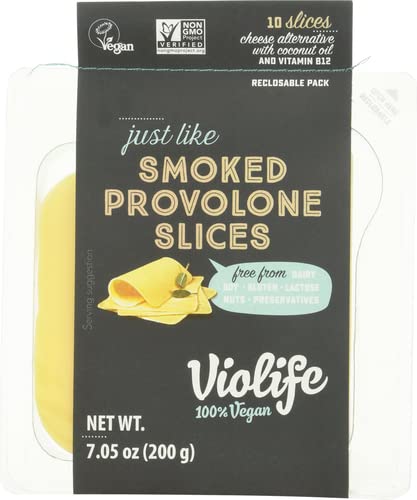
Upfield US, Inc
See current price


365 By Whole Foods Market
See current price


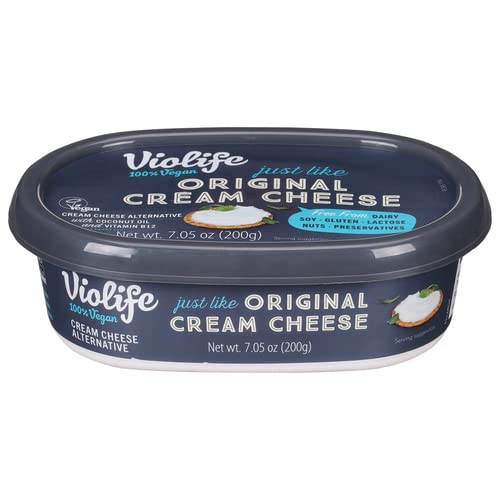

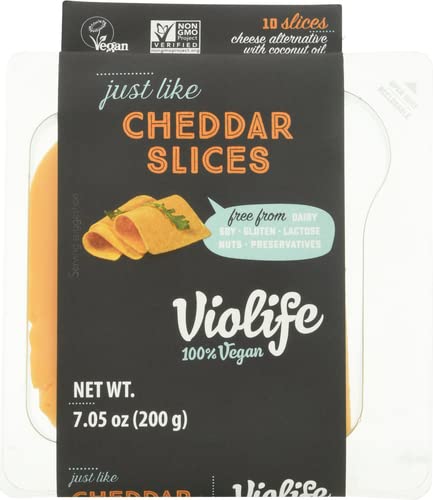
Upfield US, Inc
See current price

Kite Hill
See current price



MIYOKO’S CREAMERY
See current price


365 By Whole Foods Market
See current price


365 By Whole Foods Market
See current price
Plant-based cheese is available in styles designed for slicing, spreading, shredding, crumbling, melting, and snacking. The right option depends on how you plan to use it, the texture you prefer, and which ingredients or dietary requirements matter to your household.
K-Catalog helps shoppers compare listed specifications and features before visiting Amazon to check the current price and purchase details. For a broader view of dairy and non-dairy alternatives, browse the Dairy, Eggs & Plant-Based Alternatives category.
Start with the intended use. A soft spread may work well on toast or crackers, while slices are convenient for sandwiches and burgers. Shredded products are suited to pizza, casseroles, and other cooked dishes, but melting results can vary by formula. Blocks or wedges may be useful when you want to cut, grate, or serve the cheese in a particular way.
Check the product description for its stated style and recommended uses. If you are replacing a specific dairy cheese, compare texture and flavor expectations rather than choosing by name alone. Plant-based products can differ substantially in firmness, creaminess, stretch, and browning.
Although this catalog does not divide the category into formal subcategories, shoppers can compare products by format:
For familiar dairy cheese styles, the Cheese category can provide a useful comparison point. Shoppers looking for other non-dairy staples may also want to browse Dairy & Plant-Based Yogurt.
Read the ingredient list and allergen information carefully, especially when shopping for a specific dietary need. Plant-based cheese may use ingredients such as nuts, coconut, soy, legumes, starches, oils, or other plant-derived components. A product being plant-based does not automatically make it suitable for every allergy or eating plan.
Compare the package or listing for details such as:
If you are also comparing beverages or cooking ingredients, related catalog pages include Plant-Based Milk and Plant-Based Coffee Creamers.
Texture is one of the most important differences between plant-based cheese products. Consider whether you want a firm slice, a spreadable consistency, a crumbly finish, or a melt that becomes smooth and cohesive. Product descriptions may indicate intended applications, but cooking results can depend on the recipe, heat level, moisture, and preparation method.
For cooked dishes, compare whether the product is sold as slices, shreds, or a sauce-style option. For cold serving, focus more closely on firmness, spreadability, and how the product is meant to be served. Follow the listed storage guidance and check the package for handling instructions after opening.
The catalog includes products from MIYOKO’S CREAMERY, Daiya, 365 By Whole Foods Market, Follow Your Heart, Upfield US, Inc, Parma, VIOlife, UNFI- New York (AmazonFresh), Good Planet Foods, Field Roast, UPrise Foods, and Kite Hill. Comparing listings across these brands can help shoppers identify differences in format, ingredients, intended use, and dietary labeling without treating any brand as an endorsement.
When a product is intended for a complete recipe, consider comparing it with the other ingredients you need. The related Milk & Cream and Eggs & Egg Substitutes categories may be useful when planning a dairy-free or plant-forward meal.
Many plant-based cheese products are made as dairy alternatives, but labeling and manufacturing practices can differ. Check the ingredient list and allergen statement for the specific product.
Choose a format and product description that identify melting or cooking as an intended use. Results vary by ingredients, moisture, heat, and recipe, so compare the listed features carefully.
Slices are ready for sandwiches and layered dishes, shreds are convenient for toppings and recipes, and spreads are designed for softer applications such as crackers, toast, and dips.
Yes. Depending on the formula, products may contain or be made with ingredients such as nuts or soy. Review allergen information before buying, particularly for a household with food allergies.
Use the storage instructions provided on the product listing and package. Refrigeration is common, but handling requirements can vary by format and product.