

Ramps for Material Handling and Access
Compare ramps for loading, moving, and access applications by capacity, dimensions, surface design, portability, and compatibility with your equipment.
9 products in catalog
9 results
Filters
Availability
Price

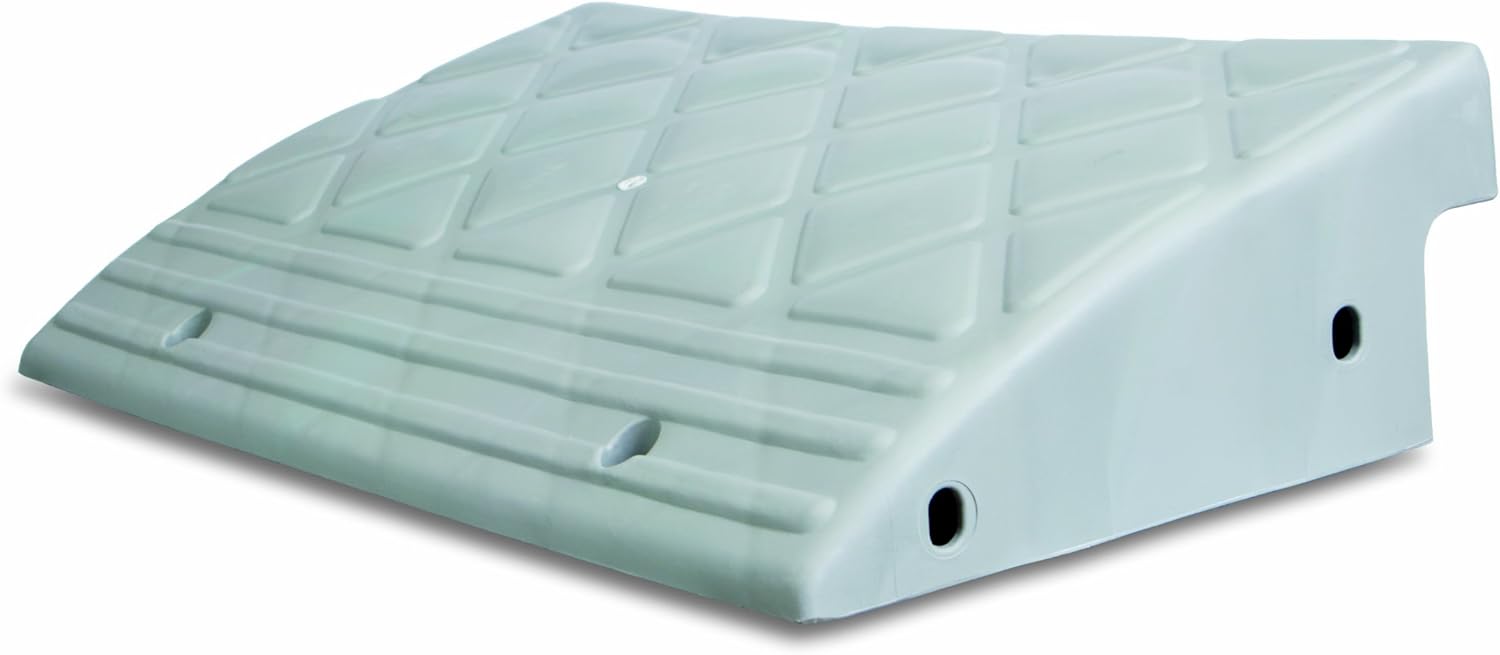
Electriduct
Electriduct 4.3" Lite Duty Rubber Curb Ramp 10,000 lbs Weight Capacity (5 Tons) (2-Pack)
See current price


Popular brands in Ramps
Ramps provide a practical way to move wheeled equipment, vehicles, carts, and other loads across changes in height. The right choice depends on more than length alone: intended load, available space, surface conditions, and how often the ramp will be moved all affect suitability.
This K-Catalog selection covers ramps within Material Handling Products. Use the available product details to compare construction, dimensions, capacity information, and handling features before visiting Amazon to check the current options.
How to choose a ramp
Start by identifying the task and the equipment that will travel over the ramp. A ramp for a hand truck may have different requirements from one used with powered equipment, mobility devices, or a vehicle. Consider:
- Load capacity: Check the stated capacity and compare it with the combined weight of the equipment, operator, and cargo where applicable. Leave an appropriate safety margin rather than choosing a ramp that only meets the expected load.
- Rise and length: The height to be crossed affects the usable slope. A longer ramp can provide a gentler incline, but it also needs more storage and setup space.
- Width and wheel placement: Confirm that the clear width accommodates the wheels, tracks, or contact points of the equipment. Pay attention to raised edges, which may improve guidance but reduce usable width.
- Environment: Indoor warehouse floors, outdoor pavement, thresholds, loading areas, and uneven ground may call for different surfaces and support arrangements.
- Storage and transport: Folding, telescoping, or lightweight designs can be useful when the ramp is regularly carried or stored between uses.
Common ramp applications
Although this category has no listed subcategories, ramps can be compared by their intended use and construction. Portable loading ramps are useful when equipment must cross a step, vehicle lip, or loading edge and the ramp needs to be positioned as needed. Threshold ramps are designed for smaller height changes, such as doorways or floor transitions.
Vehicle and equipment ramps may use a wider platform or paired tracks, depending on what must pass over them. Solid ramps can provide a continuous surface, while open or channel-style designs may reduce material and allow water or debris to pass through. Select the format that matches the wheel or track pattern of the equipment rather than relying on appearance alone.
For broader handling needs, compare ramps alongside Material Transport Equipment. If the task also involves moving drums or pails, Drum & Pail Handling Equipment may be a more suitable category to review.
Key features and specifications to compare
Product listings may differ substantially in the details that determine day-to-day use. Check the following specifications carefully:
- Material and construction: Aluminum is commonly selected when lower carrying weight matters, while steel construction may suit applications where a heavier, more rigid structure is preferred. Verify the actual material and finish listed for each product.
- Surface traction: Look for a tread pattern, perforated surface, textured coating, or other traction feature appropriate to the working environment. A surface that performs well when dry may need additional care in wet or dirty conditions.
- End supports and attachment: Examine how the upper end rests against a vehicle, platform, or threshold. Lip styles, support feet, transition plates, and attachment points can affect stability and compatibility.
- Portability: Handles, folding sections, telescoping parts, and a manageable carrying weight can make setup easier. Confirm the stored dimensions if the ramp must fit in a vehicle or compact storage area.
- Capacity and dimensions: Compare rated capacity, overall length, usable width, thickness, and any platform or track spacing. Make sure the listed rating applies to the way the ramp will actually be used.
Stability, setup, and safe use
Place the ramp on a firm, level base whenever possible and confirm that both ends are properly supported before loading. Avoid using a ramp on a surface that can shift, sink, or become slippery. If the product includes pins, straps, brackets, or another securing method, use them according to the manufacturer’s instructions.
Inspect the ramp before each use for bent sections, loose hardware, damaged traction surfaces, corrosion, or other changes that could affect strength. Keep the travel path clear and move loads at a controlled speed. Do not exceed the stated capacity, and check whether the manufacturer provides separate guidance for powered equipment, two-person carrying, or specific vehicle types.
Ramps are only one part of a material-handling setup. Securing Straps can be relevant when equipment must be restrained during transport, while Casters may help when selecting or upgrading mobile equipment. For lifting or repositioning tasks, compare the options in Pulling & Lifting as well.
Brands represented in the catalog
The catalog includes ramps from HOMCOM, Hopkins, Vestil, Maxsa Innovations, BISupply, Stalwart, Street Solutions UK, and Electriduct. These brands are represented across the available selection; compare each product on its own specifications, intended application, construction, and setup requirements rather than choosing by brand name alone.
Frequently asked questions
How do I determine the ramp length I need?
Measure the vertical rise and review the manufacturer’s guidance for the intended equipment and load. A longer ramp generally creates a gentler incline, but requires more available floor or ground space.
What ramp capacity should I choose?
Use the combined weight of the equipment, operator, and cargo when relevant, then compare it with the product’s stated capacity. Choose a suitable margin and follow any separate restrictions for wheels, tracks, or loading method.
Is a folding ramp better than a solid ramp?
A folding ramp can simplify carrying and storage, while a solid design may suit users who prioritize a continuous surface and frequent setup in one location. Compare the folded size, hinges, locking features, and capacity.
Can any ramp be used outdoors?
Not necessarily. Check the listed materials, finish, traction surface, and instructions for outdoor exposure. Conditions such as rain, mud, ice, and uneven ground can change how safely a ramp performs.
How can I improve ramp stability?
Use a firm, level base, support both ends correctly, and engage any supplied attachment or locking features. Keep the ramp aligned with the equipment and inspect it before use.