

Small Animal Grooming Supplies
Compare grooming supplies for rabbits, guinea pigs, hamsters, and other small pets. Review tool types, materials, comfort features, and care needs before choosing products.
23 products in catalog
23 results
Filters





Marshall Pet Products
Marshall Pet Products Natural pH Balanced, Tearless Baby Safe Original Aloe Vera Ferret Deodorizing Shampoo with Eucalyptus and Safflower Oil, 8 oz
See current price


Popular brands in Grooming
Grooming can help keep a small animal’s coat, nails, and skin in good condition while providing an opportunity to check for changes that may need attention. The right supplies depend on the animal’s species, coat type, temperament, and grooming routine.
K-Catalog helps shoppers compare product specifications and features across small animal grooming supplies. Product pages can be checked for compatibility, materials, dimensions, and instructions before visiting Amazon to see the current availability and price.
How to choose grooming supplies
Start with the type of grooming your pet actually needs. Short-haired animals may need only occasional brushing and nail care, while long-haired or dense-coated animals may require more frequent coat maintenance. A product designed for dogs or cats is not automatically suitable for a smaller pet, so check the intended animal and usage guidance.
Consider your pet’s size and behavior as well. Compact tools can be easier to control around a small body, while smooth edges and comfortable handles may make grooming less stressful for both pet and owner. If your animal is nervous, choose a simple tool that allows short, gentle sessions rather than trying to complete every task at once.
Types of grooming products to compare
Small animal grooming products can serve several different purposes:
- Brushes and combs: Useful for removing loose fur, separating the coat, and helping identify tangles or debris. Compare tooth spacing, bristle softness, and whether the tool is intended for short or longer coats.
- Nail-care tools: Clippers, trimmers, and filing tools vary in size and operating style. Look for a design that gives a clear view of the nail and allows controlled trimming.
- Grooming kits: Kits may combine multiple tools for coat and nail care. Check exactly what is included rather than assuming a set covers every grooming task.
- Electric grooming tools: Powered trimmers or grinders may be useful in some situations, but noise and vibration can concern small animals. Review operating instructions and consider whether your pet is likely to tolerate the tool.
- Cleaning and maintenance accessories: Some grooming tools include features intended to make hair removal, storage, or cleaning easier. These details can matter when a tool is used regularly.
Features and specifications that matter
Pay attention to the materials that contact your pet. Bristles, teeth, blades, and filing surfaces should be appropriate for the animal and used gently. Smooth construction and easy-to-clean surfaces can support more hygienic storage between grooming sessions.
Dimensions are also important. A tool that is too large may be difficult to maneuver, while one that is too small may make grooming take longer. Compare the product dimensions, handle design, grip, and weight when those details are provided.
For powered products, check the power source, controls, operating instructions, and noise-related information. For clippers and trimmers, examine blade or attachment details and confirm whether replacement parts or cleaning steps are specified. Always follow the manufacturer’s directions, particularly when using any cutting or powered tool.
Brands in the K-Catalog collection
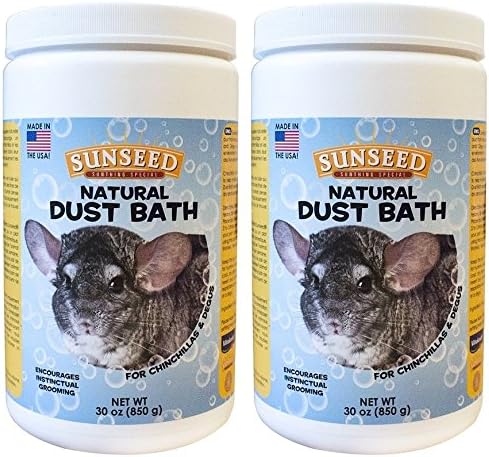
Brands represented in this catalog include Crafterlife, Poodle Pet, KALAMANDA, Dremel, VCZONE, Petpost, Sunseed, ROMP, SunGrow, Marshall Pet Products, Rosewood Pet, and Marshall. These brands may offer different approaches to brushes, nail care, grooming kits, or related accessories, so compare the individual product specifications instead of choosing by brand name alone.
Grooming and small-pet care tips
Keep grooming sessions calm and brief, especially when introducing a new brush, clipper, or trimmer. Let the animal inspect the tool before using it, and stop if the pet shows signs of distress. Avoid pulling through mats or forcing a tool through a tangled coat; severe matting or skin concerns may require professional veterinary or grooming advice.
Nail trimming requires particular care because cutting too far can cause pain and bleeding. If the nail structure is difficult to see, ask a veterinarian or experienced professional to demonstrate the correct technique. Grooming tools should be cleaned according to their instructions and stored where they will not become contaminated or damaged.
Grooming is only one part of a suitable small-animal environment. Browse Houses & Habitats for habitat-related supplies, or compare Toys and Exercise Wheels for enrichment and activity options. Food, Feeding & Watering Supplies, and Treats cover other routine care needs.
Frequently asked questions
How often should a small animal be groomed?
The ideal schedule depends on species, coat type, age, health, and cleanliness. Follow the animal’s care needs and groom more often when loose fur, tangles, or debris become noticeable.
Can one grooming tool be used for every small animal?
Not necessarily. Animals differ in body size, coat texture, skin sensitivity, and tolerance for handling. Check the product’s intended use and select a tool suited to the specific pet.
Are electric grooming tools suitable for small pets?
They may suit some animals, but noise, vibration, heat, and moving parts can cause stress or injury if used incorrectly. Read the instructions and introduce the tool gradually.
What should be compared when choosing a brush?
Compare bristle or tooth design, spacing, size, handle comfort, intended coat type, and how easily the tool can be cleaned. Gentle control is more important than aggressive removal of loose fur.
How can grooming be made less stressful?
Use short sessions, gentle handling, and positive reinforcement. Introduce unfamiliar tools gradually, keep the environment quiet, and pause when the animal becomes anxious.
When should a veterinarian be consulted?
Seek veterinary guidance for unexplained hair loss, irritated skin, persistent scratching, painful areas, severe mats, abnormal nails, or any grooming issue that cannot be handled safely at home.