
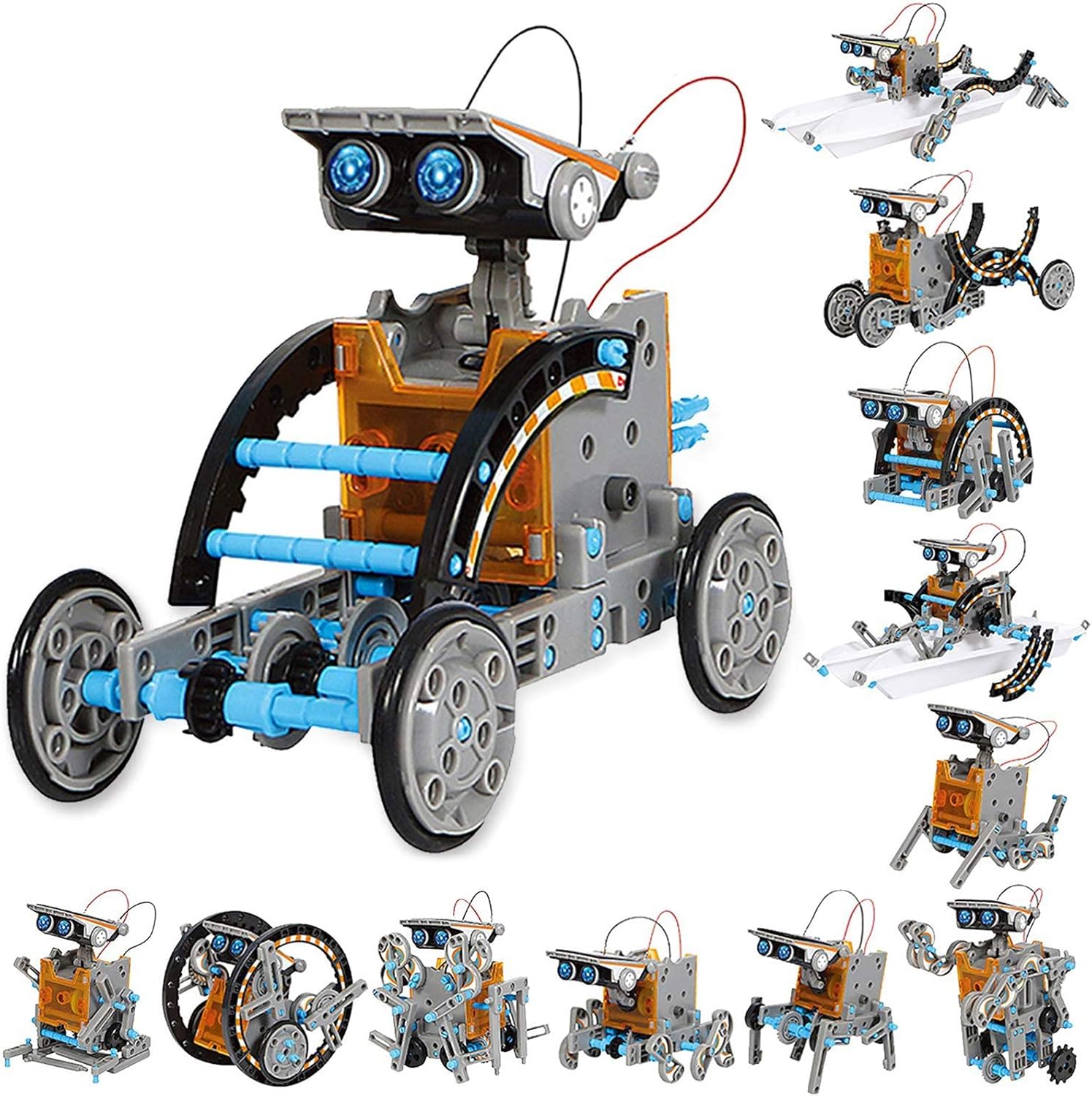
Solar Power Kits for Hands-On Learning
Explore solar power kits designed to make renewable energy easier to understand. Compare included components, project style, age suitability, and learning features before choosing a kit.
47 products in catalog
47 results
Filters


Educational Insights
GeoSafari Motorized Solar System Toy, STEM Toy, Solar System For Kids, Gift For Boys & Girls, Ages 8+
See current price


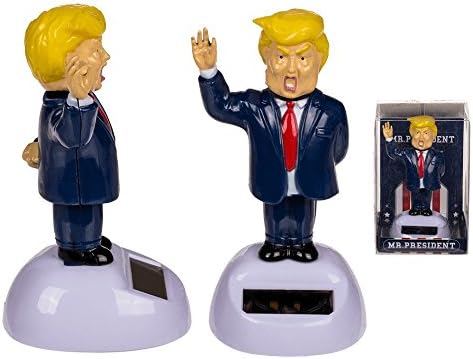
Puckator
Puckator Solar Pal The President- Dancing Solar Toy - Car Desktop Office - Fun Toy - America - USA
See current price


Puckator
Puckator Shaun The Sheep Solar Powered Pal, Height 13cm Width 5cm Depth 6cm, Multicolor
See current price

Popular brands in Solar Power Kits
Solar power kits offer a hands-on way to explore how sunlight can be converted into usable energy. Depending on the design, a kit may involve assembling a small vehicle, fan, robot, generator, or another working project. The building process can make concepts such as circuits, motors, motion, and renewable energy more approachable than reading about them alone.
When comparing kits, consider who will use the project, how much assembly is involved, and whether the kit is intended for guided learning or open-ended experimentation. Some are better suited to younger learners working with an adult, while others offer more involved construction for children who already enjoy science and electronics activities.
How to choose a solar power kit
Start with the learner’s experience and interests. A simple project with clearly illustrated instructions may be a better introduction, while a more complex build can provide a longer challenge for an experienced hobbyist. Product descriptions should clarify the recommended age range, assembly requirements, and whether adult supervision is suggested.
Consider the setting as well. A kit that depends on bright outdoor light may be less convenient for indoor use, whereas a model that demonstrates solar power under suitable lamps or through a classroom activity may offer more flexibility. Always follow the manufacturer’s guidance for the light source and operating conditions.
Types of projects to compare
Solar kits can differ substantially in what the finished project does:
- Vehicles and moving models: Cars, boats, and similar builds can demonstrate how electrical energy powers a motor and produces motion.
- Robots and mechanical projects: These may combine solar components with gears, wheels, or moving parts for a more involved construction activity.
- Fans and simple motor projects: A rotating propeller or fan provides a direct visual demonstration of energy transfer.
- Multi-project kits: Kits with several possible builds can support repeated experimentation and may suit learners who want more variety.
- Circuit-focused projects: These emphasize connections, components, and basic electrical principles rather than a decorative finished model.
For broader hands-on activities, browse Science Kits & Toys. Learners interested in combining construction with interactive electronics may also enjoy Electronic Learning Toys.
Features and specifications to compare
Look beyond the project image and check what the package actually includes. Useful details to compare include:
- Solar panel type and whether it is included in the kit
- Motor, wires, gears, wheels, switches, and other required components
- Number and variety of project configurations
- Assembly difficulty and clarity of the instructions
- Whether tools, batteries, glue, or other supplementary materials are needed
- Finished-project size and storage requirements
- Recommended age range and supervision guidance
- Whether replacement or compatible parts are readily identifiable
A kit that includes most of the necessary components may be more convenient, but a project requiring common household tools can still be appropriate for a supervised learning activity. Check the listing carefully for exclusions so the build does not stall when an unlisted item is needed.
Learning value and project fit
The strongest match depends on the intended learning goal. For an introduction to renewable energy, choose a project that visibly responds to sunlight and explains the basic energy path from panel to motor or circuit. For engineering practice, look for a build involving mechanical assembly, troubleshooting, and repeated testing.
Think about attention span and frustration tolerance, too. Clear diagrams, labeled parts, and a logical assembly sequence can help beginners work independently. More advanced learners may prefer a kit that encourages modifications, such as changing the layout, testing different light conditions, or exploring how mechanical parts affect movement.
Solar power kits can also complement reading and classroom study. Pairing a build with Reading & Writing activities can encourage learners to record observations, explain results, or create a project report.
Brands represented in this catalog
The Solar Power Kits catalog includes products from Puckator, Tomons, CYOEST, YGMONER, Smartstoy, MDGZY, toyvelt, Rhode Island Novelty, Coodoo, Auryee, DORAMI, and Home-X. These brands are represented across the category; compare each listing by its project type, included parts, instructions, and suitability rather than choosing by brand name alone.
Safe and successful use
Inspect small parts before beginning and keep them organized during assembly. Young children should use kits with appropriate adult guidance, especially when tools, small components, adhesives, or detailed wiring are involved. Do not connect parts in ways the instructions do not describe, and avoid exposing components to water unless the product specifically indicates that this is acceptable.
Use the recommended light conditions and allow the motor or other moving parts to operate as directed. If a project does not work, recheck the wiring, switch position, panel alignment, and mechanical connections before forcing any component. Comparing the product instructions with the listing’s specifications can also help confirm what is included.
Frequently asked questions
Are solar power kits suitable for beginners?
Many are designed as introductory learning projects, but difficulty varies. Check the listed age guidance, assembly complexity, and whether supervision or tools are required.
Do solar power kits need batteries?
Not necessarily. Some projects are intended to run directly from a solar panel, while others may use additional power components. Check the individual product description for its power requirements.
Can a solar kit be used indoors?
Some projects may work near a bright window or under a suitable lamp, but performance depends on the kit and light source. Follow the manufacturer’s operating guidance.
What should be included in the package?
Common components may include a solar panel, motor, wires, structural pieces, and mechanical parts. The exact contents vary, so review the included-items list before selecting a kit.
What other learning categories pair well with solar kits?
Optics can complement lessons about light, while Musical Instruments and Flash Cards provide different ways to support broader learning interests.