

Studio Environment Equipment
Create a more practical recording space by comparing studio environment equipment for acoustics, isolation, organization, and everyday comfort.
306 products in catalog
306 results
Filters

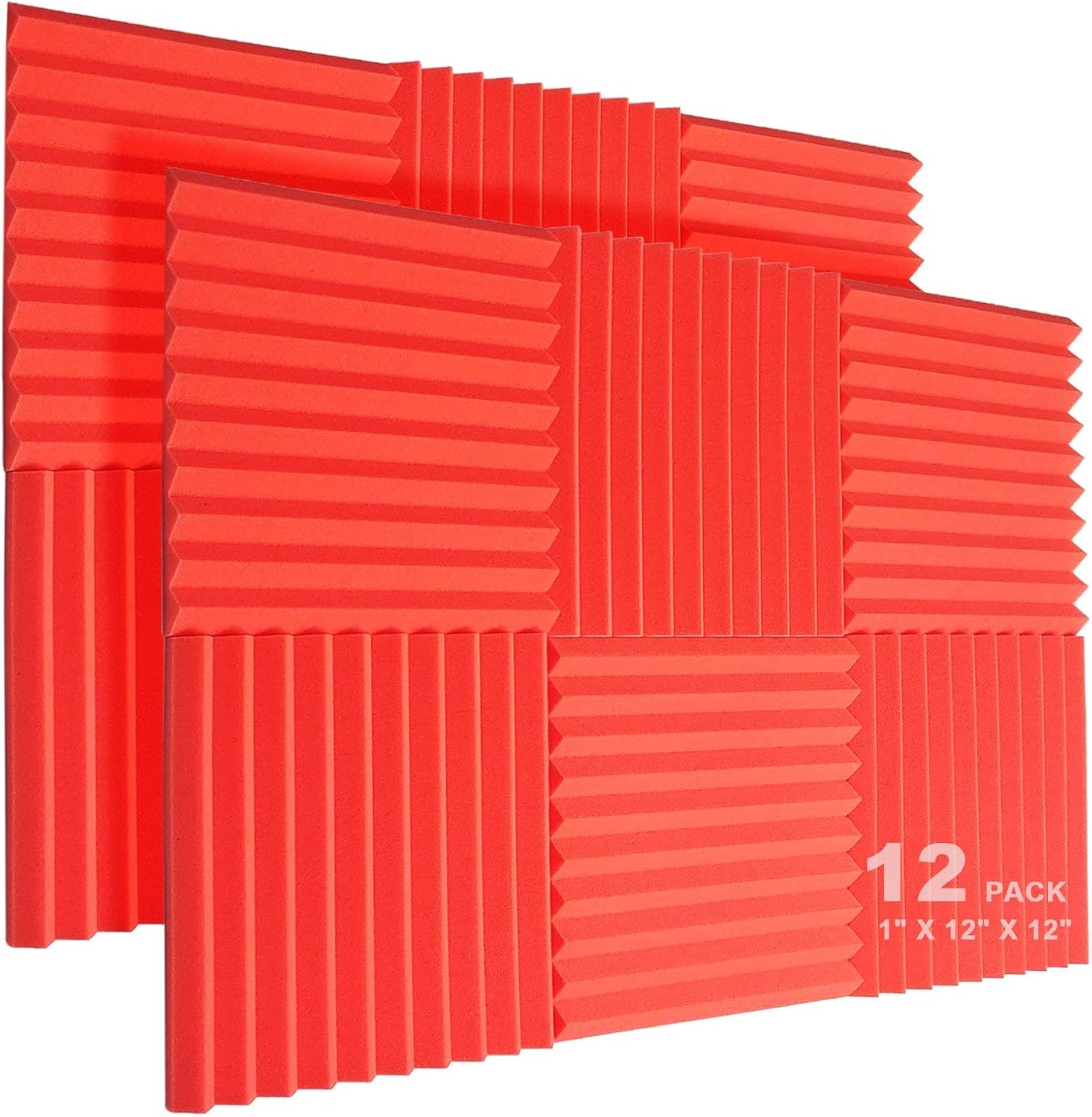
XIN&LOG
48 Pack purple BLACK 1" x 12" x 12" Acoustic Wedge Studio Foam Sound Absorption Wall Panels
See current price


IZO All Supply
IZO All Supply Convoluted Egg Crate Acoustic Foam (3x12x12 (6pack convoluted))
See current price


Reliable Hardware Company
Reliable Hardware Company RH-RMSET-25-A 25 Sets of Rack Rail Screws and Washers
See current price
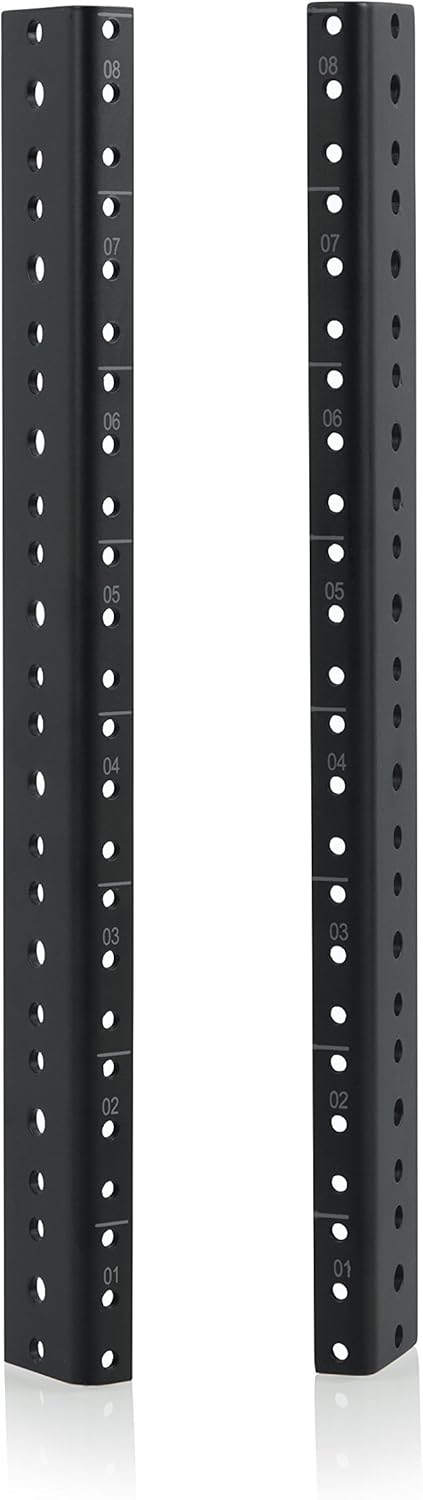
Gator
Gator Rackworks Heavy Duty Steel Rack Rail Set; 8U Rack Size (GRW-RACKRAIL-08U)
See current price


Popular brands in Studio Environment
A well-planned studio environment supports better recording, monitoring, and workflow. The right equipment can help manage reflections, reduce unwanted vibration, organize essential gear, and make long sessions more comfortable.
This category covers the supporting equipment around a recording setup rather than the instruments or recording software themselves. Compare dimensions, materials, mounting options, and compatibility carefully so each addition suits the room and the rest of the studio.
How to choose studio environment equipment
Start by identifying the problem you want to solve. A room may need acoustic control, a more stable setup for equipment, better cable organization, or improved separation between noisy and sensitive components. One product may address a specific issue, while a combination of complementary equipment may create a more useful overall solution.
Consider the room itself before selecting gear. Available wall, floor, and desk space affects installation and placement. Also check whether the equipment is intended for permanent mounting, temporary positioning, or portable use.
Useful questions include:
- Will the equipment fit the available space without restricting movement?
- Does it require drilling, adhesive, hardware, or another mounting method?
- Can it support the weight and size of the intended equipment?
- Is the material suitable for the room’s heat, moisture, and daily use?
- Can the setup be adjusted if the studio layout changes?
Acoustic control and isolation
Room acoustics influence how accurately recorded sound and playback are perceived. Acoustic treatment is generally used to manage reflections and resonances, while isolation-focused equipment is intended to limit the transfer of vibration or unwanted noise between surfaces and devices.
When comparing products, look at construction, thickness, surface area, placement flexibility, and installation requirements. Treatment should be selected for the room’s shape and surfaces rather than added randomly. Isolation products should also be matched to the equipment they support, including its footprint and weight.
A quieter or more controlled environment can be especially useful for vocal recording, microphone placement, critical listening, and home studios located near other rooms or outside noise sources. Acoustic treatment does not necessarily make a room soundproof, so shoppers should distinguish between improving room response and blocking sound transmission.
Workspace, storage, and organization
A studio environment also includes the equipment that keeps the workspace usable. Stands, shelves, supports, racks, mounts, and cable-management solutions can help keep devices accessible while reducing clutter around the recording position.
Compare load capacity, adjustment range, dimensions, and stability. For products that hold microphones, monitors, interfaces, or other hardware, confirm that the mounting standard and connection hardware match the equipment already in the studio. Foldable or repositionable designs may suit shared or multipurpose rooms, while fixed solutions can be preferable when the layout rarely changes.
Cable routing deserves attention as well. Look for a setup that keeps power and audio cables separated where practical, leaves enough slack for adjustment, and avoids creating trip hazards. Neat routing can make troubleshooting and future equipment changes easier.
Related recording equipment
Studio environment choices often work alongside other parts of a recording system. Browse Computer Recording for computer-based production equipment, or compare Studio Monitors when selecting speakers for critical listening.
Headphone & In-Ear Audio Monitors can provide an alternative monitoring method, particularly when room sound or privacy is a concern. For routing and level control, see Mixers & Accessories and Signal Processors. Portable Recorders may be useful when the recording setup needs to move beyond a fixed studio.
Brands in the catalog
The catalog includes studio environment products from YWSHUF, JUSONEY, Focusound, Dekiru, IZO All Supply, JBER, Satsuki, Grageta, Jazzpuss, Neewer, NavePoint, and XIN&LOG. These brands are represented across the available selection, so compare each product’s specifications, included hardware, and intended use rather than choosing by brand name alone.
Setup and compatibility tips
Before ordering, measure the installation area and compare those measurements with the listed product dimensions. Leave room for connectors, ventilation, adjustment, and access to controls. If a product attaches to a desk, wall, stand, or rack, verify the required surface and hardware.
For acoustic products, plan placement around the listening position and the room’s most reflective or problematic surfaces. For supports and storage, check stability and weight requirements. Keep frequently adjusted equipment within easy reach, and avoid placing cables where they can be pulled, pinched, or stepped on.
Frequently asked questions
What does studio environment equipment include?
It includes supporting equipment for the recording space, such as acoustic control, isolation, mounting, storage, workspace organization, and related studio accessories.
Does acoustic treatment make a room soundproof?
No. Acoustic treatment primarily manages reflections and room response. Soundproofing involves the room’s construction and methods for limiting sound transmission.
How do I choose the right size?
Measure the available area and compare it with the listed dimensions. Account for clearance, cable connections, doors, controls, and any adjustment range.
What should I check for mounted or supporting equipment?
Confirm the mounting method, compatible hardware, weight capacity, footprint, and stability. The support should suit both the room and the equipment placed on it.
Can studio environment equipment work in a small room?
Yes, but compact or repositionable solutions may be more practical. Prioritize products that address the room’s specific limitations without blocking access or movement.
Where can I check current product details?
Use the catalog to compare listed specifications and features, then follow through to Amazon to check the current product information before buying.