
Tools & Hardware for Electrical Projects
Compare electrical tools and hardware by function, compatibility, construction, and safety features. Browse catalog options before checking current product details on Amazon.
117 products in catalog
117 results
Filters


Klein Tools
Klein Tools 27400 Tie wire Reel, Lightweight Aluminum, Left Handed and Right Handed with Rewind Knob
See current price


Gardner Bender
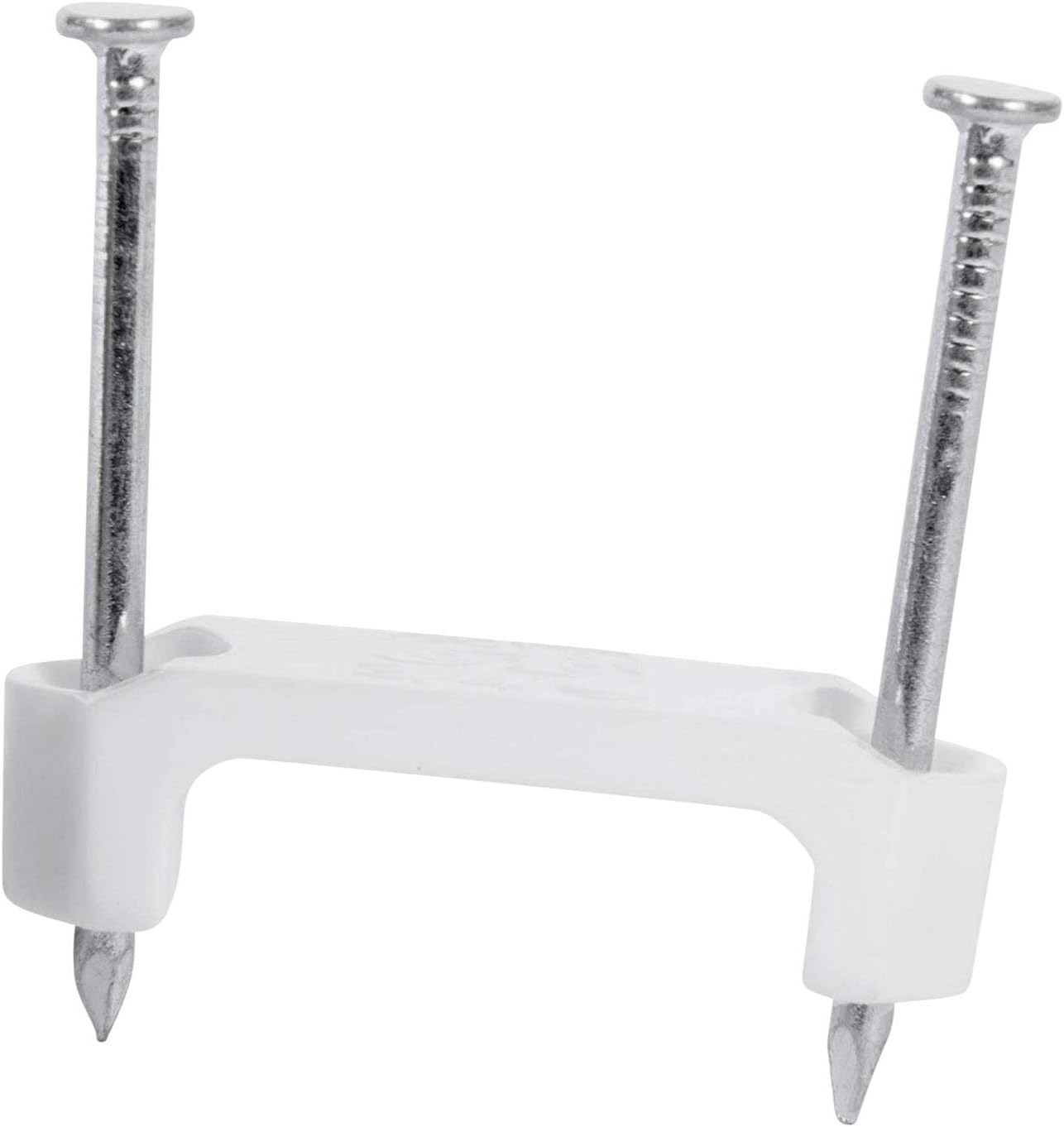
Gardner Bender MSI-200JN Polyethylene Insulated Metal Staple, 1/2 in., 14/2 & 12/2 (NM) Cable, Blue
See current price


Labor Saving Systems Ltd
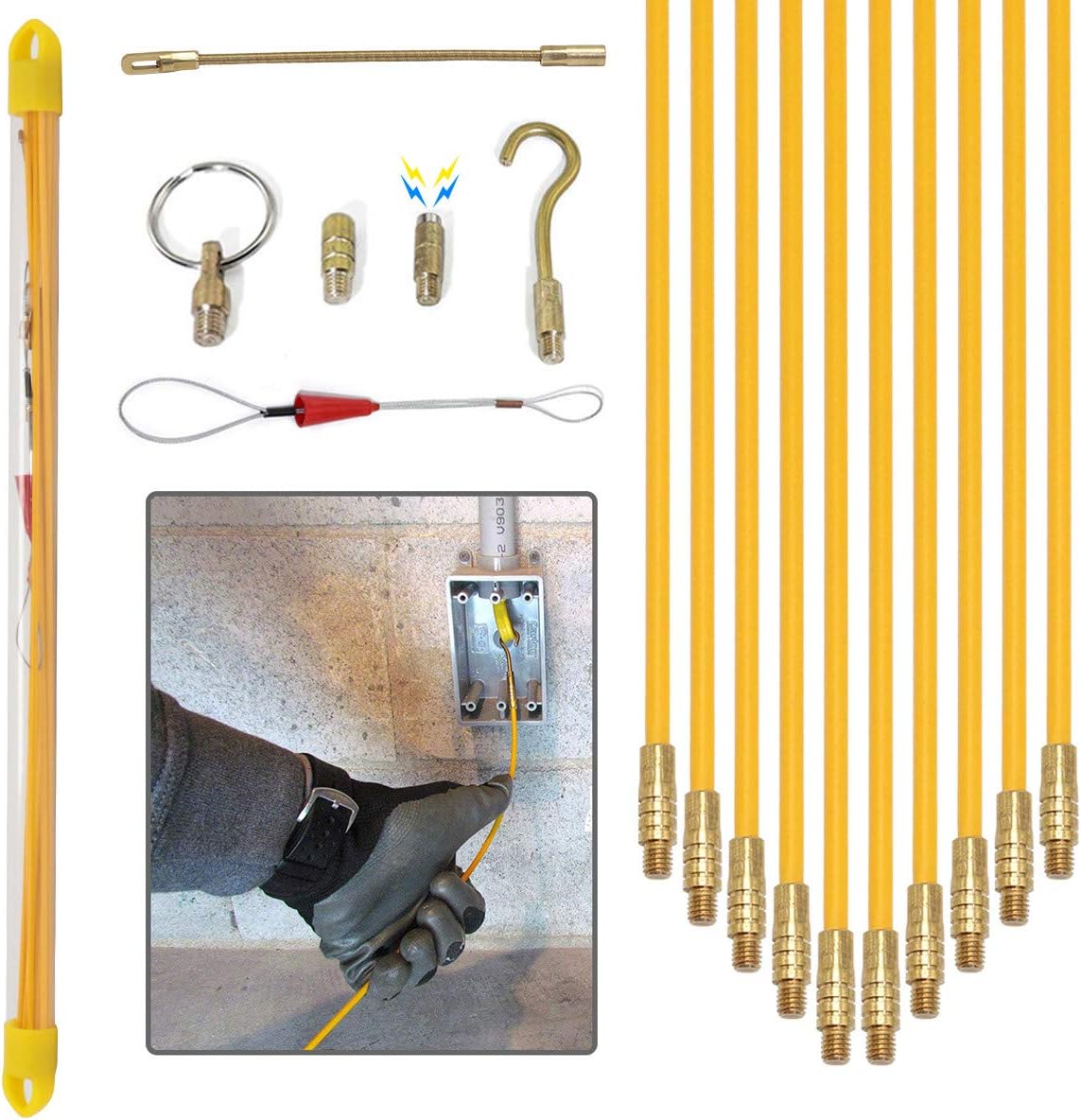
Original Magnepull XP1000-LC, Magnetic Wire Puller, Fishes and Pulls Wire Cable Behind Walls or Tight Spaces, Flexible -Steel Leader, Rare Earth Magnet
See current price
Labor Saving Systems Ltd
Original Magnepull XP1000-LC, Magnetic Wire Puller, Fishes and Pulls Wire Cable Behind Walls or Tight Spaces, Flexible -Steel Leader, Rare Earth Magnet
See current price


CableWholesale
RG6 Coaxial Cable Clips, Electrical Wire Cable Clips (100 pack), CableWholesale, White
See current price



Popular brands in Tools & Hardware
Tools & hardware for electrical work can cover everything from everyday hand tools and installation accessories to equipment used for testing, wiring, and troubleshooting. The right choice depends on the task, the electrical system involved, and the level of precision and protection required.
Use this catalog to compare product specifications and features across electrical tools and hardware. For a broader view of related products, browse the Electrical category as well.
How to choose electrical tools and hardware
Start with the job rather than the brand. A tool for trimming or preparing wire has different requirements from one used to identify circuits or verify electrical conditions. Consider:
- Task and frequency: Occasional household work may call for a versatile tool, while repeated installation or maintenance can justify a more specialized design.
- Compatibility: Check whether the tool or accessory is intended for the wire types, connectors, devices, and installation environment involved.
- Handling: Look for a comfortable grip, practical controls, and a size that fits the available workspace.
- Protection: Insulation, guarded contact points, and clear operating instructions can matter when working near electrical components.
- Storage and portability: A compact tool may suit a service bag, while a larger kit can be useful when several tools are needed together.
Always follow the product instructions and applicable electrical requirements. When a task involves uncertainty, concealed wiring, or hazardous conditions, a qualified professional may be the appropriate choice.
Types of products to compare
This category is useful for comparing tools and hardware that support electrical installation, maintenance, and troubleshooting. Related catalog sections can help narrow the search when the needed item is more specific:
- Cords, Adapters & Multi-Outlets for connecting or expanding power access.
- Switches & Dimmers for control components and replacement considerations.
- Wall Plates & Accessories for finishing and covering installed devices.
- Outlets & Accessories for receptacle-related hardware and installation parts.
- Door Chimes & Bells for entry notification hardware.
- Testers for products designed to help check electrical conditions or wiring.
Within general electrical tools, compare the intended use carefully. A basic hand tool may be appropriate for simple preparation or fastening, while a diagnostic tool requires attention to measurement capability, display readability, and the conditions it is designed to assess.
Key features and specifications
Specifications are more useful when matched to the work environment. For hand tools, examine the working end, adjustment range, grip, materials, and whether the design is intended for a particular wire or connector type. For powered or electronic equipment, consider the power source, controls, display, included accessories, and operating limitations.
For tools used around live circuits, pay close attention to stated safety features and usage conditions. Insulated construction does not remove the need to disconnect power whenever possible or to use the tool only as directed. If a product is intended for a specialized electrical application, confirm that its specifications align with the system before buying.
It is also worth checking what comes in the package. A case, interchangeable parts, probes, batteries, or adapters can affect how ready the product is for the intended task, while replacement-part availability may matter for tools used regularly.
Brands represented in the catalog
The catalog includes electrical tool and hardware options from Klein Tools, Gardner Bender, Southwire, WXTOOLS, Greenlee, PETUOL, Fluke Networks, Chromex, Akuoly, RamPro, HIIJA, and Pit Bull. These brands are represented across the available selection; compare each product by its own specifications, intended use, included components, and safety information rather than choosing by name alone.
Practical safety and maintenance tips
Before beginning electrical work, identify the correct circuit and disconnect power where the task allows. Verify the condition with an appropriate tester, follow the tool’s instructions, and avoid using damaged cords, cracked housings, loose probes, or worn working surfaces.
Keep tools clean and dry, store them so sensitive parts are protected, and inspect them before use. Do not substitute a tool for equipment designed for a different electrical task. For replacement hardware, compare dimensions, connection style, ratings, and installation requirements with the existing setup.
Frequently asked questions
What should I compare first when buying electrical tools?
Start with the intended task, then compare compatibility, safety features, size, handling, power source, and included accessories.
Are general electrical tools suitable for every wiring job?
No. Tools differ by application and working conditions. Check the manufacturer’s specifications and use equipment suited to the wiring, device, and environment.
Should power be turned off before using electrical tools?
Power should be disconnected whenever possible, and the circuit should be verified with an appropriate tester before work begins. Follow applicable safety procedures.
How can I choose between a basic tool and a specialized one?
Choose a basic tool for straightforward, occasional tasks when it meets the requirements. A specialized tool may be more suitable when the job requires a specific function, measurement, or compatibility.
What should I check when replacing electrical hardware?
Compare physical fit, connection type, electrical specifications, installation method, and compatibility with the existing system before selecting a replacement.