Gorilla
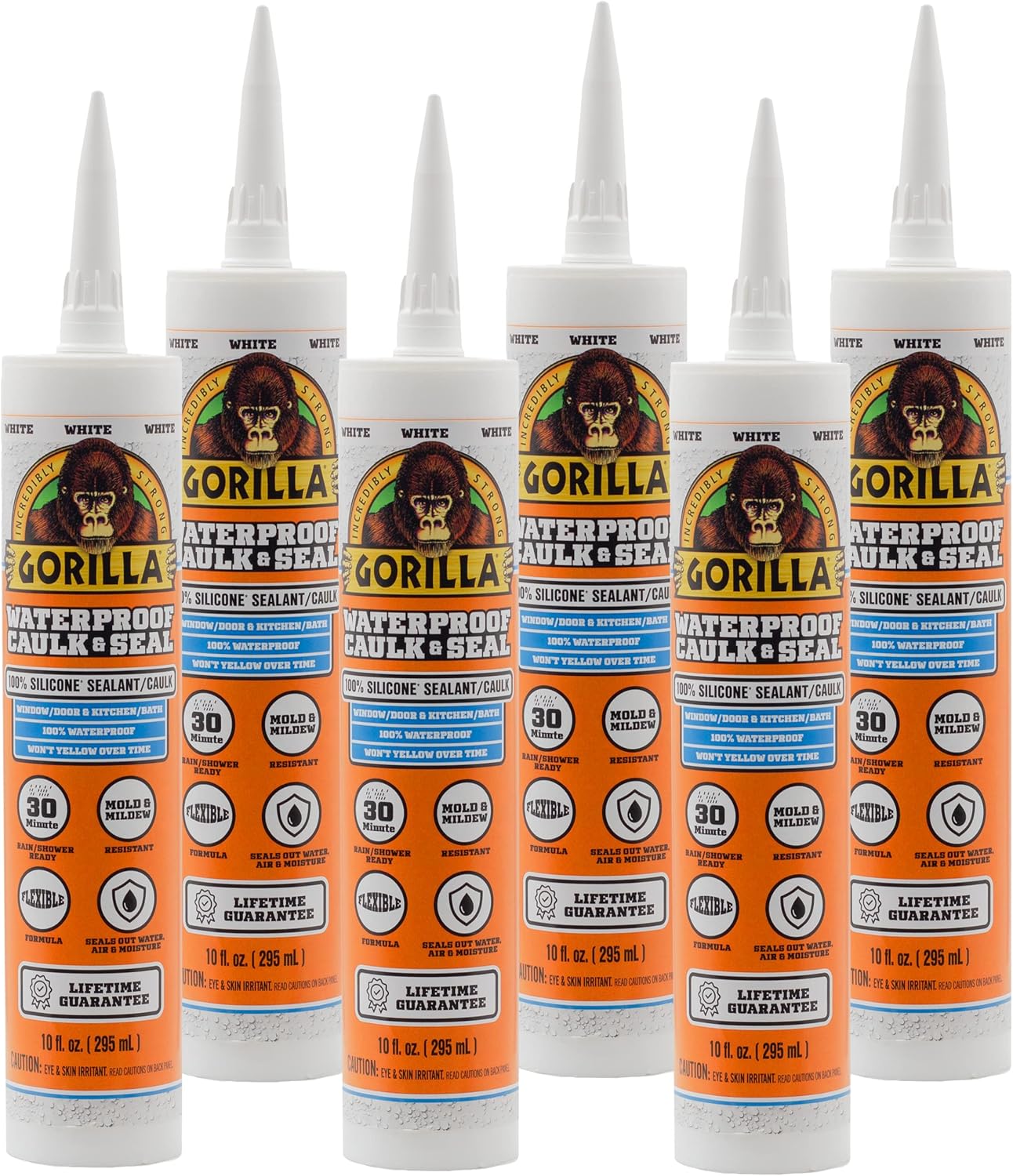
Gorilla Waterproof Caulk & Seal 100% Silicone Sealant, 10oz Cartridge, White (Pack of 6)
See current price

Compare caulk by formulation, flexibility, adhesion, application method, and intended use. K-Catalog helps you review product specifications and features before visiting Amazon for current availability.
252 products in catalog
252 results
Gorilla
See current price

Gorilla
See current price


Gorilla
See current price

GE Sealants
See current price
GE Sealants
See current price


GE Sealants
See current price

GEAR AID
See current price



Gorilla
See current price

Gorilla
See current price

Liquid Nails
See current price


Gorilla
See current price

Caulk is used to fill gaps, seal joints, and help keep air, moisture, dust, and debris from passing through openings. The right product depends on the surfaces involved, the level of movement or exposure, and the finish required after application.
This K-Catalog selection includes caulk from brands such as DAP, GE, Red Devil, Sashco, Gorilla, Loctite, GE Sealants, Liquid Nails, Flex Shot, HENKEL CORPORATION, LALASUN, and GE Momentive Performance Materials. Compare each listing’s specifications and features to narrow the options for your project.
Start with the joint or gap you need to seal. Interior trim, bathrooms, windows, doors, countertops, masonry, and exterior joints can call for different formulations. A product designed for a dry indoor seam may not be suitable for constant moisture, temperature changes, or outdoor exposure.
Consider these questions before choosing:
Caulk formulations vary in flexibility, adhesion, curing behavior, appearance, and cleanup. Product descriptions should be checked carefully because capabilities differ even within the same broad type.
Acrylic latex caulk is often considered for interior seams and trim because it is typically easy to tool and may be paintable. It can be a practical choice when appearance and straightforward finishing are priorities, but the product’s moisture and movement specifications still matter.
Silicone caulk is commonly selected for areas exposed to water, humidity, or temperature changes. It can provide a flexible seal on compatible surfaces. Review the listing for adhesion guidance, paintability, curing requirements, and recommended applications.
Polyurethane and hybrid formulations may be suited to demanding joints where adhesion, durability, and flexibility are important. These products can have different application and cleanup requirements, so compare the instructions and technical details before selecting one.
For products intended primarily to bond materials rather than seal a joint, explore Adhesive Tapes, Cyanoacrylate Adhesives, or Epoxy Adhesives. For a broader look at this product family, visit Adhesives, Sealants & Lubricants.
Product pages can differ substantially in the details they provide. Focus on specifications that match the job rather than choosing by brand or appearance alone.
If the project calls for a dedicated sealing compound rather than general-purpose caulk, compare the options in Industrial Sealants. Other nearby categories include Contact Cements and Industrial Lubricants, which serve different bonding and maintenance needs.
A clean, dry, sound surface is essential. Remove loose material and old sealant where appropriate, then follow the product instructions for cleaning and preparation. Masking adjacent surfaces can help create a neater bead, especially on visible trim or finished materials.
Apply a consistent bead and tool it according to the manufacturer’s directions. Avoid disturbing the seal while it cures, and allow adequate ventilation when required. Check the label for restrictions involving food-contact areas, aquariums, plumbing, porous materials, or prolonged water exposure. If the existing joint is damaged or the gap is unusually large, confirm whether the product is intended for that type of repair before applying it.
The Caulk catalog includes products from DAP, GE, Red Devil, Sashco, Gorilla, Loctite, GE Sealants, Liquid Nails, Flex Shot, HENKEL CORPORATION, LALASUN, and GE Momentive Performance Materials. These brands are represented across the available listings; compare their individual formulations, intended uses, colors, formats, and technical specifications rather than assuming products from the same brand are interchangeable.
Caulk fills and seals joints, seams, and gaps where air, moisture, dust, or debris could pass through. The correct product depends on the surfaces and conditions around the joint.
No. Water resistance varies by formulation and intended use. Check the product specifications to determine whether it is suitable for damp locations, direct water exposure, or exterior applications.
Some caulk can be painted, while other formulations may not accept paint reliably. Confirm paintability and any required curing time before planning a painted finish.
Flexible products are generally worth considering for joints that move or experience temperature changes. More rigid products may suit stable gaps, but surface compatibility and the manufacturer’s guidance should determine the final choice.
It depends on the package. Cartridge-style caulk typically requires a compatible gun, while squeeze tubes and other formats may be designed for smaller applications without one.