

Binders & Binding Systems
Compare binders and binding systems for school, home, office, archival, and presentation use. Review sizes, materials, capacity, closures, and page compatibility before choosing.
1,369 products in catalog
1,369 results
Filters
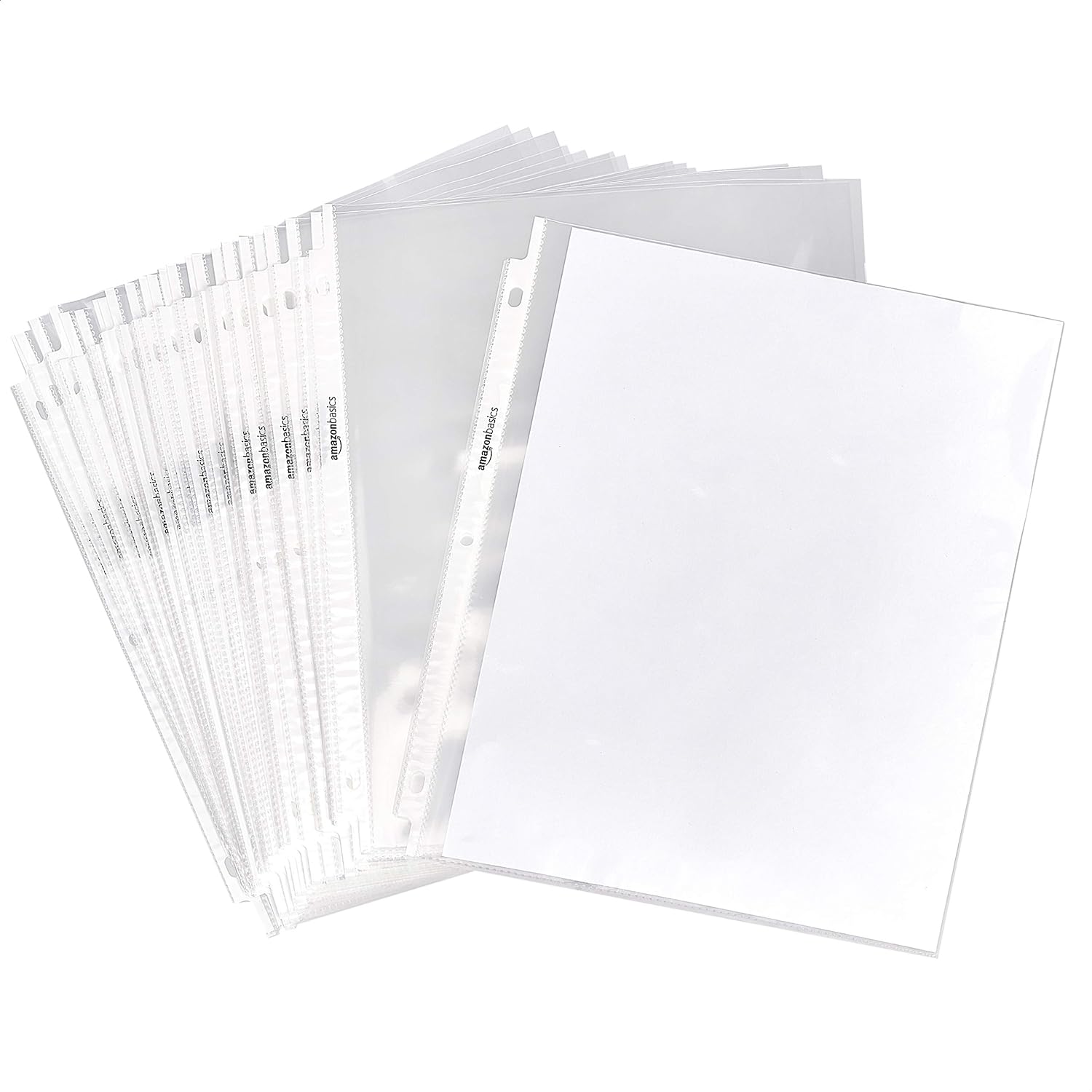
Amazon Basics
Amazon Basics Clear Sheet Protectors for 3 Ring Binder, 8.5 x 11 Inch,Polypropylene, 100-Pack
See current price




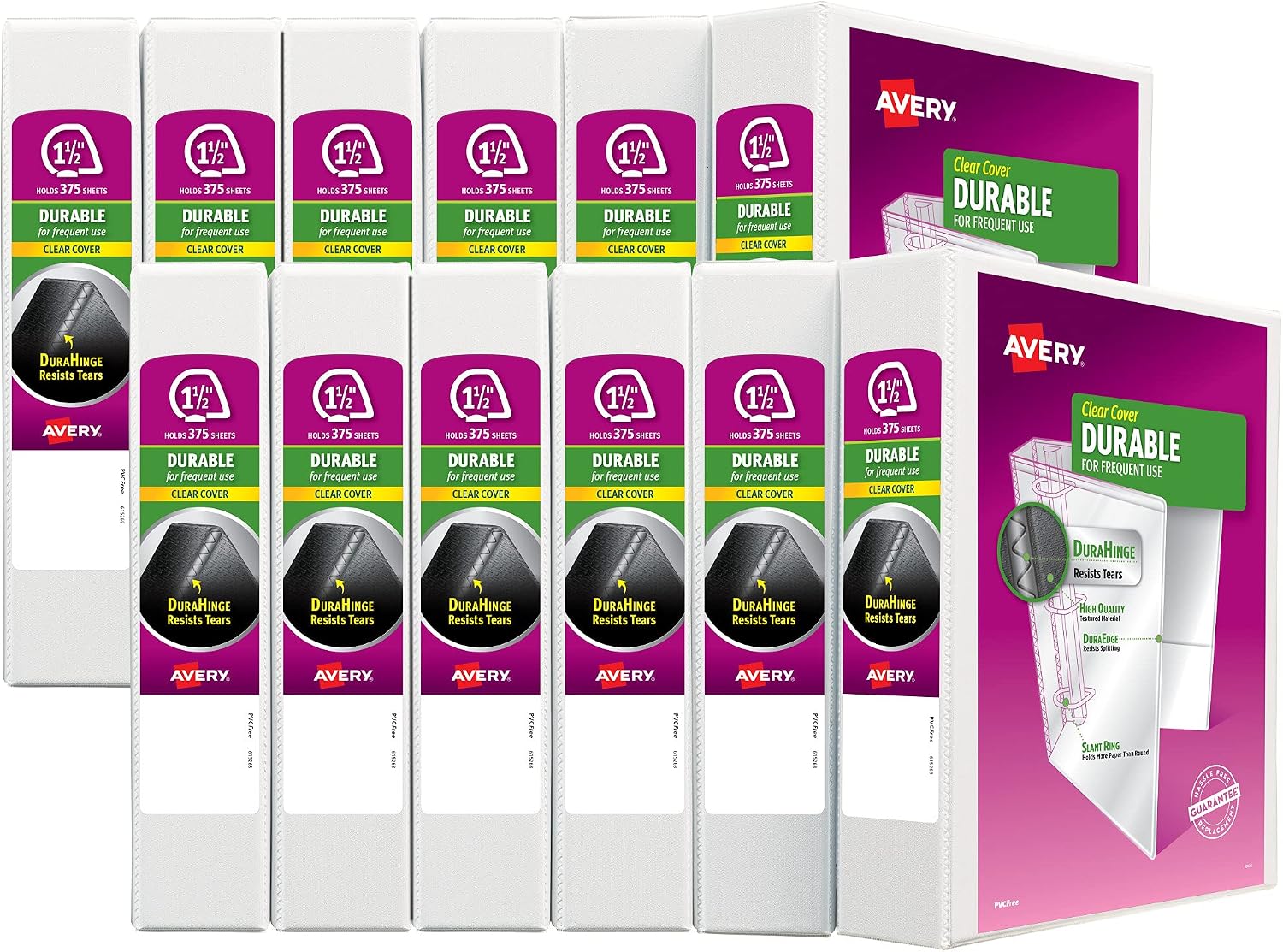
Avery
Avery Durable View 3 Ring Binder, 1-1/2 Inch Slant Rings, 12 White Binders (17002)
See current price


Avery
Avery Durable View 3 Ring Binder, 1-1/2 Inch Slant Rings, 1 Black Binder (17021)
See current price


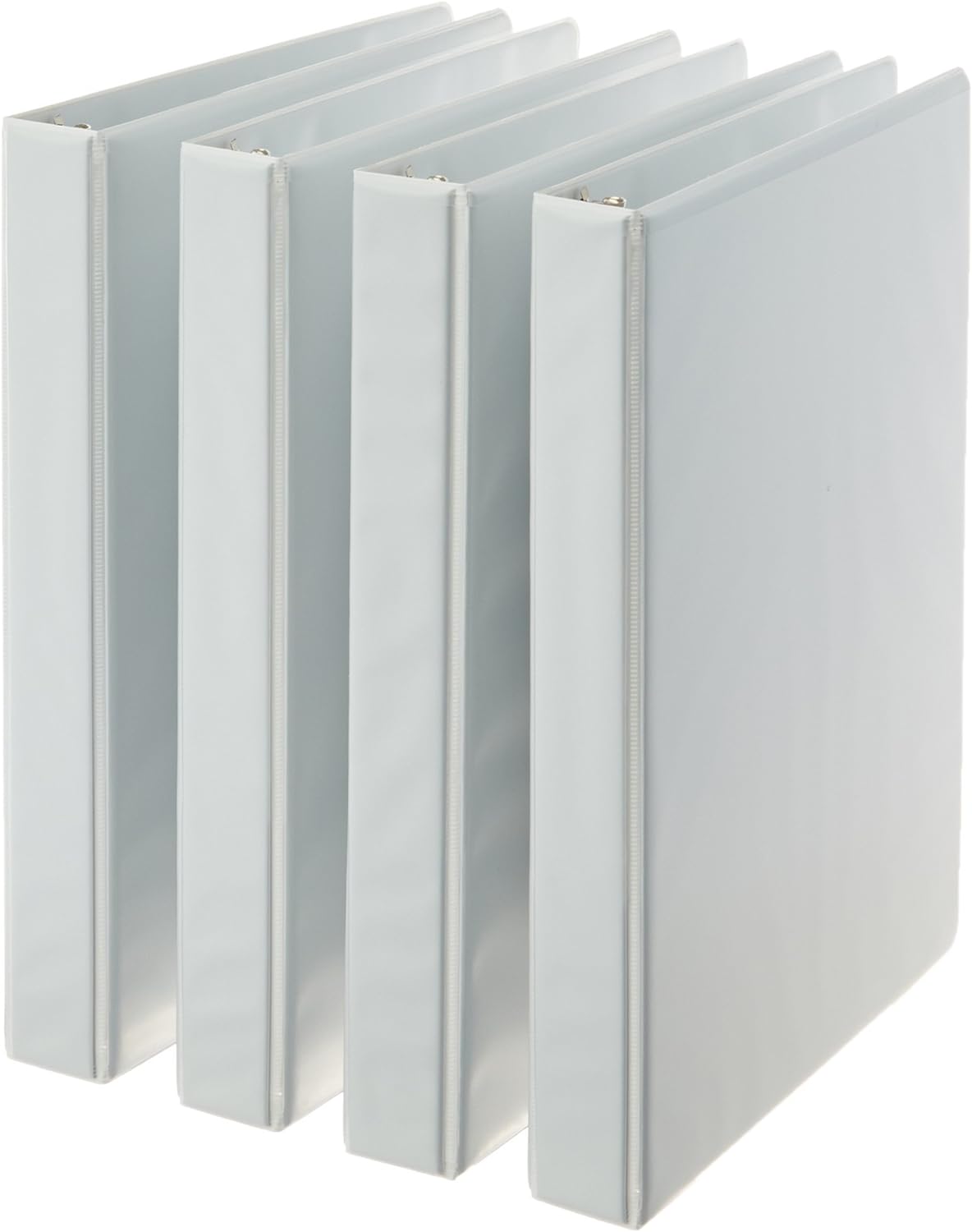
Amazon Basics
Amazon Basics Economy 3 Ring Binder, Showcase View Binder with 3 Inch, D-Ring, 2-Pack, White
See current price


Popular brands in Binders & Binding Systems
Binders and binding systems help keep loose papers organized, protected, and easy to update. The right option depends on the documents you handle, how often you add or remove pages, and whether portability, presentation, or long-term storage matters most.
Because the catalog includes options for several organizing needs, compare each product’s specifications and features rather than choosing by appearance alone. Consider the paper size, punching or binding method, capacity, cover construction, and storage environment first.
How to choose a binder or binding system
Start with the documents you plan to store. Standard letter-size pages are common for office and school work, while smaller formats may suit index cards, flashcards, photographs, trading cards, receipts, or compact reference materials. If your documents are already punched, check that the binder’s ring or fastening pattern matches them.
Think about how the item will be used:
- Frequent updates: Choose a system that makes it simple to add, remove, and reorder pages.
- Presentations: Look for a clean exterior, secure page retention, and a format that opens comfortably for viewing.
- Reference storage: Prioritize capacity, durable covers, and easy labeling.
- Portable organization: Consider weight, closure style, spine construction, and whether loose pages could fall out.
- Special collections: Confirm that the interior dimensions and sleeve or pocket design fit the items being stored.
For broader office organization, you can also browse Office & School Supplies and compare binders with Desk Accessories & Workspace Organizers.
Common types and binding formats
Ring binders use movable rings to hold punched pages. They are practical for class notes, project files, manuals, forms, and documents that change over time. Compare the number and shape of the rings, how smoothly they open and close, and whether pages sit flat when the binder is in use.
D-ring designs can provide a straighter page edge and may be useful when a file needs to hold substantial material. Round-ring designs are often suited to everyday organization where pages are regularly added or removed. The actual capacity depends on the product, so check the listed specifications instead of relying on the ring style alone.
Presentation binders may include clear front, back, or spine pockets for inserts. These can be useful when labeling or changing the appearance of a project file matters. Zippered, snap-closure, or folio-style systems offer additional containment for loose materials, but may trade some quick access for added security.
Sleeve-based systems protect individual pages or collectibles without requiring traditional hole punching. Check sleeve dimensions, opening direction, material, and whether the product is intended for documents, cards, photos, or another item type.
Key features and specifications to compare
Capacity and dimensions are essential. Check the maximum page or sheet capacity when provided, along with the exterior size and spine width. A larger capacity can be useful, but an overfilled binder may be difficult to close, carry, or store neatly.
Page compatibility includes paper size, hole spacing, ring configuration, refill format, and pocket dimensions. For specialty systems, verify that replacement pages or inserts are available in the same format.
Materials and construction affect durability and appearance. Compare the cover material, lining, edge reinforcement, ring mechanism, hinges, and stitching or bonding. For frequent handling, a sturdy mechanism and reinforced high-wear areas may matter more than decorative details.
Also check for features such as interior pockets, card slots, dividers, label holders, clear overlays, elastic bands, handles, or closures. These additions can improve organization, but they may increase bulk or limit the amount of material the binder can hold.
Organizing and care tips
Sort papers by project, subject, client, date, or action status, then use dividers or labels to make sections easy to find. Keep heavier pages distributed rather than placing all of them at the front or back. Avoid forcing a full binder closed, since excess pressure can affect the cover, rings, or pages.
Store binders upright when practical, with enough room to remove them without dragging against neighboring items. Keep paper and covers away from moisture, excessive heat, and prolonged direct sunlight. Before buying refills, measure an existing page or check its stated format so replacement inserts fit correctly.
For documents that should not be punched, consider pockets, sleeves, or a compatible filing system. Pair your binder setup with Paper and Labels, Indexes & Stamps for a more complete filing workflow.
Brands represented in the catalog
The catalog includes binders and related organization products from brands such as Avery, BCW, Amazon Basics, Samsill, Five Star, Cardinal, Ultra Pro, Outus, Blue Summit Supplies, Fellowes, Zonon, and Oxford. They may focus on different formats, materials, storage purposes, or presentation features, so compare the specifications of individual products rather than treating a brand name as a substitute for fit.
For adjacent planning and paperwork needs, explore Calendars, Planners & Personal Organizers or Writing & Correction Supplies.
Frequently asked questions
What size binder should I choose?
Choose a size that matches your documents and storage space. Confirm the paper format, exterior dimensions, and whether dividers or sheet protectors will add bulk.
How much capacity do I need?
Estimate the pages and inserts you expect to store, then allow room for additions. Check the listed capacity and avoid filling the binder beyond its comfortable closing point.
Are all binder rings compatible with the same pages?
No. Ring shape, spacing, and page size can differ. Match the punch pattern and dimensions of your existing or planned refill pages to the binder specifications.
When is a sleeve-based system preferable?
Sleeves can be useful when pages or items should remain unpunched and individually protected. Verify the sleeve size and intended use before selecting one.
What makes a binder suitable for frequent handling?
Look for a sturdy cover, reliable ring or fastening mechanism, reinforced edges, secure closures when needed, and a size that is comfortable to carry.
How can I keep a binder organized?
Use labeled dividers, consistent categories, and pockets for loose materials. Review the contents periodically and remove outdated pages so the binder remains easy to use.