

Calibration Tools & Equipment
Compare calibration tools and standards for checking, adjusting, and maintaining measurement accuracy. Review specifications and features to find equipment suited to your instruments and workflow.
46 products in catalog
46 results
Filters


AMERICAN WEIGH SCALES
AWS - Calibration Weight for AWS Digital Scale, Carbon Steel, 500G - (Chrome Finish)
See current price


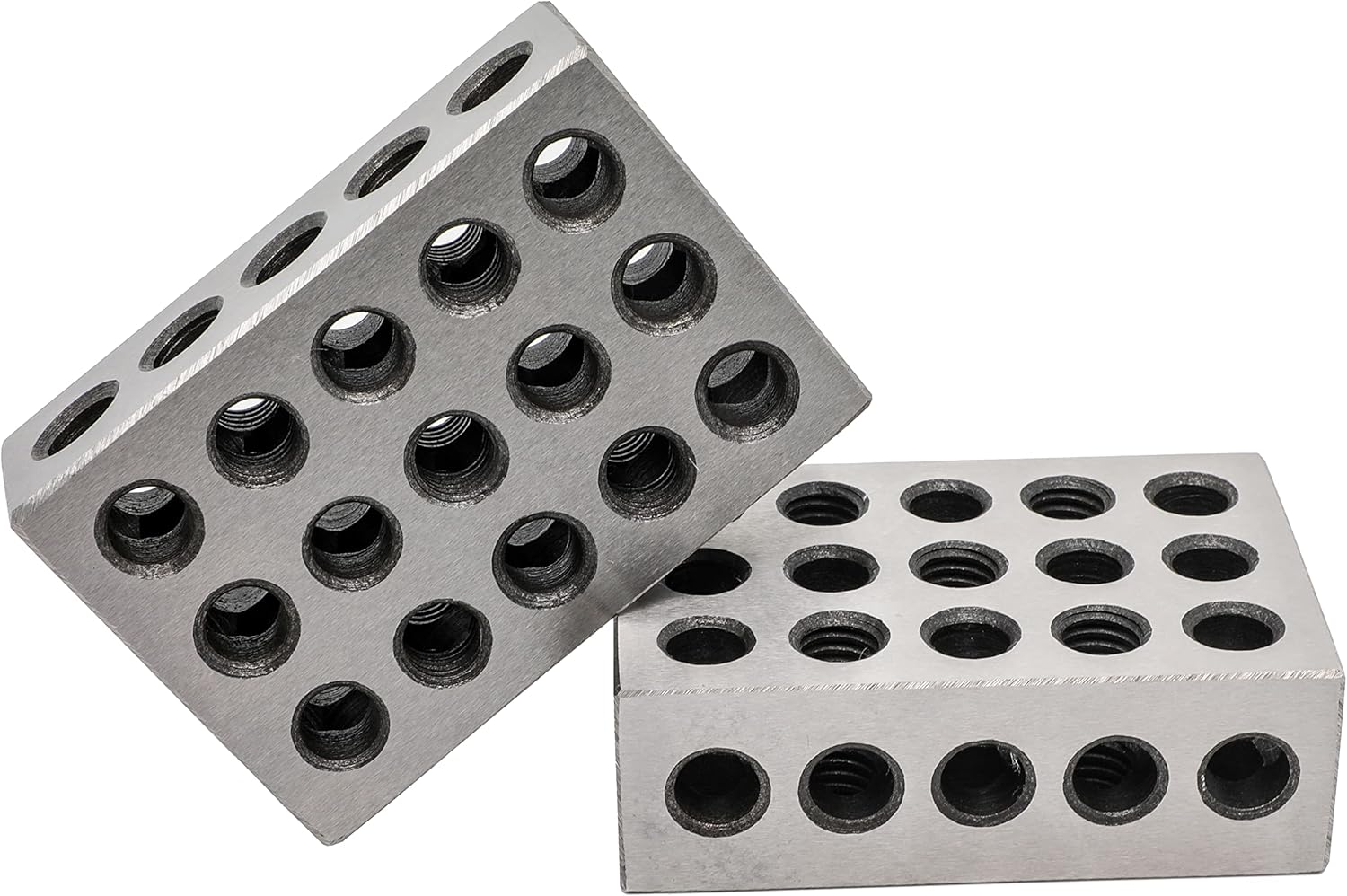


Smart Weigh
Smart Weigh CW-200G Carbon Steel 200g OIML Class M1: ± 10 mg Calibration Weight with Chrome Finish
See current price

Smart Weigh
Smart Weigh CW-500G Carbon Steel 500g OIML Class M1: ± 25 mg Calibration Weight with Chrome Finish
See current price

Smart Weigh
Smart Weigh CW-50G Carbon Steel 50g OIML Class M1: ± 3 mg Calibration Weight with Chrome Finish
See current price

Smart Weigh
Smart Weigh CW-100G Carbon Steel 100g OIML Class M1: ± 5 mg Calibration Weight with Chrome Finish
See current price

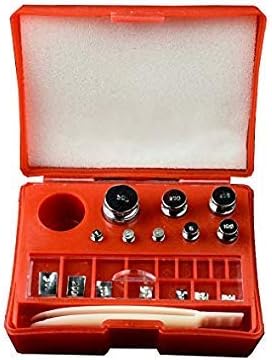


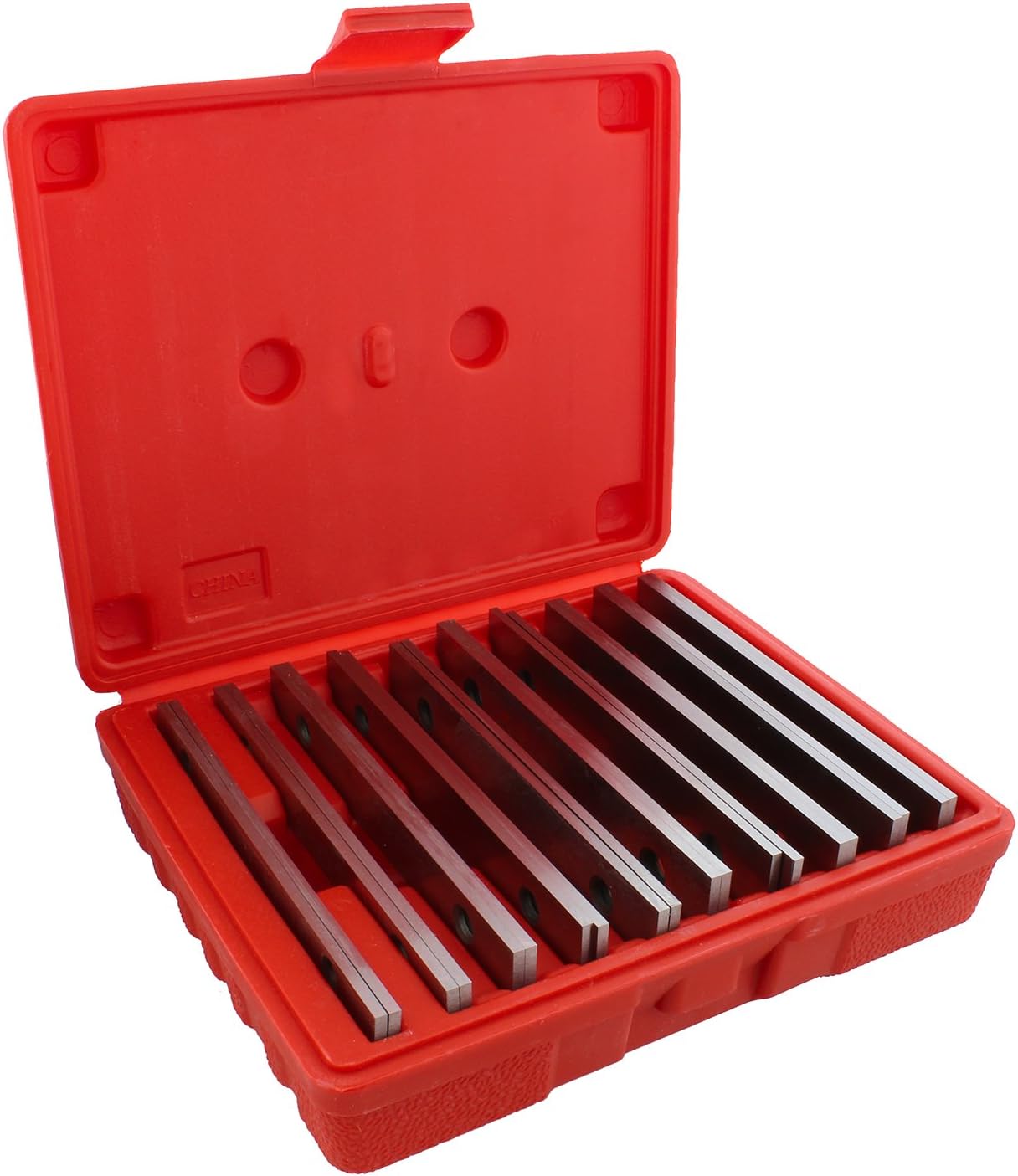
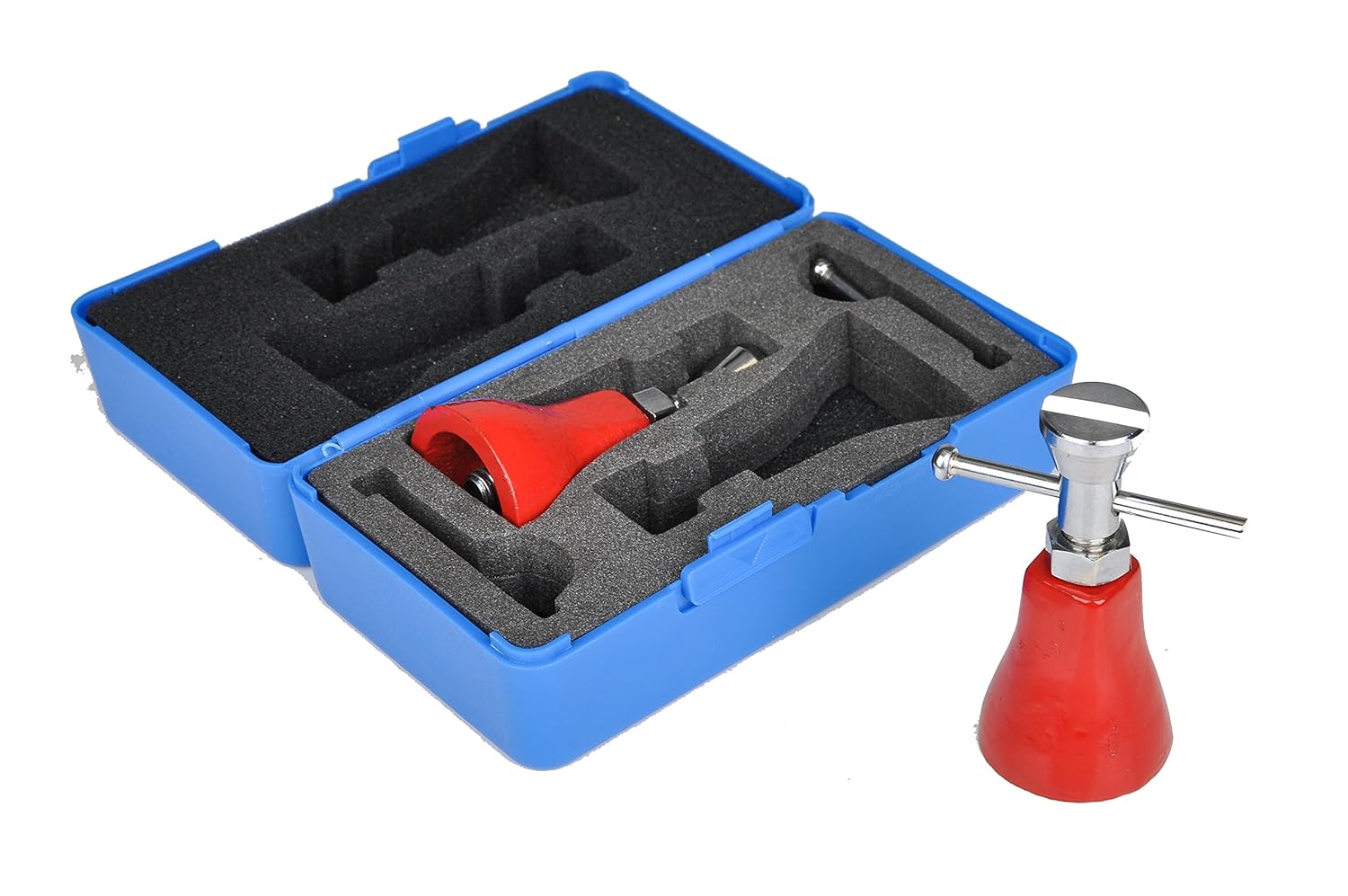


Anytime Tools
Anytime Tools 1-2-3 Blocks Matched Pair Hardened Steel 23 Holes (1"x2"x3") 123 Set Precision Machinist Milling
See current price
Popular brands in Calibration
Calibration equipment helps verify whether a measuring instrument is performing within an acceptable range. The right choice depends on what you are checking, the measurement range involved, the required precision, and how the tool will be used in your facility, workshop, laboratory, or quality-control process.
This category is part of Test, Measure & Inspect, alongside equipment for evaluating dimensions, electrical properties, environmental conditions, pressure, and other measurable characteristics.
How to choose calibration equipment
Start by identifying the instrument or process that needs to be checked. A reference standard must be suitable for the measurement type and compatible with the instrument being calibrated. Consider these questions before comparing products:
- What is being measured? Determine whether the application involves mass, length, electrical values, temperature, pressure, or another variable.
- What range is required? The reference should cover the operating range you need to verify without creating gaps at important test points.
- How much accuracy is necessary? Match the standard’s stated accuracy and resolution to the tolerance of the instrument or process.
- Where will it be used? Portable equipment may suit field work, while heavier or more specialized standards may be better for a controlled workspace.
- How often will it be used? Frequent calibration work can make durability, storage, and ease of setup especially important.
It is also useful to consider the documentation supplied with the product, the adjustment method of the instrument, and whether your workplace requires a particular calibration procedure or recordkeeping format.
Common calibration applications
Calibration products can serve several types of measurement work. The best match depends on the instrument and the reference values required.
Mass and weighing checks
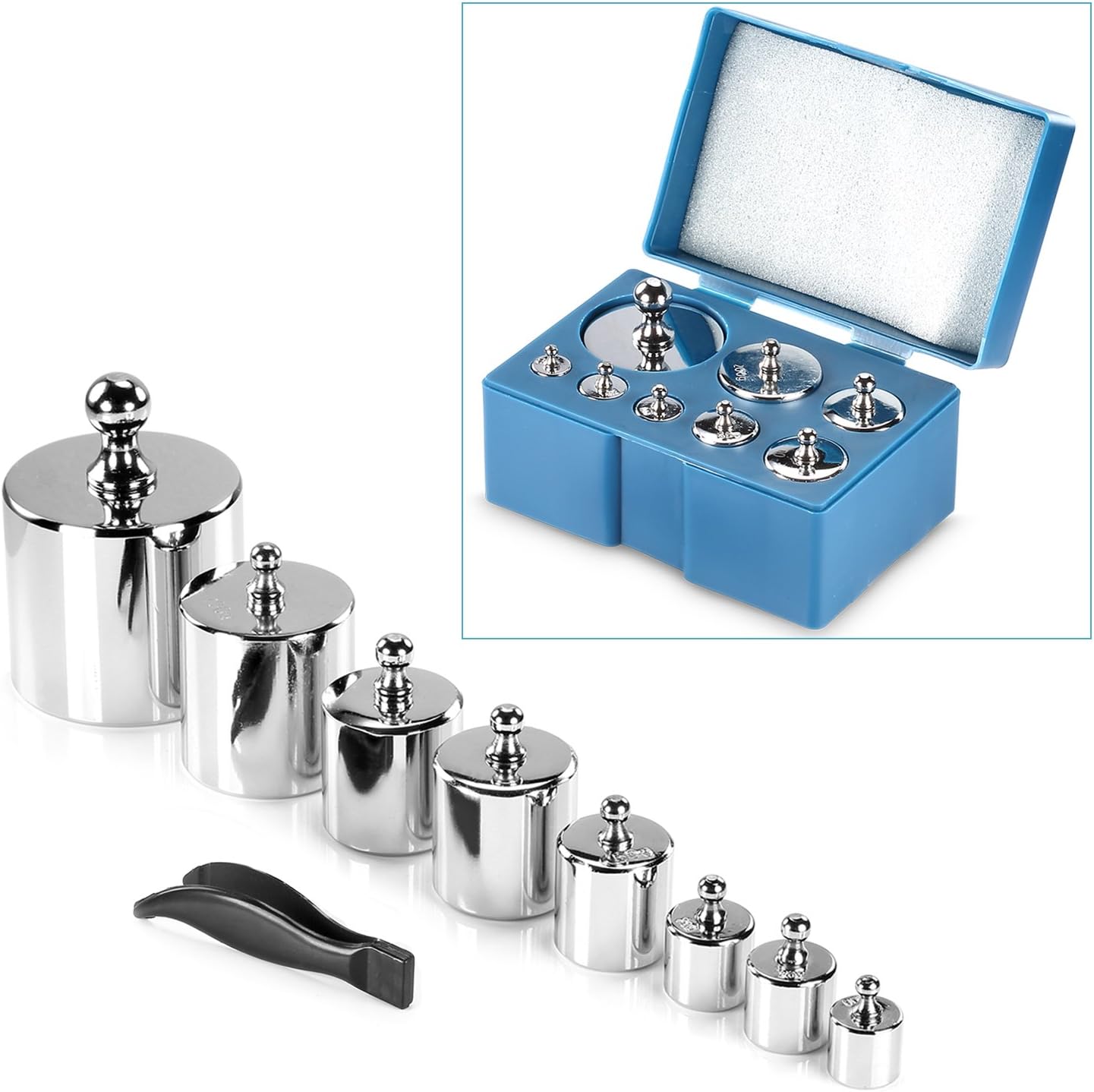
Scale calibration equipment is used to check whether a balance or scale displays mass consistently. Compare the nominal value, tolerance, construction, and handling requirements. For routine checks, look for standards that are easy to identify, store, and keep free from contamination.
Dimensional references
Gauge blocks and other dimensional standards can help verify measuring tools used for length, thickness, or fit. Compare the reference dimensions, precision, material, surface condition, and storage method. Related dimensional equipment can be explored in Dimensional Measurement.
Electrical, temperature, and pressure verification
Some calibration workflows involve electrical instruments, thermometers, humidity devices, gauges, or vacuum equipment. Select a reference designed for the relevant measurement type and compare operating range, resolution, connection requirements, and environmental limits. Browse Electrical Testing, Temperature & Humidity, and Pressure & Vacuum for adjacent equipment categories.
Specifications and features to compare
Product descriptions may use several specifications to define how a calibration tool should be applied. Pay close attention to:
- Accuracy and tolerance: These describe how closely the reference is expected to represent its stated value.
- Resolution: This indicates the smallest displayed or defined increment and can matter when checking fine differences.
- Measurement range: Confirm that the product covers the values needed for the instrument under test.
- Material and construction: Consider resistance to wear, corrosion, temperature changes, and handling damage.
- Format and portability: Cases, compact designs, or organized sets can simplify transport and storage.
- Compatibility: Check dimensions, fittings, interfaces, mounting arrangements, and the type of instrument being checked.
- Identification and documentation: Markings, certificates, instructions, and traceability information may be important for regulated or quality-managed work.
Do not compare accuracy in isolation. A highly precise reference may not be useful if it cannot connect to the instrument, reach the required range, or fit the available workspace.
Brands represented in the catalog
The Calibration catalog includes products from Smart Weigh, Neewer, LuckyStone, Accusize Co., Ltd., AMERICAN WEIGH SCALES, Images SI, Shappy, Gomigle, 1-2-3 Blocks, DDZ, Bekith, and HardwareFactoryStore.com. Compare each product by its listed specifications, intended application, included components, and documentation rather than choosing by brand name alone.
For other inspection and analytical needs, see Substance Analysis Instrumentation and Inspection & Analysis.
Practical calibration tips
Keep reference standards clean, protected, and stored according to the manufacturer’s instructions. Dust, moisture, impact, and temperature changes can affect some standards or the instruments being checked. Allow equipment to reach the appropriate operating conditions before taking readings when the instructions call for it.
Use a consistent procedure and record the instrument, reference used, conditions, results, and any adjustment made. If a device falls outside its acceptable tolerance, separate it from normal use until it has been evaluated or adjusted. For important or regulated measurements, follow the requirements of your organization and the relevant technical procedure.
Frequently asked questions
What is calibration equipment used for?
It is used to compare an instrument’s readings with a reference value and determine whether the instrument is operating within its required tolerance. Some equipment may also support adjustment or verification procedures.
How do I choose the right calibration standard?
Match the standard to the measurement type, required range, accuracy, connection or physical format, and procedure used by your organization. The instrument’s specifications are a useful starting point.
Is higher accuracy always better?
Not necessarily. The standard should be appropriate for the instrument and tolerance being checked. Excess precision may add cost or complexity without improving the usefulness of the calibration process.
Can calibration equipment be used in the field?
Some products are suited to portable work, while others are intended for a stable bench or controlled environment. Compare size, weight, durability, power needs, and storage features before selecting a portable option.
How should calibration standards be maintained?
Follow the product instructions, protect standards from contamination and impact, and store them in suitable conditions. Keep usage and verification records when your workflow requires them.