

Habitat Décor for Reptiles & Amphibians
Explore habitat décor for reptile and amphibian enclosures, from hides and climbing pieces to natural-looking accents. Compare materials, dimensions, and care features before choosing.
172 products in catalog
172 results
Filters


Exo Terra
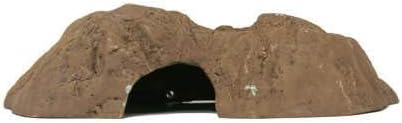
Exo Terra Gecko Cave for Reptiles and Amphibians, Reptile Hideout, Medium, PT2865
See current price


TopDawg Pet Supply
Fluker's 51019 Small Animal Bend-A-Branch Pet Habitat Decor, Medium,brown
See current price




Rolf C. Hagen (USA) Corp.
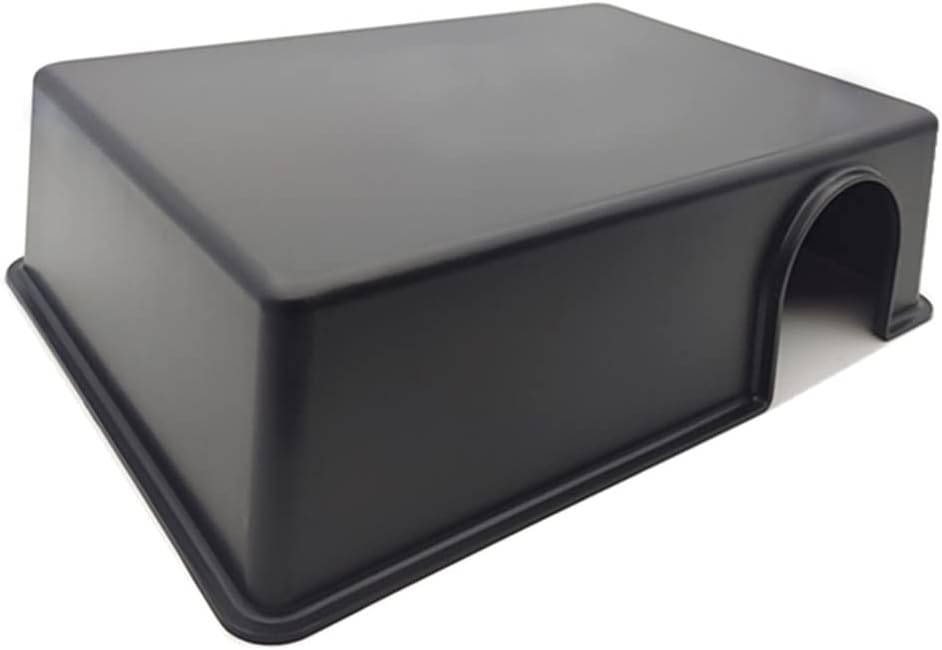
Exo Terra Jungle Vine, Reptile Terrarium Decoration, Large, PT3086
See current price


Popular brands in Habitat Décor
Habitat décor helps turn an enclosure into a more functional and engaging environment for a reptile or amphibian. The right pieces can provide shelter, climbing opportunities, resting areas, visual separation, and a more natural-looking setup.
Use this catalog to compare habitat décor by construction, size, shape, and maintenance needs. Because enclosure requirements vary by species and life stage, check the product specifications carefully and plan each item around the available space.
How to choose habitat décor
Start with the animal’s behavior, adult size, and enclosure layout. A ground-dwelling reptile may benefit more from sturdy hides and low resting areas, while an arboreal species may need elevated branches, ledges, or other climbing structures. Amphibians generally require décor that supports a humid environment and does not create difficult-to-clean spaces.
Consider these factors before selecting an item:
- Purpose: Decide whether the piece will provide hiding, climbing, basking, resting, or visual enrichment.
- Scale: Décor should fit comfortably inside the habitat without blocking movement or taking away essential floor space.
- Stability: Heavy or securely anchored pieces are less likely to shift when an animal climbs, burrows, or moves around them.
- Surface design: Avoid features that could catch claws, toes, tails, or delicate skin.
- Cleaning: Choose materials and shapes that are practical to remove, wash, and inspect regularly.
For broader enclosure planning, compare Terrariums alongside décor to confirm that the habitat can accommodate the intended arrangement.
Common types of habitat décor
Habitat décor can serve one purpose or combine several functions. Hides and caves offer enclosed retreats, while branches, vines, ledges, and climbing structures make use of vertical space. Background pieces and natural-style ornaments can add cover and help divide the enclosure into distinct areas.
When comparing products, think about how each piece will work with the rest of the habitat rather than choosing individual decorations in isolation. A hide may need to sit on a level surface, while climbing décor may require a secure attachment point. Large ornaments can also affect access to feeding areas, water dishes, heating equipment, and cleaning zones.
Décor should complement the enclosure’s substrate and overall layout. Review Terrarium Bedding, Sand & Substrate to compare the materials used beneath the décor, especially if you need a setup that is easy to spot-clean or rearrange.
Features and specifications to compare
Product listings may differ in measurements, materials, construction, and intended placement. Pay attention to the following details:
- Dimensions: Compare length, width, height, and opening size with the enclosure and the animal’s body size.
- Material: Look for the listed construction material and consider whether it suits dry, humid, or frequently misted environments.
- Weight and base design: A broad or weighted base can matter for climbing pieces and tall decorations.
- Attachment method: Check whether the item is freestanding, suspended, suction-mounted, or designed for another installation method.
- Access points: Hides should have entrances that are appropriately sized and easy to monitor or clean.
- Texture and edges: Inspect product details for smooth, animal-safe surfaces without sharp or easily detached parts.
- Maintenance instructions: Follow the manufacturer’s cleaning guidance and confirm whether the piece can be removed without disturbing the whole habitat.
Décor should not interfere with temperature or light gradients. Compare Terrarium Heat Lamps & Mats and Habitat Lighting to plan clearances and place decorations safely around heat and light sources.
Planning a practical enclosure
Place décor so the animal can move between shelter, food, water, and resting areas without unnecessary obstacles. Leave enough open space for observation and routine maintenance. Before adding a tall or heavy piece, check that it cannot fall onto the animal or damage the enclosure walls.
Inspect décor periodically for cracks, loose components, trapped debris, mold, or changes caused by moisture and heat. Remove and clean items as needed, following the care directions for the material. If the habitat uses a separate water area, compare Terrarium Bowls for containers that fit the layout without crowding the enclosure.
Food and water access should remain easy to reach and clean. See Food when coordinating décor placement with feeding routines.
Brands represented in the catalog
The Habitat Décor catalog includes products from Exo Terra, SunGrow, Rolf C. Hagen (USA) Corp., Hamiledyi, Zilla, SLSON, Tfwadmx, Zoo Med Laboratories, Kathson, Sinkoo, Zoo Med, and Niteangel. Brand availability can vary by product type, so compare the specifications and care information for each individual listing rather than relying on the brand name alone.
Frequently asked questions
What is the purpose of reptile habitat décor?
Habitat décor can provide hiding places, climbing opportunities, resting surfaces, visual cover, and enrichment while helping organize the enclosure.
How much décor should go in a terrarium?
Use enough décor to support natural behaviors without overcrowding the habitat. Preserve clear paths, accessible feeding and water areas, and room for cleaning.
How do I choose the right décor size?
Compare the product dimensions and openings with the enclosure size and the animal’s current and expected adult size. The piece should be usable without restricting movement.
Is all habitat décor suitable for humid enclosures?
No. Check the listed material, construction, and care instructions to determine whether a product is appropriate for misting, high humidity, or frequent cleaning.
Where should décor be placed around heat and lighting?
Keep décor arranged so it does not create unsafe contact with heat sources or block the intended lighting pattern. Follow equipment instructions and maintain stable, usable areas throughout the enclosure.