

Terrariums for Reptiles & Amphibians
Compare terrariums by enclosure style, ventilation, access, materials and animal compatibility. K-Catalog helps you review specifications and related habitat supplies in one place.
165 products in catalog
165 results
Filters


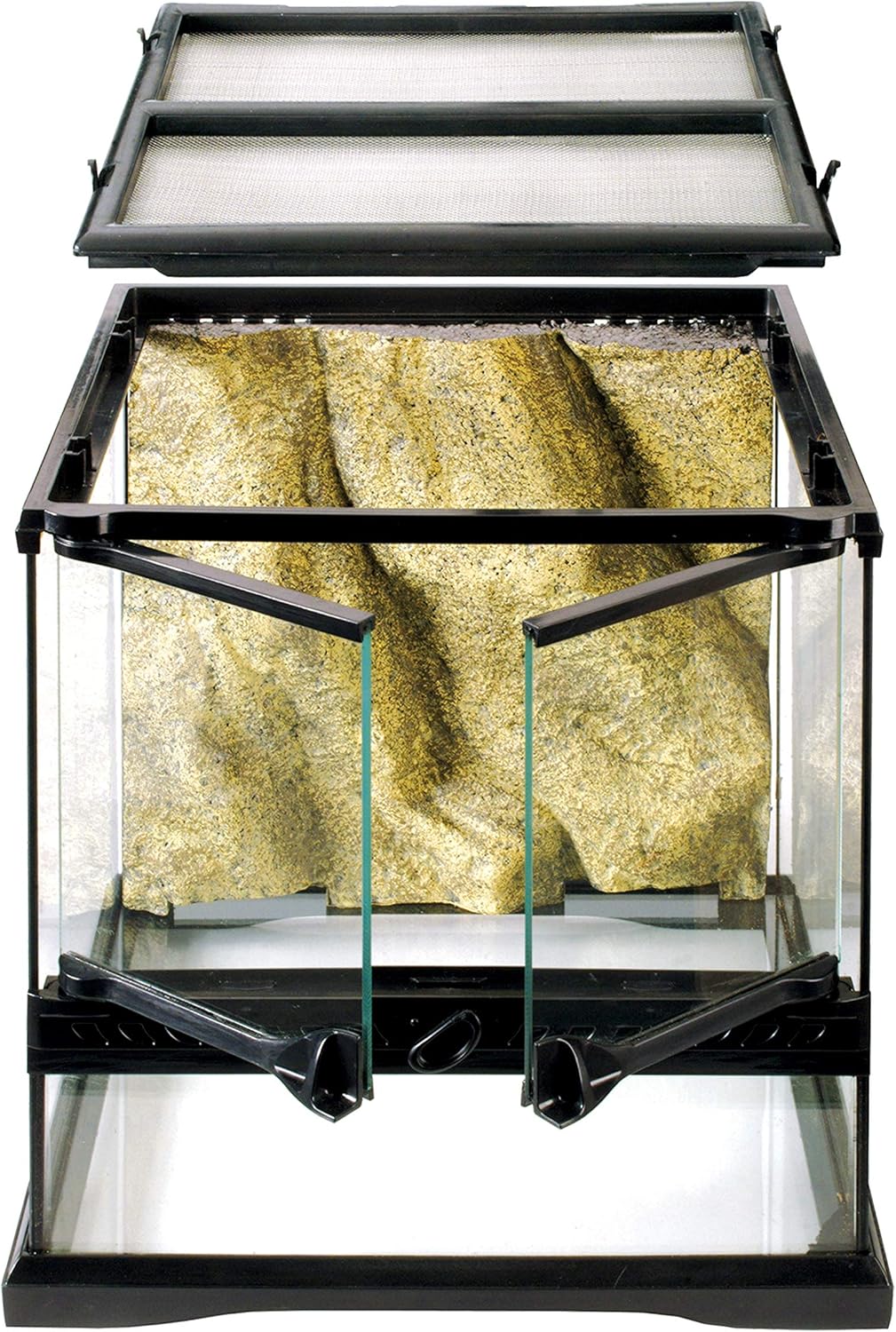
Exo Terra
Exo Terra Glass Terrarium Kit, for Reptiles and Amphibians, Mini Wide, 12 x 12 x 12 Inches, PT2600A1
See current price


Exo Terra
Exo Terra Exo Terra Cricket Pen, Small, 18 Cm X 14 Cm X 11 Cm (7\U201D X 5.5\U201D X 4.3\U201D)
See current price
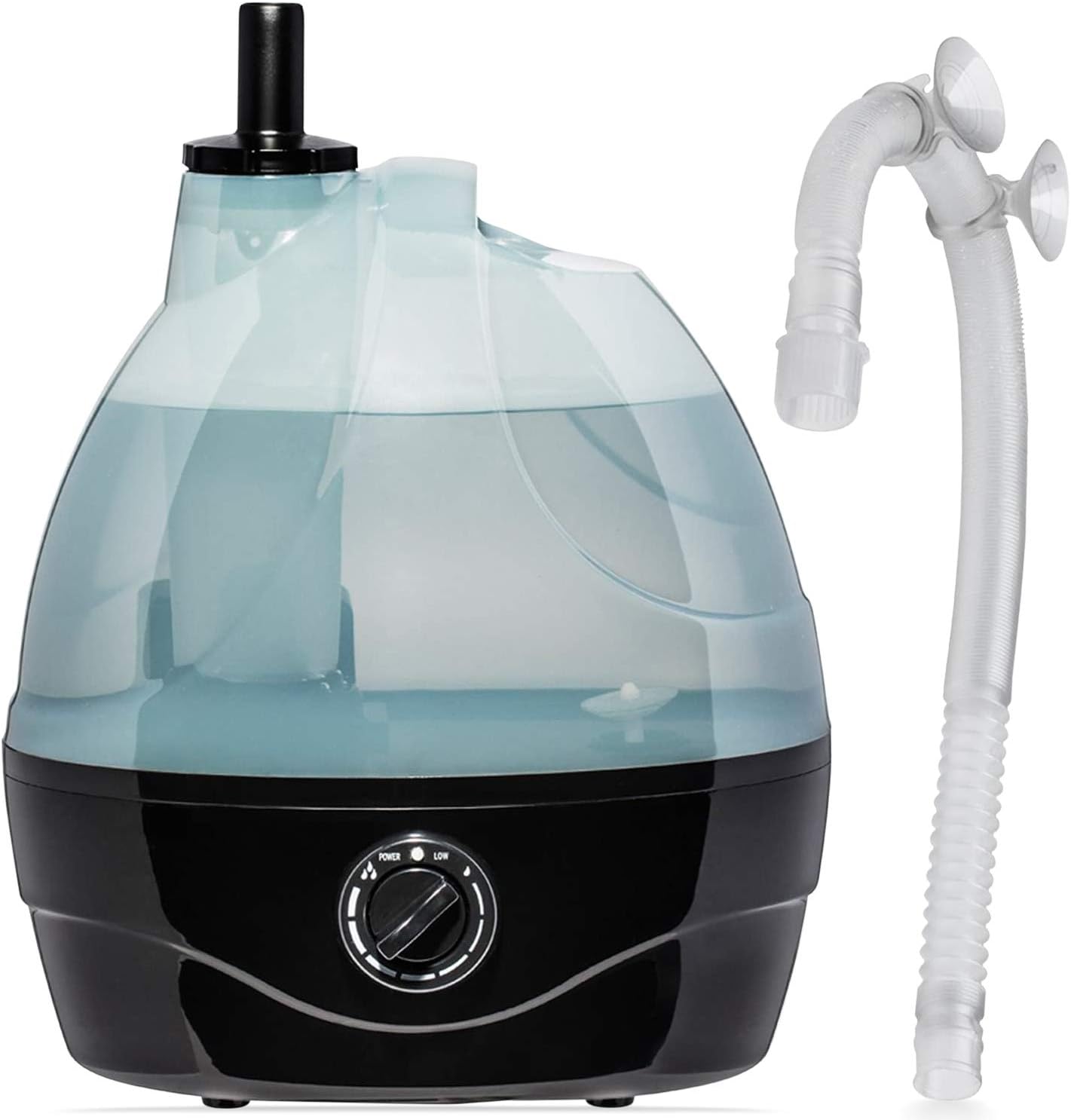

LaBrinx Designs
LaBrinx Designs Extra Large Wide Hanging Turtle Ramp - Aquatic Reptile Basking Platform
See current price


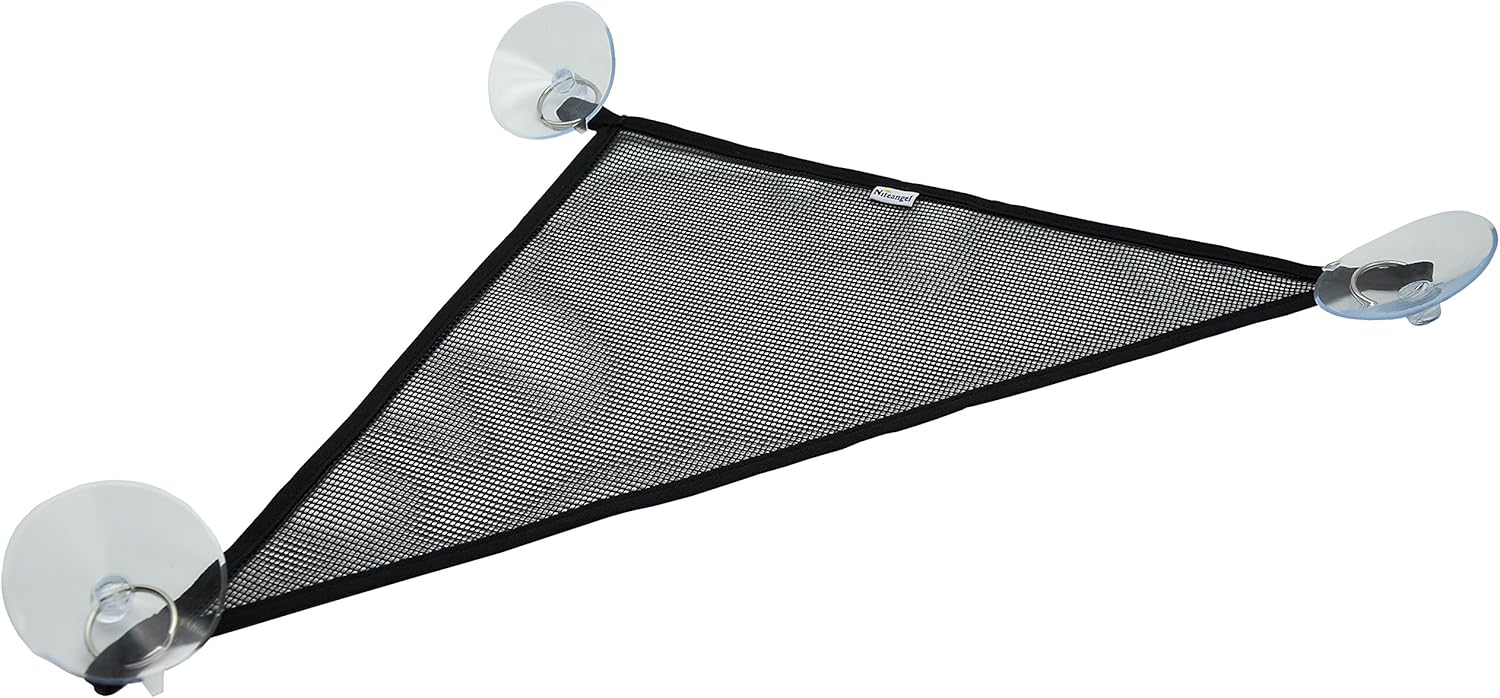
Niteangel
Niteangel 2 Packs Breathable Mesh Reptile Hammock (Triangle 13'' x 13'' x 19'', Black)
See current price


Rolf C. Hagen (USA) Corp.
Exo Terra Glass Terrarium Kit, for Reptiles and Amphibians, Nano, 8 x 8 x 8 inches, PT2599A1
See current price


Penn-Plax
Penn-Plax New World Habitat - Assorted Colors - Medium Size - Great for Small Animal Care (PEN-208)
See current price
Popular brands in Terrariums
A terrarium is the foundation of a reptile or amphibian habitat. The right enclosure should provide enough usable space, dependable ventilation, secure access and a practical setup for heating, lighting, substrate and décor.
K-Catalog lists terrariums from brands including Zoo Med, Exo Terra, REPTI ZOO, Penn-Plax and Zilla, along with options from Croci, Kathson, CAROLINA CUSTOM CAGES, PINVNBY, OMEM, MAIMASHI and BETAZOOER. Compare the listed specifications and features to find an enclosure that fits both the animal and the rest of the habitat.
How to choose a terrarium
Start with the needs of the species rather than the appearance of the enclosure. Consider the animal’s adult size, movement patterns, climbing or burrowing behavior, and whether it requires a particularly humid, dry or well-ventilated environment. The enclosure should leave room for natural movement and essential habitat equipment without becoming difficult to maintain.
Important questions to ask include:
- Is the interior large enough for the animal and its habitat furnishings?
- Does the ventilation design suit the required humidity level?
- Is the opening secure and easy to use for feeding and maintenance?
- Can the enclosure accommodate heating, lighting, hides, branches or plants?
- Will the material and construction work in the intended location?
For broader habitat planning, browse Reptiles & Amphibians and compare compatible supplies alongside the enclosure.
Terrarium styles and layouts
Terrariums can differ considerably in orientation and intended use. Front-opening designs may make feeding, cleaning and arranging décor more convenient, while top-opening enclosures can suit setups where access from above is practical. Vertical layouts are often useful for climbing species, while wider designs may better support animals that spend more time on the ground.
Glass enclosures offer clear visibility and are commonly chosen when observing the habitat is a priority. Other construction materials may provide different weight, insulation or durability characteristics. Check the product specifications carefully for the enclosure material, door arrangement, ventilation panels and included hardware rather than choosing by appearance alone.
Features and specifications to compare
Dimensions and usable space: Compare the exterior and interior measurements when they are provided. Account for the space occupied by substrate, hides, bowls and other furnishings. Also check whether the enclosure will fit securely on its intended stand or surface.
Ventilation: Look at the position and style of vents. Ventilation affects airflow and humidity management, so it should match the species and the planned heating or misting setup.
Access and security: Review the door style, locking method and panel configuration. A secure closure helps prevent escapes, while accessible doors can simplify routine care. If the enclosure will be used for a small or active animal, pay close attention to gaps and fastening details.
Equipment compatibility: Check whether the terrarium has suitable provisions for lamps, mats, cables or other equipment. Heating and lighting products should be selected separately and used according to their instructions. Related options include Terrarium Heat Lamps & Mats and Habitat Lighting.
Assembly and maintenance: Determine whether the enclosure requires assembly and whether panels, doors and removable components can be cleaned conveniently. A design that allows regular access may be easier to maintain over time.
Complete the habitat
An enclosure is only one part of a suitable habitat. Choose substrate according to the animal’s needs and the planned humidity, drainage and cleaning routine. Compare Terrarium Bedding, Sand & Substrate before adding furnishings.
Décor can provide cover, climbing opportunities and visual structure. Review Habitat Décor for hides, branches and other additions, and consider Terrarium Bowls for appropriately placed food and water containers. Species-appropriate Food is another essential part of the setup.
Arrange equipment so the animal has usable space and so cords, lamps and heated surfaces cannot be disturbed. Keep electrical components away from water and follow the care guidance for every accessory used inside or above the enclosure.
Brands in the catalog
The terrarium selection includes Zoo Med, Exo Terra, REPTI ZOO, Penn-Plax, Zilla, Croci, Kathson, CAROLINA CUSTOM CAGES, PINVNBY, OMEM, MAIMASHI and BETAZOOER. Comparing several brands can help shoppers identify differences in enclosure layout, access, ventilation, included components and available sizes. Brand familiarity should not replace checking the specifications for the particular product.
Frequently asked questions
What size terrarium should I choose?
Choose an enclosure based on the animal’s adult size, behavior and habitat requirements, while leaving room for substrate, furnishings and equipment. Follow species-specific care guidance when determining the minimum suitable space.
Is glass or another material better for a terrarium?
Neither material is right for every setup. Compare visibility, weight, durability, insulation, ventilation and cleaning needs, then match those characteristics to the animal and placement area.
Does every terrarium include heating and lighting?
Not necessarily. Check the individual product description for included components and compatibility. Heating and lighting may need to be selected separately.
How important is ventilation?
Ventilation helps manage airflow and humidity. The appropriate design depends on the species and the planned habitat, so compare vent placement and construction before choosing.
What should go inside a terrarium?
The setup may include suitable substrate, hides, décor, bowls, heating and lighting. Select each item for the animal’s care requirements and confirm that it fits safely within the enclosure.