

Terrarium Heat Lamps & Mats
Compare terrarium heat lamps and mats for reptiles and amphibians by heating method, enclosure fit, controls, and safety features.
326 products in catalog
326 results
Filters


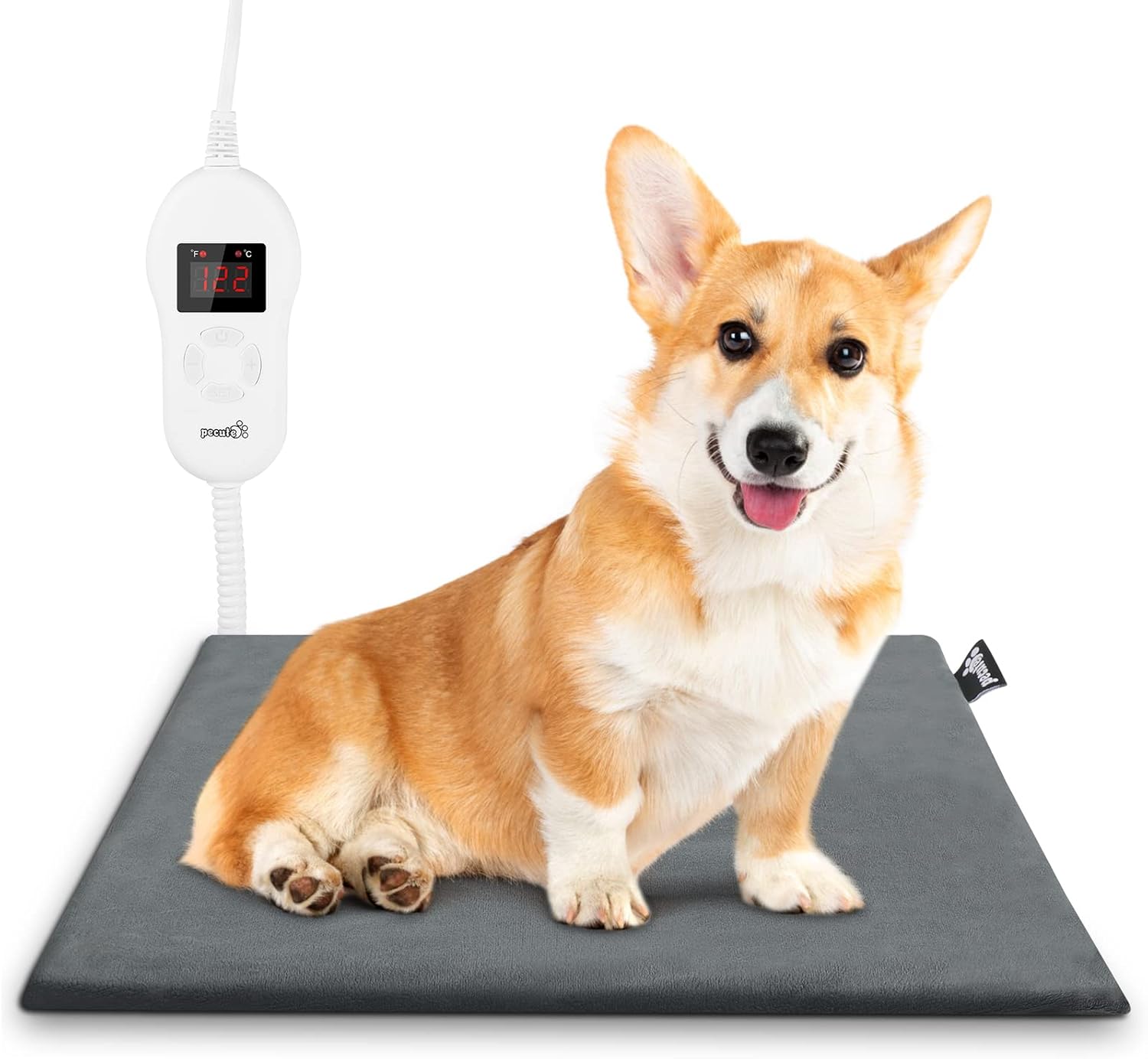

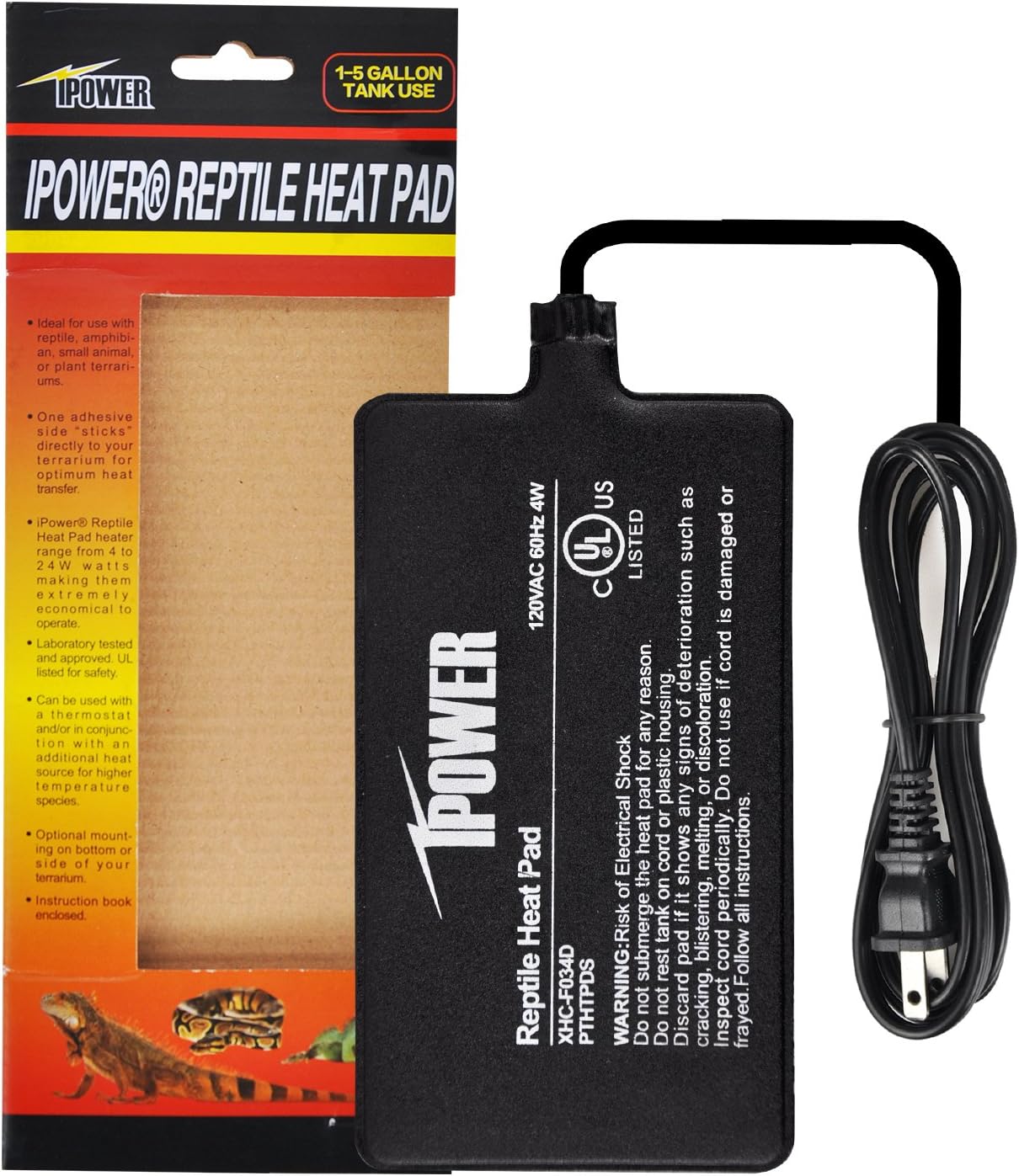
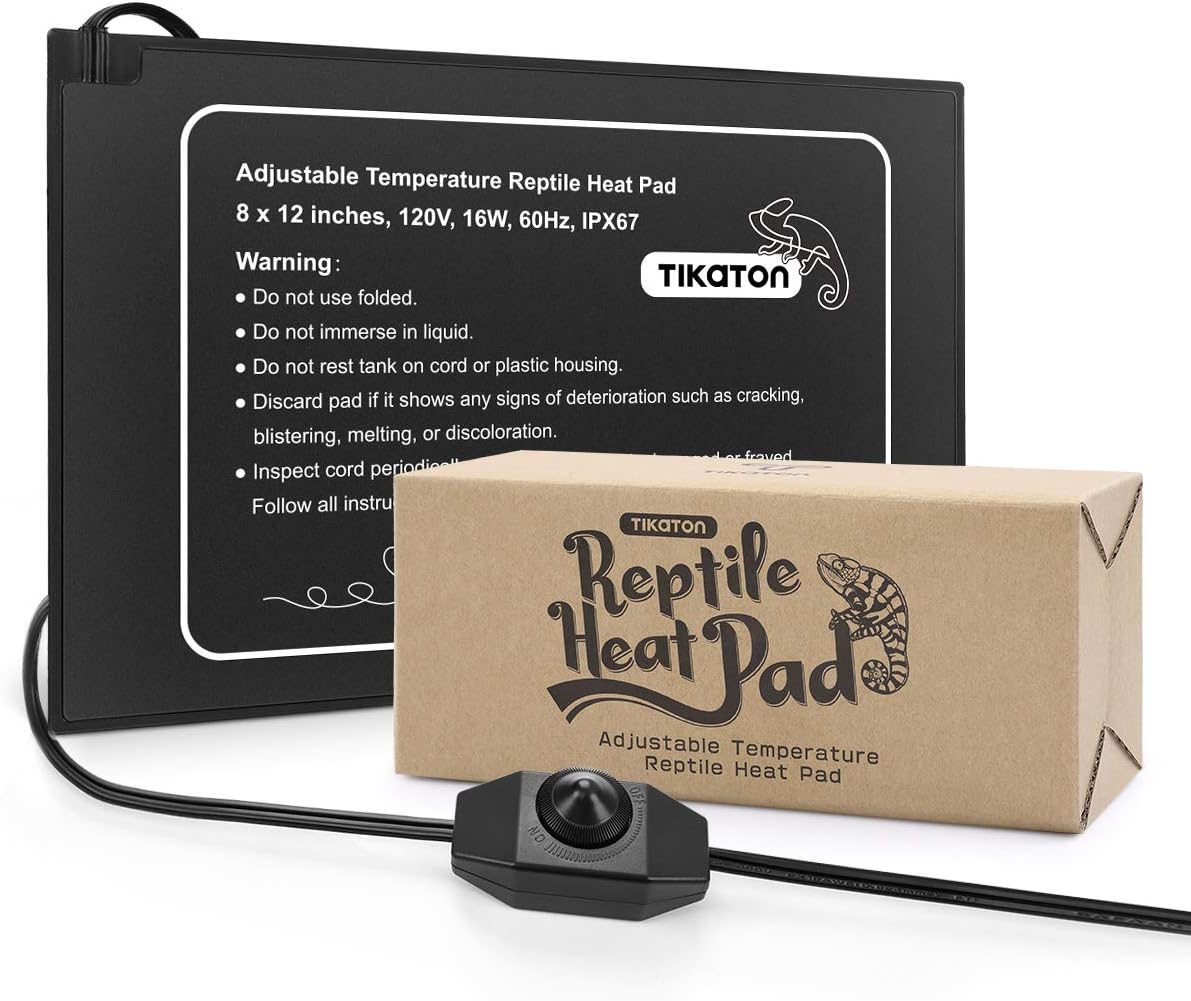


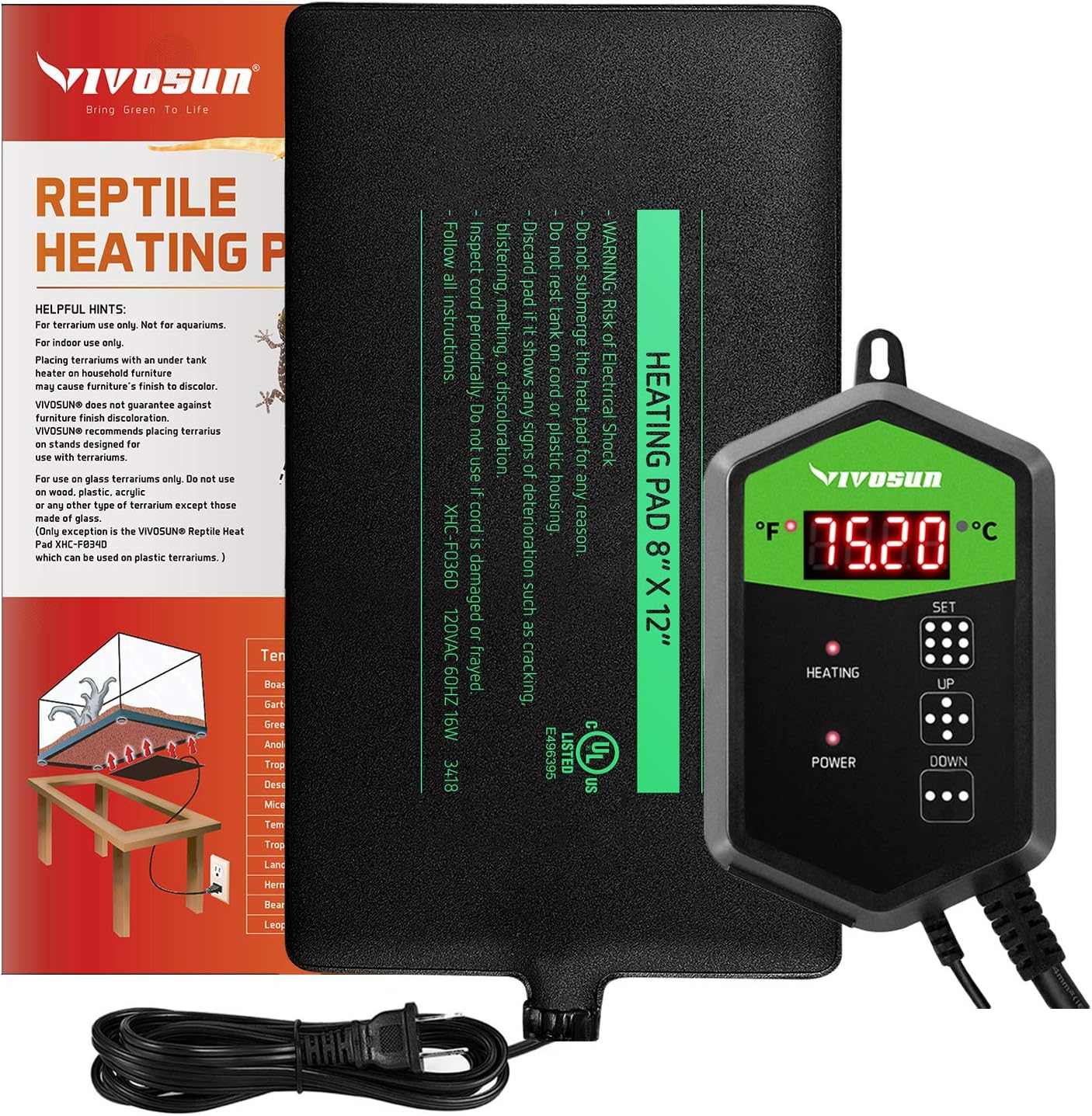


Exo Terra
Exo Terra Lamp Holder Bracket for Reptiles, Multicolor, 1 Count (Pack of 1)
See current price


Popular brands in Terrarium Heat Lamps & Mats
Choosing the right terrarium heater helps create a more suitable environment for reptiles and amphibians. Heat lamps provide overhead warmth, while heat mats warm a surface or part of the enclosure. The best choice depends on the animal, terrarium design, ventilation, substrate, and the temperature zones you need to maintain.
K-Catalog brings together habitat-heating products from brands represented in the catalog, so shoppers can compare specifications and features before checking the current listing on Amazon. For broader habitat supplies, browse Reptiles & Amphibians.
How to choose terrarium heating
Start with the species’ care requirements and the enclosure’s dimensions and construction. A suitable setup should allow a warmer area and a cooler area rather than heating the entire habitat uniformly. This gives the animal room to move between temperatures.
Consider where the heat should come from:
- Overhead heat lamps can warm the air and create a basking area from above.
- Heat mats provide low-profile warmth through or beneath a compatible surface.
- A combined setup may be appropriate when both air temperature and surface warmth need attention, provided the equipment is installed and controlled safely.
The enclosure’s top, ventilation, access points, and available electrical connections also affect which products will fit. Check the product specifications and installation instructions rather than assuming every lamp or mat works with every terrarium.
Heat lamps and heat mats compared
Heat lamps are often useful when a reptile needs a defined basking area. They generally require an appropriate fixture, a secure mounting position, and enough clearance from the animal and enclosure materials. The lamp should not be able to fall into the habitat, and the setup should prevent direct contact with the hot element.
Heat mats are slim and can be useful where overhead space is limited. They may be positioned beneath or alongside an enclosure depending on the product design and habitat material. They are not automatically suitable for every substrate, glass thickness, or enclosure style, so review the manufacturer’s placement guidance carefully.
A heat source is not the same as general habitat illumination. If the enclosure also needs visible or specialized lighting, compare products in Habitat Lighting separately.
Key specifications and features to compare
When reviewing listings, pay close attention to the following details:
- Heating method: Determine whether the product is an overhead lamp, a mat, or part of a fixture-and-heater setup.
- Heat output and power requirements: Match the product to the enclosure and the animal’s care needs. Higher output is not automatically better.
- Dimensions and coverage: Mats should fit the intended area, while lamps need a suitable position above the habitat.
- Temperature control: A compatible thermostat or controller can help regulate heating and reduce the risk of excessive temperatures. Confirm compatibility before purchase.
- Fixture and socket compatibility: For lamps, check the required fixture type, rated capacity, and mounting arrangement.
- Cord placement and controls: Look for practical cable routing, accessible switches, and controls that can remain outside the enclosure when required.
- Construction and installation: Review materials, mounting hardware, protective features, and whether a separate fixture or guard is needed.
Use a reliable thermometer to check the warm and cool areas after installation and whenever the setup changes. The temperature at the animal’s actual resting surface can differ from the temperature elsewhere in the habitat.
Brands represented in the catalog
The catalog includes terrarium-heating products from Zoo Med, OMAYKEY, REPTI ZOO, Simple Deluxe, WUHOSTAM, Zilla, Pecute, Fluker's, Aiicioo, FIVEAGE, Croci, and IPower. Compare each listing by its stated specifications, included components, compatibility information, and care instructions rather than choosing by brand name alone.
Installation and safety tips
Place heating equipment so the animal cannot pull it down, touch an exposed hot surface, or become trapped against a heated area. Keep cords and controls protected from moisture, and follow the product’s clearance and ventilation instructions.
For a heat mat, confirm whether it is designed for the planned placement and whether a thermostat is recommended or required. For a heat lamp, use a stable fixture and consider a protective guard when the enclosure design or animal behavior makes contact possible. Recheck temperatures after changing bedding, décor, ventilation, or enclosure position.
The heater is only one part of a complete habitat. Choose an appropriately sized Terrarium, then consider Terrarium Bedding, Sand & Substrate, Habitat Décor, and Terrarium Bowls to complete the environment. Species-appropriate Food is also essential to routine care.
Frequently asked questions
Are heat lamps and heat mats interchangeable?
No. Lamps provide overhead heat and can create a basking zone, while mats provide localized surface or under-enclosure warmth. The suitable option depends on the species and habitat design.
Does a heat mat need a thermostat?
A thermostat may help regulate the mat and limit overheating, but compatibility varies by product. Check the manufacturer’s instructions and the thermostat’s supported load before connecting equipment.
Can a heat lamp be placed inside a terrarium?
Placement depends on the enclosure and the specific fixture. Follow the product’s clearance, mounting, ventilation, and protection requirements, and prevent the animal from contacting the hot element.
How should terrarium temperatures be checked?
Measure temperatures in the areas the animal uses, including the warm zone and the cooler zone. Recheck after installation and after changing substrate, décor, ventilation, or equipment placement.
Do heating products replace habitat lighting?
Not necessarily. Some heating products may provide visible light, but heating and lighting serve different purposes. Review the animal’s care requirements and compare dedicated lighting products separately.