

Terrarium Bedding, Sand & Substrate
Compare terrarium bedding, sand and substrate by material, texture, moisture retention and habitat needs. Use the listed specifications to narrow options for your reptile or amphibian.
117 products in catalog
117 results
Filters

Fluker's
Fluker All Natural Premium Sand Substrate Mixture for Hermit Crabs Pack of 2 66027-2p
See current price

Central Garden & Pet
Zilla Reptile Terrarium Floor Liners Green 15/20H/30X Gallon, 11.75" x 23.5"
See current price


Central Garden & Pet
Zilla Reptile Pet Terrarium Floor Liners Brown 30BR/40BR/50/65 Gallon, 17.25" x 35.25"
See current price


Central Garden & Pet
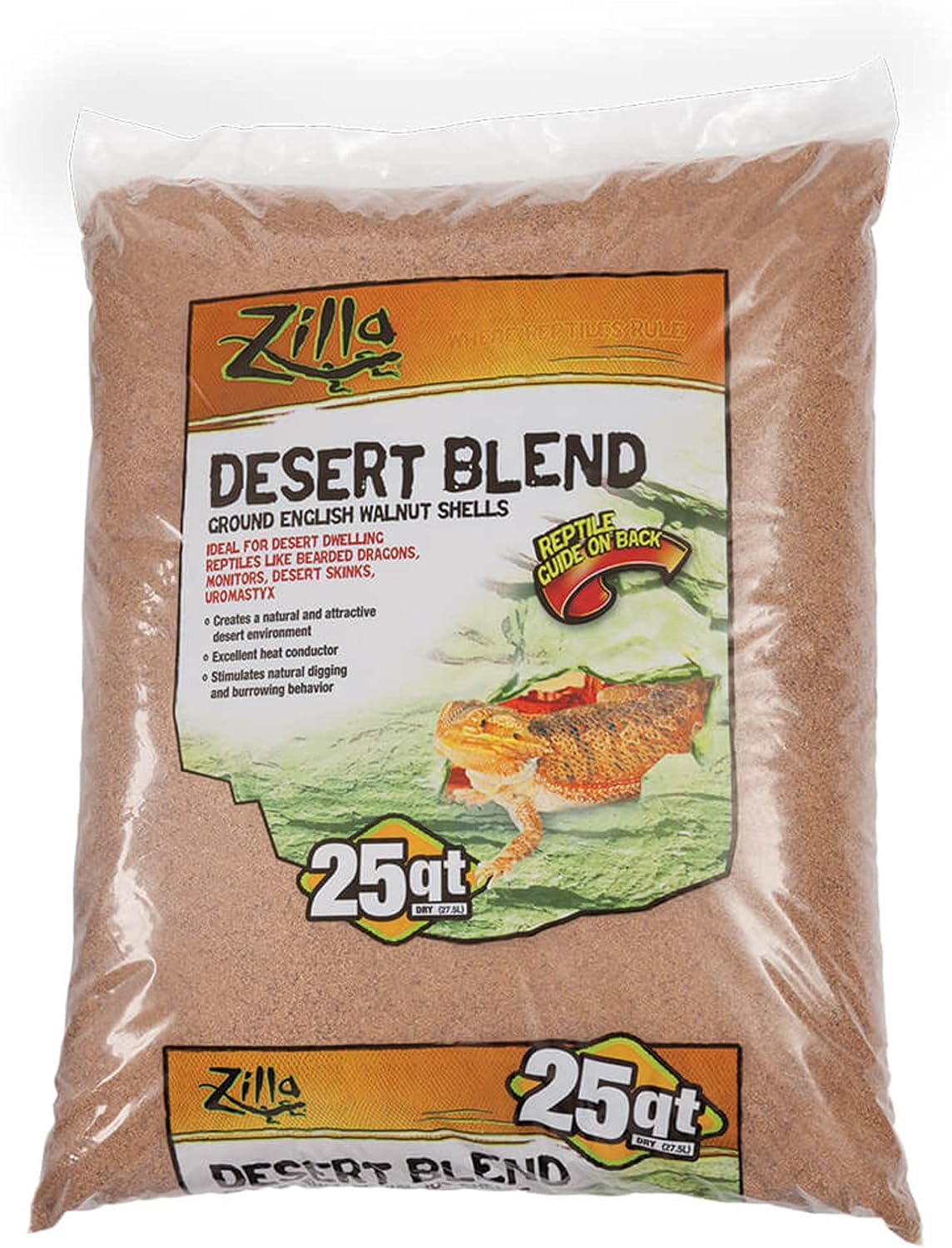
Zilla 11763 Ground English Walnut Shells Desert Blend, 25-Quart Bag,Black
See current price




Zoo Med
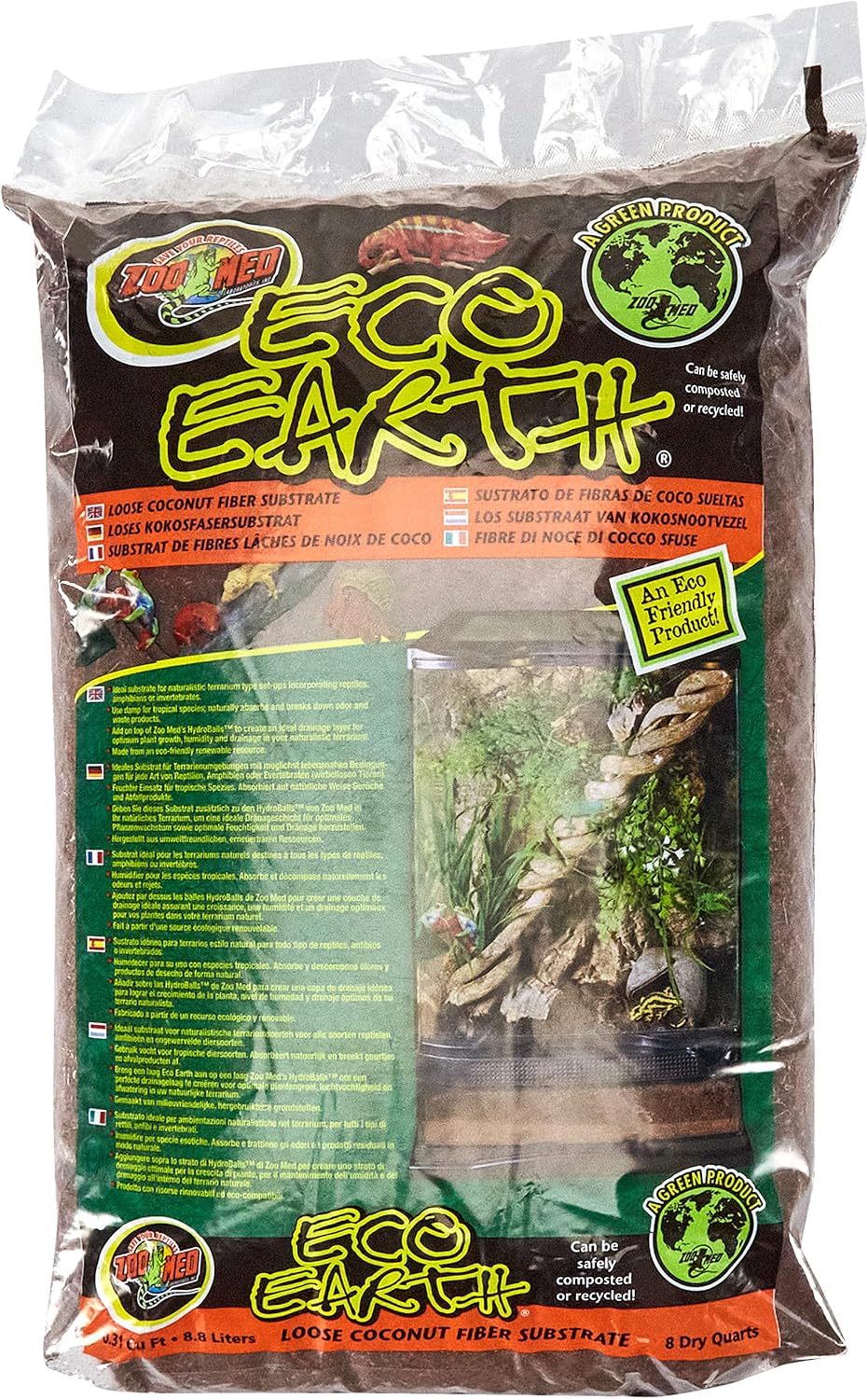
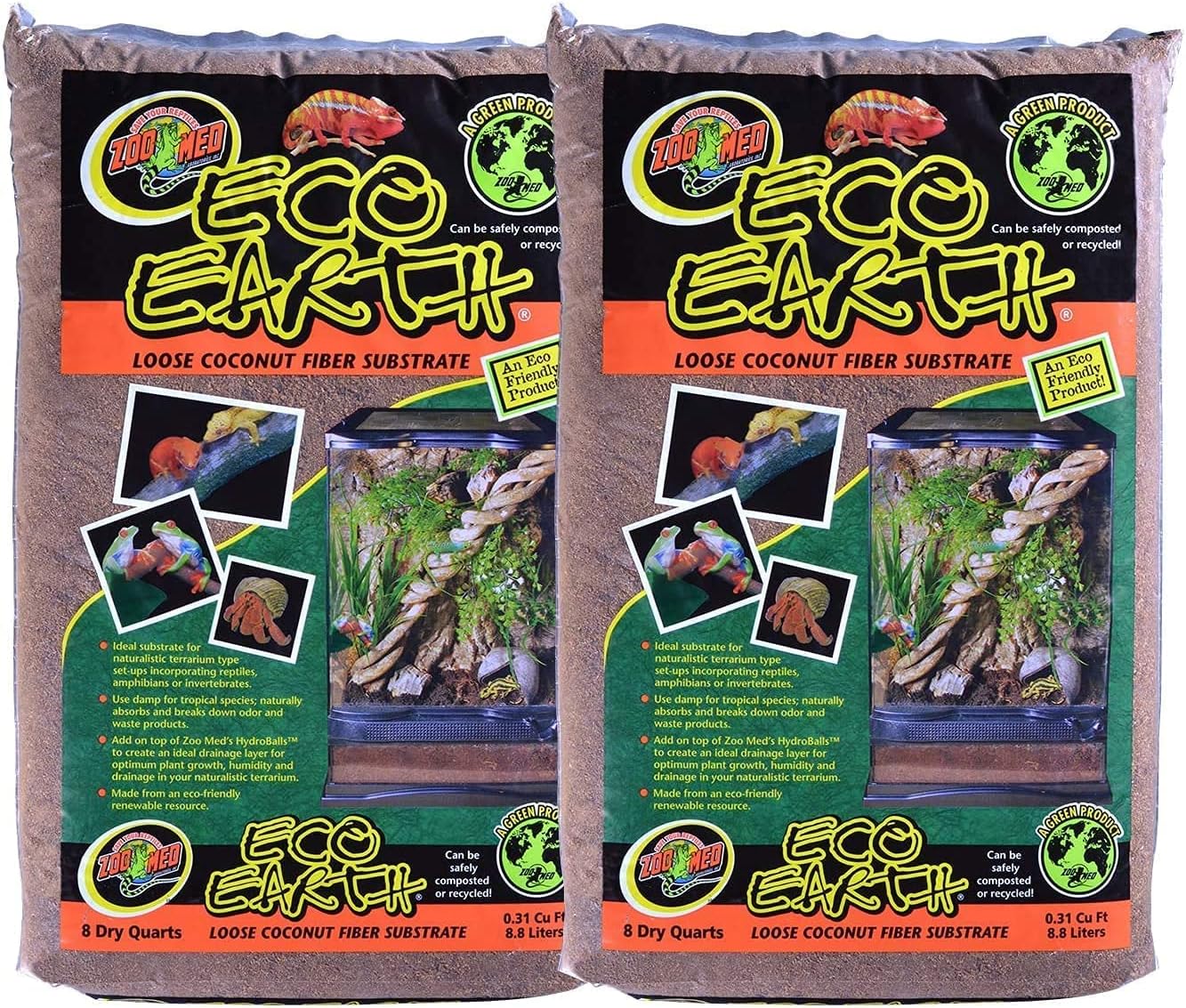
Zoo Med (2 Pack) Eco Earth Loose Coconut Fiber Substrate for Reptiles 8 quarts
See current price

Exo Terra
Exo Terra Moss Ball, Water Clarity and Odor Control for Aqua-Terrariums, PT2478 , White
See current price


Zoo Med Laboratories
Zoo Med Laboratories SZMCF25 New Zealand Sphagnum Moss, .33-Pound,Black
See current price

Central Garden & Pet
Zilla Pet Reptile Terrarium Substrate Bedding, Coconut Husk Brick, for Chameleons, Rainforest Geckos, Frogs & Toads, 1.43 lb.
See current price
Popular brands in Terrarium Bedding, Sand & Substrate
Choosing the right terrarium substrate affects more than appearance. Bedding can help manage moisture, support natural behaviors such as burrowing, and make routine habitat maintenance easier. The best option depends on the species, enclosure design, humidity requirements and whether loose material is appropriate.
Use this catalog to compare materials and product specifications before visiting Amazon for current availability and purchasing details. For more habitat supplies, browse the broader Reptiles & Amphibians category.
How to choose terrarium substrate
Start with the care requirements of the animal rather than choosing based only on color or texture. Check a trusted husbandry guide for the species and consider these factors:
- Moisture needs: Some habitats require a substrate that holds humidity, while others need a dry, fast-draining surface.
- Texture: Particle size and texture can affect comfort, burrowing behavior and how easily the bedding can be removed.
- Ingestion risk: Loose substrates may be unsuitable for some animals or feeding setups. Consider whether the animal could accidentally consume the material.
- Cleaning routine: Look for bedding that fits the enclosure size and your preferred spot-cleaning or replacement schedule.
- Habitat layout: Substrate depth, décor, hides and water containers all need to work together without creating unstable areas.
When the animal’s needs are uncertain, species-specific care guidance or advice from a qualified exotic-animal professional can help determine which substrate types to consider.
Common substrate types
Sand
Sand creates a natural-looking desert or arid habitat and is available in different textures and colors. Compare whether a product is intended for terrarium use, how fine or coarse the particles are, and whether the material is suitable for the animal’s care requirements. Sand may not be appropriate for every species or feeding arrangement.
Soil and earth-based blends
Soil-style substrates can support planted or forest-like displays and may help retain moisture. Compare the listed ingredients, texture, drainage characteristics and recommended use. Avoid assuming that ordinary outdoor soil or potting soil is suitable, since additives and contaminants may be a concern.
Bark, wood and chip substrates
Bark and wood-based bedding can provide a natural appearance and may suit certain humid or terrestrial setups. Review the material type, chip or particle size, dust information and intended habitat. The substrate should not interfere with feeding, movement or ventilation.
Coconut fiber and other moisture-retaining materials
Coconut-based fiber and similar materials are often considered for habitats where humidity management matters. Compare how the product is supplied, its texture when prepared, and whether it is designed for the enclosure and animal in question. Moisture-retaining bedding should still be paired with appropriate ventilation and regular monitoring.
Features and specifications to compare
Product labels and listings can vary, so look closely at the details rather than relying on the product name alone. Useful specifications include:
- Material or blend composition
- Particle, chip or fiber texture
- Intended habitat type or animal use
- Moisture retention and drainage properties
- Dust-related information
- Preparation requirements, such as whether the material needs hydration
- Packaging format and storage instructions
- Guidance for replacement, spot cleaning or disposal
The amount of substrate needed depends on the enclosure footprint and desired depth. Measure the available space before choosing a package, and allow room for hides, décor, feeding areas and bowls. A substrate that looks suitable in a listing may not be practical if it makes the enclosure difficult to clean or reduces usable space.
Brands represented in the catalog
This category includes products from Zoo Med, Zoo Med Laboratories, Zilla, Josh's Frogs, ReptiChip LLC, Exo Terra, Central Garden & Pet, Galapagos, TopDawg Pet Supply, Hamiledyi, BLSMU and Luffy Pets Collection. These brands are represented in the catalog for comparison; review each listing’s material details, intended use and care instructions individually rather than choosing by brand name alone.
Substrate is only one part of a complete enclosure. Compare Terrariums for the habitat itself, Habitat Décor for hides and natural-looking additions, and Terrarium Bowls for compatible feeding or water equipment. Temperature and lighting should also be evaluated through Terrarium Heat Lamps & Mats and Habitat Lighting. Species-appropriate Food is another essential part of the setup.
Setup and maintenance tips
Follow the product’s preparation instructions and introduce bedding to a clean, suitably ventilated enclosure. Keep food and water areas as clean as possible, remove visibly soiled sections promptly, and monitor odor, dampness and mold. Replace the substrate according to the animal’s needs and the manufacturer’s guidance.
Watch how the animal interacts with the bedding after setup. Changes in appetite, activity, shedding or general behavior can warrant a review of the habitat conditions and consultation with an exotic-animal veterinarian. Never use a substrate simply because it looks natural if it conflicts with the animal’s care requirements.
Frequently asked questions
What is the best substrate for a terrarium?
There is no universal best option. Choose based on the species, humidity, temperature, behavior, feeding method and the enclosure’s ventilation and cleaning requirements.
Is sand suitable for every reptile or amphibian?
No. Sand may fit some arid habitat designs, but its suitability depends on the animal and how feeding is managed. Check species-specific care guidance before using it.
How deep should terrarium bedding be?
Depth depends on the animal’s behavior and the type of substrate. Follow reliable husbandry guidance, then make sure the enclosure still has stable décor, usable floor space and accessible food and water.
How often should substrate be changed?
The schedule varies by material, animal and enclosure conditions. Spot-clean soiled areas as appropriate and follow the product instructions while monitoring moisture, odor and cleanliness.
Can regular garden or potting soil be used in a terrarium?
Do not assume it is safe. Garden and potting soils may contain additives, fertilizers or contaminants. Compare products intended for terrariums and verify that the material suits the species.