
Exo Terra
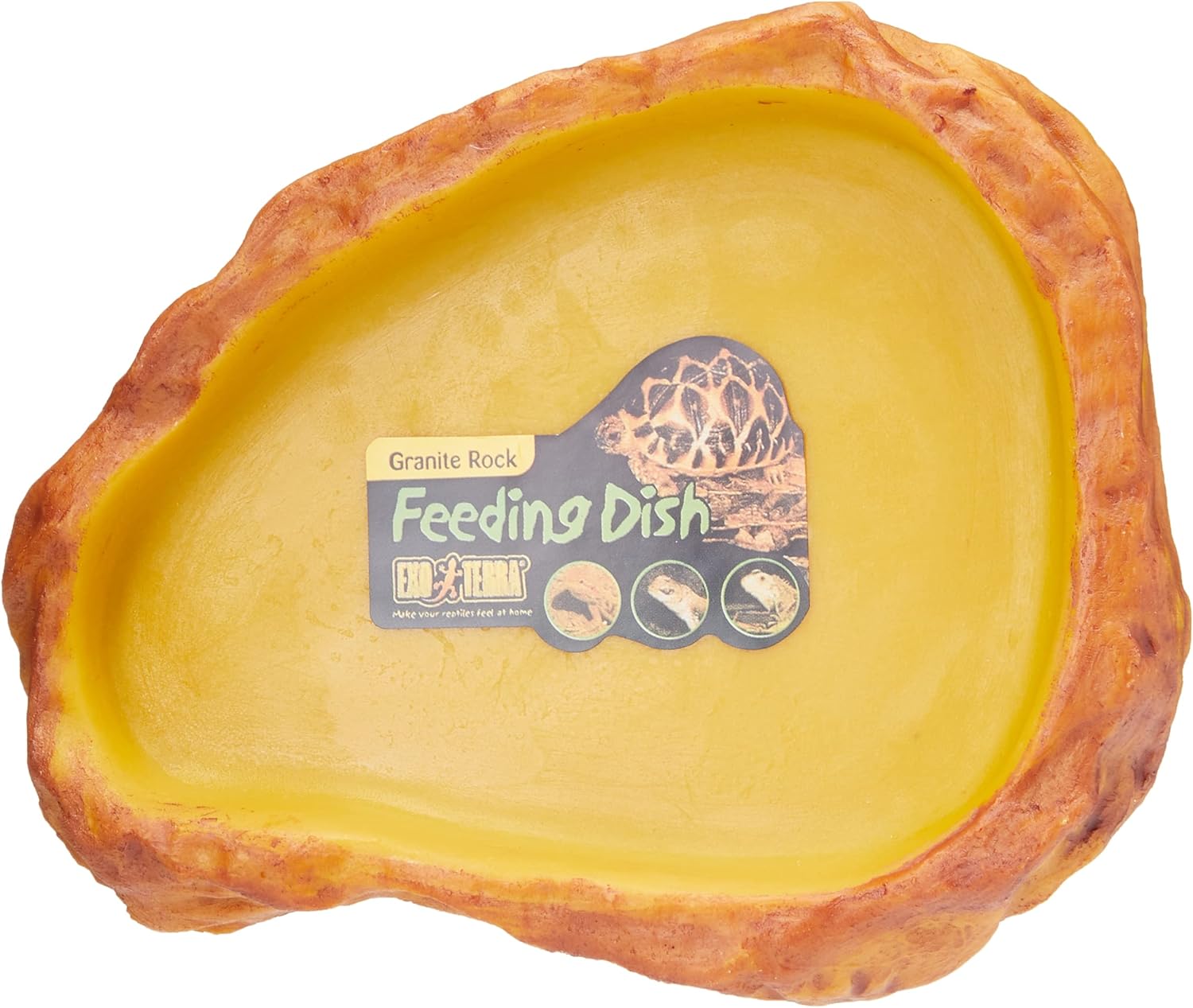
Exo Terra Water Dish, Water Bowl for Reptiles, X-Large, Flavorless, 1 pounds
See current price

Compare terrarium bowls by size, stability, cleaning needs, and habitat fit. Find food and water dishes suited to your reptile or amphibian setup.
81 products in catalog
81 results
Exo Terra
See current price

Zoo Med
See current price





Fluker's
See current price


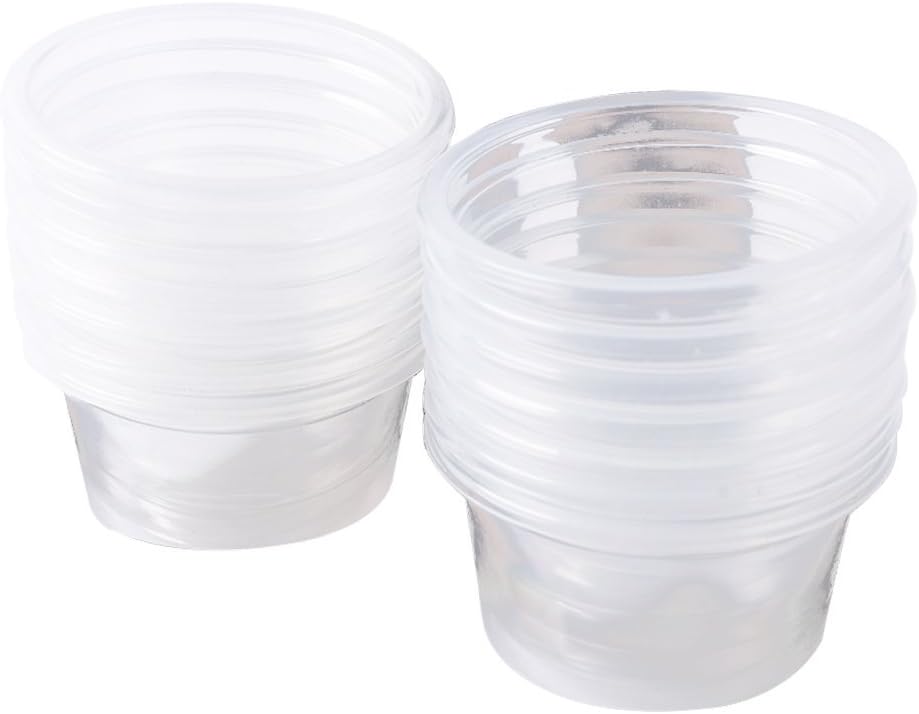
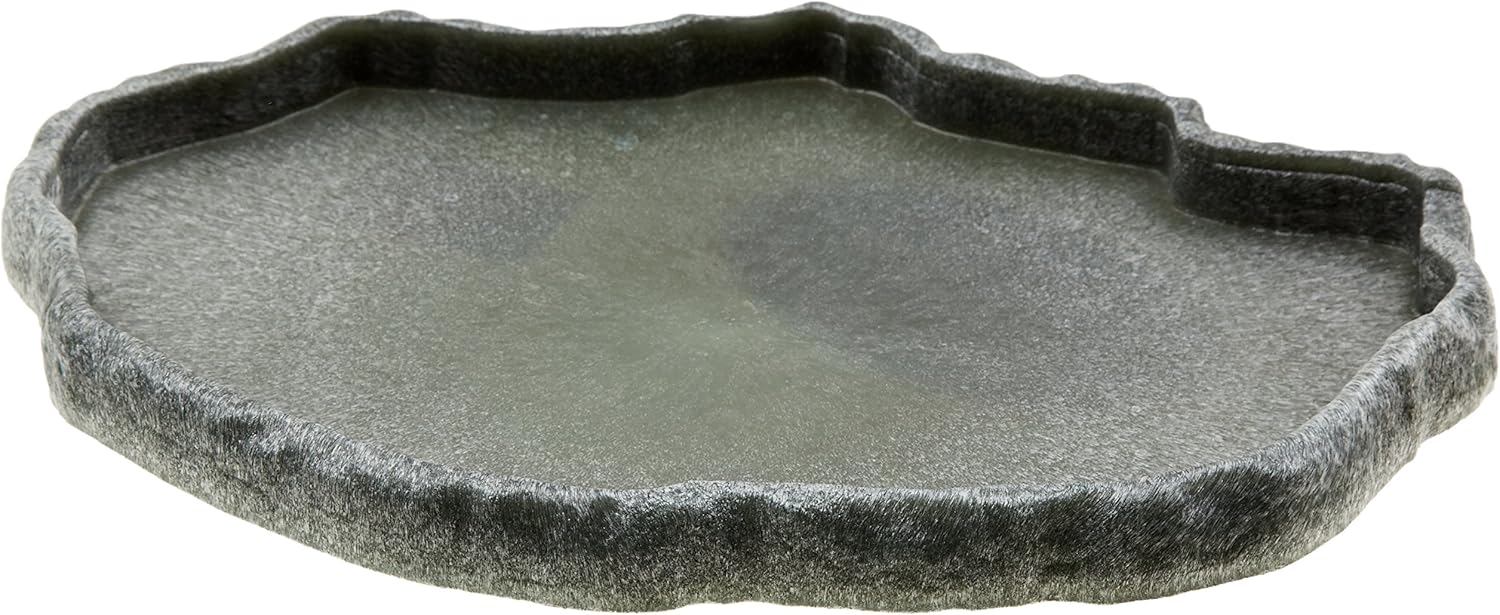
Terrarium bowls provide a dedicated place for drinking water, feeding, or both. The right dish should suit the animal’s size and habits while fitting securely into the enclosure without making movement, cleaning, or substrate maintenance difficult.
K-Catalog helps shoppers compare product specifications and features across terrarium bowls before visiting Amazon for the latest product information. Consider the bowl’s dimensions, material, shape, and placement alongside the rest of the habitat.
Start with the animal and its enclosure rather than choosing by appearance alone. A bowl for a small terrestrial reptile may need a compact footprint, while a larger animal or a shared habitat may require more capacity and a wider opening. Amphibians can have different moisture and access needs, so the dish should be easy to reach without creating unnecessary obstacles.
Important considerations include:
The bowl should also be easy for the keeper to remove and refill. Convenient access matters when water needs frequent replacement or food residue must be cleared promptly.
Terrarium bowls vary more by shape, finish, and intended use than by formal subcategory. Simple feeding dishes are often practical for dry or prepared foods and can be easy to position in a compact habitat. Water dishes typically benefit from a stable base and an opening that allows comfortable drinking.
Naturalistic bowls are designed to blend with rock, stone, or earth-toned habitat décor. They may suit enclosures where visual consistency matters, but examine crevices and surface texture carefully because decorative details can make cleaning more involved. Plain bowls may be the better fit when quick maintenance is the priority.
For a broader setup, compare bowls with the enclosure in Terrariums, then coordinate the placement with Habitat Décor. The surrounding Terrarium Bedding, Sand & Substrate can affect stability and how easily spilled water or food is managed.
Product dimensions are among the most useful specifications. Check the exterior footprint, height, opening size, and internal depth against the enclosure and the animal’s access needs. A bowl that looks compact in a listing may still occupy important floor space once placed inside the habitat.
Material and finish also deserve attention. A smooth interior can simplify routine cleaning, while a textured exterior may provide a more decorative appearance. Review care instructions and look for construction details that could trap food, waste, or damp substrate.
Other useful comparisons include:
Do not overlook the bowl’s position relative to heat and light. Water may evaporate more quickly in a warm area, while a dish placed beneath equipment may interfere with the habitat’s intended temperature or lighting arrangement. Review Terrarium Heat Lamps & Mats and Habitat Lighting when planning the complete enclosure.
The Terrarium Bowls catalog includes products from SLSON, Zoo Med, Exo Terra, Tfwadmx, Fluker's, REPTIZOO, OMEM, Boao, Zoo Med Laboratories, Orchid Valley, pranovo, and Pangea. These listings can be compared by their stated dimensions, materials, design details, and intended use rather than by brand name alone.
A familiar-looking design is not automatically the right match for every habitat. Use the product specifications to confirm that the bowl suits the enclosure, animal, and maintenance routine.
Place the bowl on a level, stable surface where the animal can approach it without climbing over unnecessary obstacles. If loose substrate surrounds the dish, check it regularly for contamination and shifting. A stable location also helps prevent spills that can create damp areas or affect the substrate.
Clean the bowl according to the product’s care guidance and the needs of the animal. Remove uneaten food and visibly contaminated water promptly. Inspect the surface during cleaning for chips, sharp edges, difficult-to-clean cracks, or other changes that could affect safe use.
For feeding-focused habitats, keep the bowl’s location convenient for removing leftovers. For water use, make sure the dish can be refilled without disturbing hides, heating equipment, or lighting.
Many bowls can serve either purpose, but the best choice depends on the animal, food type, enclosure layout, and cleaning routine. Check the product description for its intended use.
Compare the bowl’s footprint, opening, height, and depth with the animal’s access needs and available enclosure space. It should be practical without crowding essential habitat features.
Not necessarily, but textured finishes and decorative crevices may require more attention than smooth surfaces. Review the construction and care guidance before choosing.
Use a stable, accessible location that does not obstruct movement or sit where spills could create problems. Consider how nearby heat, lighting, décor, and substrate will affect daily maintenance.
A complete setup may also require Food, suitable décor, bedding or substrate, heating, and lighting. Match each item to the animal and enclosure plan.