

Reptile & Amphibian Food
Compare food for reptiles and amphibians by species, ingredients, format, and feeding routine. Use the catalog to review product specifications before visiting Amazon.
331 products in catalog
331 results
Filters


Oxbow
Oxbow Animal Health Critical Care, Herbivore, Anise Flavor, 141 Gram Bag (70100)
See current price


TopDawg Pet Supply
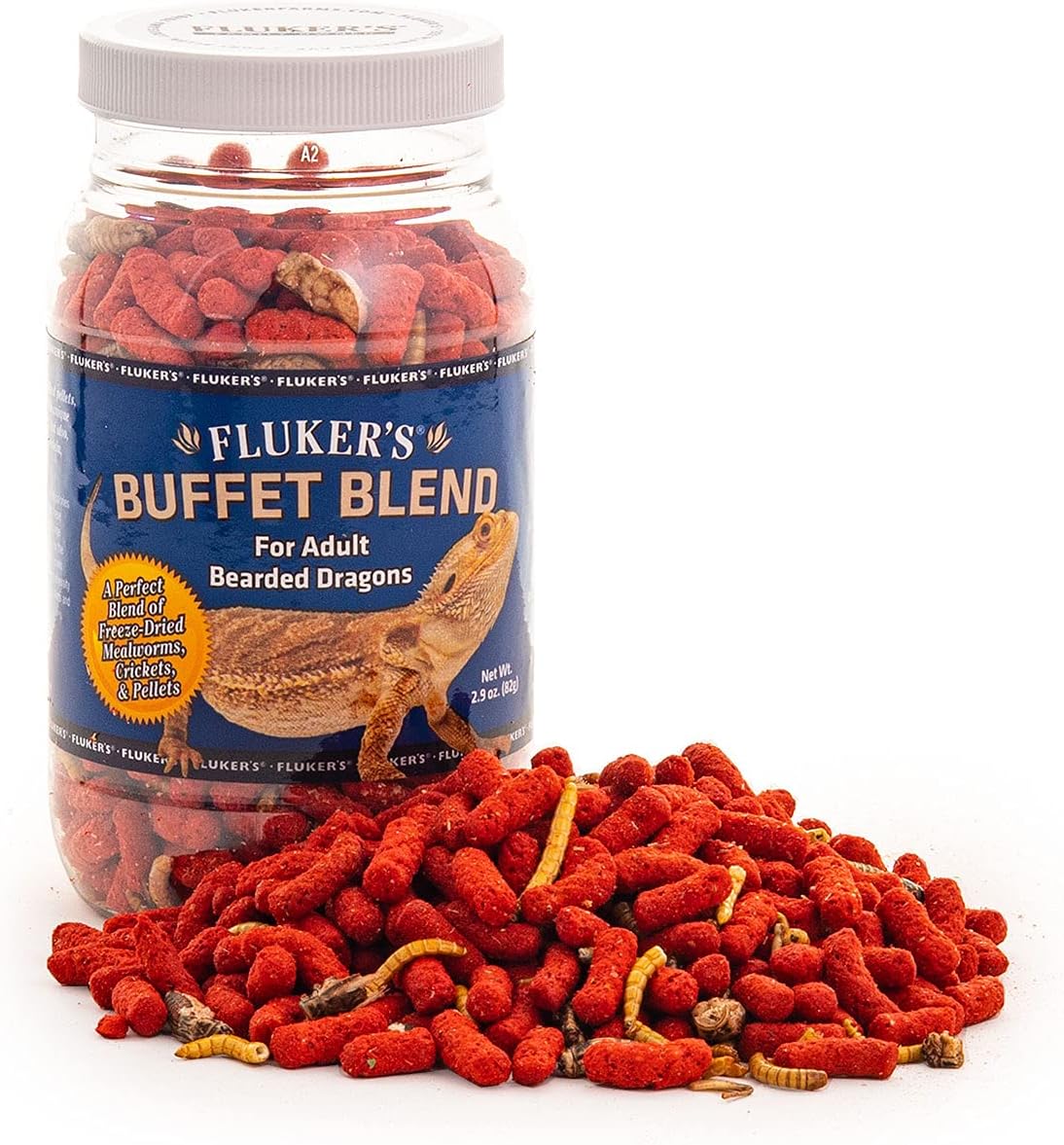
Fluker's Bearded Dragon Medley Treat Food Black 1.8 Ounce (Pack of 1)
See current price




TopDawg Pet Supply
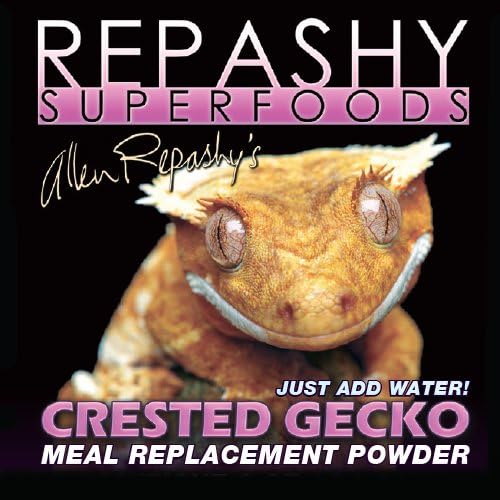
Fluker's Insectivore/Carnivore High AMP Boost Reptile Supplement, 50gm
See current price




Popular brands in Food
Choosing food for a reptile or amphibian starts with the animal’s species, age, size, and normal diet. A food suitable for a herbivorous tortoise may not work for an insect-eating lizard, while aquatic species can have different feeding requirements from terrestrial pets. This category brings together options to compare by ingredients, preparation, and intended use.
The Food category is part of Reptiles & Amphibians, alongside habitat equipment and accessories. Product pages can help you check the listed ingredients, feeding directions, package details, and compatibility information before clicking through to Amazon for current availability and price.
How to choose reptile and amphibian food
Start with the species and its established feeding pattern. Reptile and amphibian diets commonly fall into broad groups such as plant-based foods, animal-based foods, prepared formulas, and foods designed for aquatic environments. Always use the product’s stated intended species as a starting point rather than choosing only by the animal’s general size.
Consider these factors when comparing options:
- Diet type: Match the food with whether the animal primarily eats plants, insects, meat, or a combination.
- Life stage: Young, adult, and breeding animals may have different feeding considerations. Check the label for age or growth-stage guidance.
- Food format: Pellets, gels, powders, dried foods, canned foods, and live or preserved feeder options each require different storage and preparation.
- Portion and frequency: Follow the product directions and adjust feeding to the species, enclosure conditions, and guidance from a qualified reptile veterinarian.
- Ingredients and additives: Review the ingredient list, nutrient information, and any included vitamins or minerals to avoid duplicating supplements unnecessarily.
- Storage needs: Look for instructions about refrigeration, sealing, moisture, light, and use after opening.
Common food types to compare
Prepared diets are convenient for keepers who want a consistent food format and clear serving instructions. Pellets, powders, gels, and other formulated foods may be made for particular species or dietary patterns, so the product description and label are important when comparing them.
Dried or preserved foods can be useful for keeping a supply on hand. Compare the form of the food, rehydration instructions, storage requirements, and whether it is intended as a complete diet or as part of a varied feeding routine.
Feeder insects and similar animal-based foods should be evaluated by species suitability, size, handling requirements, and storage. If the animal eats insects, also consider how the food fits with any dusting, gut-loading, or supplementation routine recommended for that species.
Key specifications and features
Product specifications can reveal differences that are easy to miss from the product name alone. Check whether the food is labeled for a particular reptile or amphibian, and confirm that the texture or size is practical for the animal to eat safely.
For packaged foods, compare the ingredient panel, guaranteed analysis where provided, preparation directions, and serving guidance. For live or perishable options, look for handling and storage information. A product intended to be mixed with water may be a poor fit if the enclosure routine does not support regular preparation, while a dry format may be easier to store but still require careful portioning.
Packaging details also matter. Review the container type, resealing features, and instructions for keeping the food fresh. Avoid relying on package appearance alone; the intended species and feeding directions should guide the selection.
Brands represented in the catalog
The catalog includes products from Zoo Med, DBDPet, Fluker's, Josh's Frogs, Pangea, BASSETT’S CRICKET RANCH, TopDawg Pet Supply, Zilla, Dubia Roaches, Tetra, Nature Zone, and PicniKing. These brands may appear across different food formats and intended uses. Compare each individual product’s specifications rather than assuming that every item from a brand serves the same species or feeding purpose.
Coordinate food with the habitat
Food is only one part of a suitable enclosure routine. Feeding behavior can be affected by temperature, lighting, humidity, access to clean water, and the animal’s ability to reach its food comfortably. Related habitat categories can help you compare Terrarium Heat Lamps & Mats, Habitat Lighting, and Terrarium Bowls.
The enclosure itself and its interior setup also deserve attention. Browse Terrariums for housing options, Habitat Décor for climbing or hiding accessories, and Terrarium Bedding, Sand & Substrate for the enclosure base. Keep food and feeding tools clean, remove uneaten food as appropriate for the species, and follow the label’s hygiene and storage directions.
Frequently asked questions
How do I know which food is right for my reptile or amphibian?
Begin with the species’ normal diet and compare products labeled for that species or dietary group. Check ingredients, feeding directions, and life-stage guidance before choosing.
Is prepared food a complete diet?
Not necessarily. Some products are formulated as complete foods, while others are treats, supplements, or components of a varied routine. Check the product label for its intended role.
Should food size match the animal?
Yes. The food’s size and texture should be appropriate for the animal to eat safely. Confirm the manufacturer’s guidance and consider the animal’s age and physical size.
How should reptile or amphibian food be stored?
Storage depends on the format. Follow the package directions for sealing, refrigeration, moisture control, light exposure, and use after opening.
Can habitat conditions affect feeding?
Yes. Temperature, lighting, humidity, water access, and enclosure design can influence feeding behavior and food handling. Review the habitat requirements for the specific species as well as the food directions.