

Industrial Lubricants
Compare industrial lubricants by application, formulation, viscosity, and equipment compatibility. Use product specifications and features to narrow options for maintenance, protection, and smooth operation.
130 products in catalog
130 results
Filters
![WD-40 Specialist Silicone Lubricant with SMART STRAW SPRAYS 2 WAYS 11 OZ [6-Pack]](https://m.media-amazon.com/images/I/817hfTnNISL._SL1500_.jpg)
WD-40
WD-40 Specialist Silicone Lubricant with SMART STRAW SPRAYS 2 WAYS 11 OZ [6-Pack]
See current price


Super Lube
Super Lube 51004 Synthetic Oil with PTFE, High Viscosity, 4 oz Bottle,Translucent white(Packaging may vary)
See current price

Super Lube
Super Lube 41160 Synthetic Grease (NLGI 2), 14.1 oz Canister, Translucent White
See current price

Superzilla, The "Green" Wonder Product
300 ML (10.14 oz) Aerosol Can of Superzilla "The Green Wonder Product"
See current price

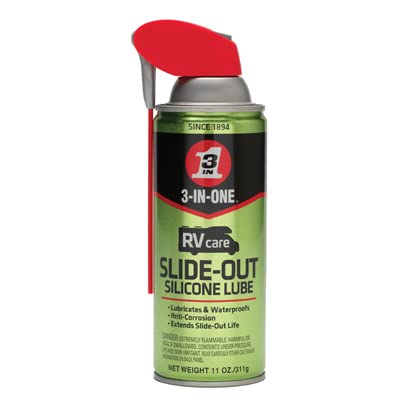

Super Lube
Super Lube 92003 Silicone Lubricating Grease with PTFE, 3 oz Tube, Translucent White
See current price


Liberty Oil
Liberty Oil, The Best 100% Synthetic Oil for Lubricating Your Grandfather Clocks
See current price


WD-40
WD-40 Original Forumla, Multi-Use Product with Smart Straw Sprays 2 Ways, 11 OZ
See current price


![3-IN-ONE Fast-Acting Penetrant Drip Oil, 4 OZ [12-PACK]](https://m.media-amazon.com/images/I/61i3BMNwb6L._SL1500_.jpg)
Popular brands in Industrial Lubricants
Industrial lubricants help reduce friction, limit wear, protect against corrosion, and support the reliable operation of machinery and components. The right choice depends less on a general-purpose label and more on the equipment, operating conditions, application method, and materials involved.
This K-Catalog category brings together industrial lubricant products for shoppers comparing specifications and features before checking the current product details on Amazon. For related products, browse the broader Adhesives, Sealants & Lubricants category.
How to choose an industrial lubricant
Start with the equipment manufacturer’s requirements whenever they are available. A lubricant intended for a hinge, bearing, chain, gear, electrical contact, or threaded connection may have very different performance characteristics. Using the wrong product can reduce protection or create compatibility issues.
Compare these factors before choosing:
- Application: Identify whether the product is designed for general lubrication, penetrating action, chain or gear use, bearing service, corrosion protection, or another specific task.
- Form: Oils, greases, sprays, pastes, and specialty compounds differ in how they spread, stay in place, and work in confined areas.
- Viscosity and consistency: Thinner oils may flow into small gaps, while heavier oils and greases can remain on moving or exposed surfaces. Match the consistency to the movement and load.
- Operating conditions: Consider heat, cold, moisture, dust, pressure, vibration, and exposure to outdoor conditions.
- Material compatibility: Check whether the formula is suitable for the metals, plastics, rubber, painted surfaces, seals, and coatings around the application.
- Application method: The container style, nozzle, brushability, and controlled-dispensing features can matter when access is limited or overspray must be avoided.
Common industrial lubricant types
Industrial lubricants are available in several forms, each suited to different maintenance situations. Oils are useful when a fluid needs to penetrate, spread, or reach narrow contact points. They are often considered for hinges, pivot points, light mechanisms, and components where a thick residue is undesirable.
Greases have a thicker consistency that can help them remain in place on bearings, gears, slides, and other moving parts. Compare the recommended temperature range, water resistance, load suitability, and consistency rather than assuming every grease is interchangeable.
Penetrating lubricants are formulated to help reach seized or difficult-to-access parts. They may be useful for loosening fasteners or displacing moisture, but they should not automatically be treated as a long-term lubricant for every application.
Dry-film and specialty lubricants can be considered where reducing wet residue, attracting less dust, or supporting a particular material or operating environment is important. Always verify the product’s stated use and surface compatibility.
Key specifications and features to compare
Read the product information for intended applications, temperature guidance, viscosity or grease consistency, and resistance to water or oxidation. If the lubricant will be used under substantial pressure or repeated motion, look for clearly stated load or wear-related specifications that match the equipment’s needs.
Container design also affects practical use. Aerosol products may offer convenient coverage, while precision nozzles can help direct lubricant into small mechanisms. Bottles, tubes, and tubs may be better suited to controlled application or workshop use. Check the amount supplied, dispensing method, storage guidance, and any warnings before selecting a format.
For maintenance work, distinguish between a lubricant’s primary purpose and secondary benefits. A product may help displace moisture or loosen a component, but that does not necessarily make it the right choice for continued lubrication. Product documentation should guide whether cleaning, drying, or reapplication is needed.
Brands represented in this catalog
The catalog includes industrial lubricant products from Super Lube, WD-40, CRC, Blaster, Lubriplate, BREAK FREE, 3-IN-ONE, Dow Corning, Liberty Oil, Dupont, CorrosionX, and KROIL. These brands may offer different formulations, package styles, and intended applications, so compare the individual product specifications rather than choosing by brand name alone.
Related maintenance categories
Lubricants are only one part of industrial maintenance and assembly work. If the task involves bonding, sealing, or joining materials, related categories include Industrial Sealants, Epoxy Adhesives, Cyanoacrylate Adhesives, and Contact Cements. For broader sealing or surface applications, compare Caulk and Adhesive Tapes.
Safe and effective use
Clean dirt, old residue, and loose corrosion when appropriate before applying a lubricant. Apply only as much as the application requires, and avoid contaminating brake surfaces, electrical contacts, belts, or other areas where a slippery film could cause a problem unless the product is specifically intended for that use.
Use suitable ventilation and personal protective equipment based on the label and safety documentation. Store containers as directed, keep them away from ignition sources when applicable, and confirm that the lubricant is suitable for the equipment before putting it back into service.
Frequently asked questions
What is the best industrial lubricant?
There is no single choice for every machine. The best option is the one whose application, formulation, viscosity or consistency, material compatibility, and operating guidance match the equipment.
Is industrial oil interchangeable with industrial grease?
Not always. Oil flows more readily, while grease is designed to remain in place. The equipment’s lubrication method, movement, load, and manufacturer guidance should determine which form to use.
Should a penetrating lubricant be used for ongoing lubrication?
Not automatically. Penetrating products may be intended to loosen parts or reach narrow gaps, while ongoing lubrication may require a different oil, grease, or specialty formula.
How do I choose between a spray, bottle, tube, or tub?
Choose based on access, precision, coverage, and how much product must remain on the surface. A precision dispenser may suit small mechanisms, while a larger container can be practical for repeated workshop maintenance.
What should I check before applying lubricant to plastic or rubber?
Review the product’s material-compatibility guidance and test only as directed in an inconspicuous area when appropriate. Some formulas may affect particular plastics, elastomers, coatings, or seals.