

Reptile & Amphibian Health Supplies
Compare health supplies for reptiles and amphibians by purpose, formulation, application, and habitat needs. Review product specifications before visiting Amazon for current availability.
79 products in catalog
79 results
Filters
Availability
Brand
Price




Exo Terra
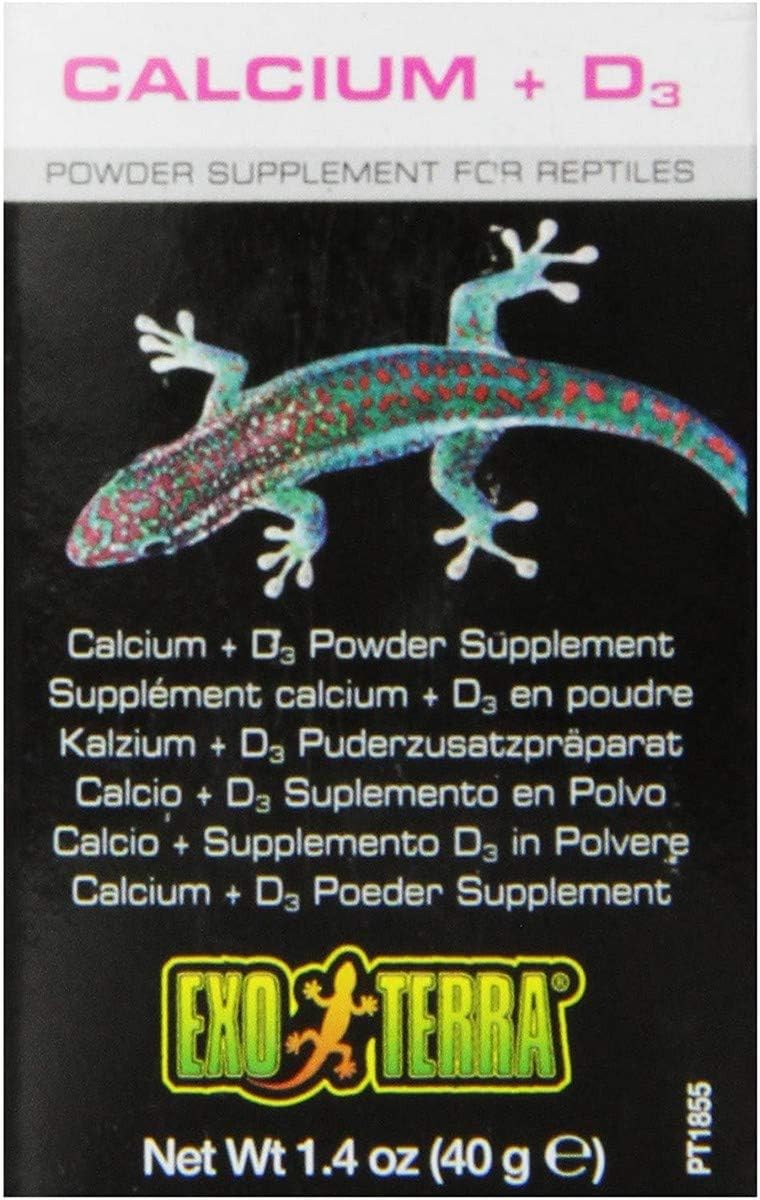
Exo Terra Calcium + D3 Powder Supplement for Reptiles and Amphibians, 1.4 Oz., PT 1855
See current price

Fluker's
Flukers Super Scrub Brush with Organic Cleaner - Cleans and Deodorizes Reptile Terrariums, 16oz BLUE
See current price

REP-CAL RESEARCH LABS
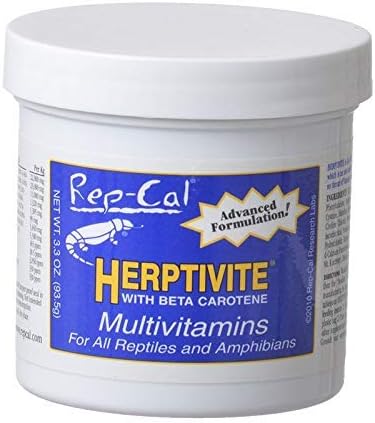
HERPTIVITE Multivitamin for reptiles and amphibians (3.3 oz) Blue Bottle, 1 Pack
See current price
REP-CAL RESEARCH LABS
HERPTIVITE Multivitamin for reptiles and amphibians (3.3 oz) Blue Bottle, 1 Pack
See current price



Zoo Med
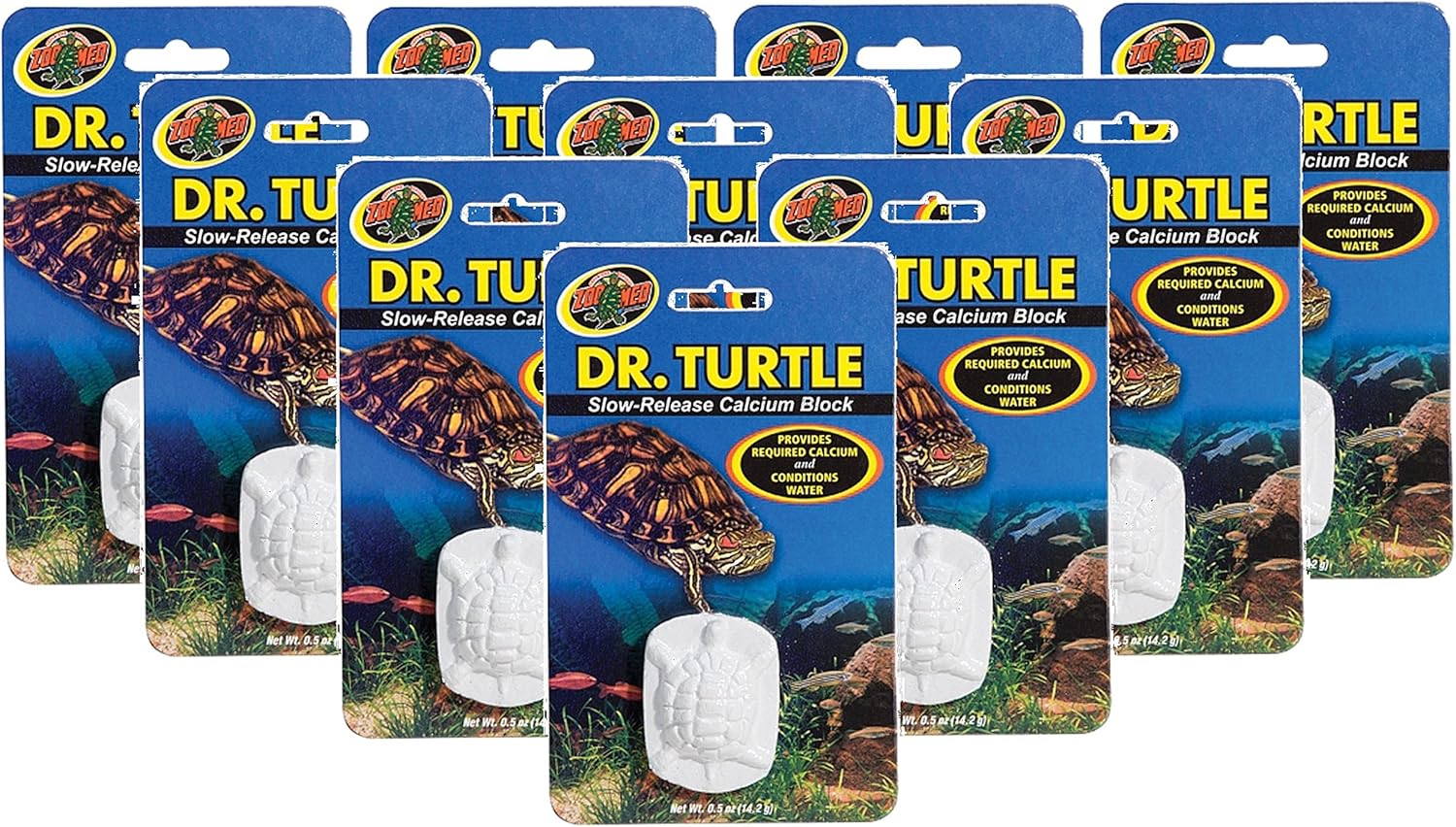
Zoo Med Laboratories Szmmd11 Dr. Turtle Slow-Release Calcium Block, Net Wt .5 Oz
See current price

TopDawg Pet Supply
Zoo Med Laboratories Szmmd11 Dr. Turtle Slow-Release Calcium Block, Net Wt .5 Oz
See current price



Popular brands in Health Supplies
Health supplies are part of a broader care routine for reptiles and amphibians, alongside suitable food, temperature control, lighting, and enclosure conditions. This category helps shoppers compare products intended to support everyday care and respond to specific husbandry needs.
Use the product details to check what each item is designed for, how it is applied, and whether it matches the species, life stage, and habitat setup. Health products are not a substitute for professional veterinary guidance when an animal is injured, showing unusual symptoms, or experiencing a persistent change in behavior.
How to choose health supplies
Start with the purpose of the product. A supplement for routine nutritional support should be evaluated differently from a topical care product, water-treatment item, or habitat hygiene supply. Product descriptions may identify the intended animal, application method, dosage guidance, storage instructions, and ingredients.
Consider these factors before comparing individual listings:
- Species and life stage: Reptiles and amphibians have different nutritional and care requirements. Check that the product is suitable for the animal being kept.
- Use case: Distinguish between routine maintenance, preventative husbandry, and products intended for a specific care concern.
- Application: Powders, liquids, sprays, gels, and ready-to-use formats may fit different routines.
- Ingredients and formulation: Review the full ingredient information and any cautions, especially when the animal has dietary restrictions or other health concerns.
- Storage and shelf life: Follow the manufacturer’s storage directions and check whether the product needs protection from heat, moisture, or light.
Common types of reptile health products
Health supplies can serve several parts of a care routine. Nutritional products may be used to complement an appropriate diet, while topical or first-aid-oriented products may be intended for minor external care. Some listings may focus on hydration support, water quality, or general habitat hygiene.
The right choice depends on the animal and the reason for use rather than the product format alone. Read the label carefully to understand whether an item is meant for direct application, food supplementation, enclosure use, or another specific purpose. If the listing does not clearly explain its intended use, consult a qualified reptile or amphibian veterinarian before buying.
For supporting products that affect the wider enclosure environment, compare these related categories:
- Reptile & amphibian food for the animal’s primary diet and feeding routine.
- Terrarium heat lamps and mats for temperature management.
- Habitat lighting for lighting equipment and enclosure scheduling.
- Terrarium bedding, sand and substrate for the enclosure floor and waste-management setup.
Habitat conditions and health
Many health concerns are connected to the enclosure rather than a single care product. Compare supplies alongside the terrarium’s size, ventilation, humidity control, temperature gradients, and cleaning routine. A product cannot correct an unsuitable habitat on its own.
Review terrariums when the enclosure itself may need to be replaced or upgraded. Habitat décor can also be relevant when animals need appropriate hiding places, climbing surfaces, or other environmental features. Any décor or substrate should be selected for the species and kept clean according to the manufacturer’s guidance.
Brands in the catalog
The Health Supplies catalog includes products from Zoo Med, Fluker’s, Exo Terra, Zoo Med Laboratories, TopDawg Pet Supply, Central Garden & Pet, Nature Zone, REP-CAL RESEARCH LABS, Zilla, Phillips Feed & Pet Supply Natural Balance, REPTI ZOO, and Rep-Cal. These brands are represented across the catalog, giving shoppers several listings to compare by intended use, ingredients, format, instructions, and packaging details.
Brand familiarity can help narrow a search, but the product’s specific label remains the more important reference. Products from the same brand may be designed for different animals or applications, so compare each listing individually rather than choosing by brand name alone.
Safe use and care tips
Follow the label directions and avoid combining multiple supplements or treatments unless a veterinarian has advised it. Keep supplies separate from human medications and store them where children and pets cannot access them. Use clean measuring tools and avoid cross-contamination between products.
When a reptile or amphibian has a wound, swelling, breathing difficulty, persistent lack of appetite, abnormal shedding, or another concerning symptom, professional evaluation is appropriate. Take the product packaging or ingredient list to the appointment when possible. Before completing a purchase, shoppers can check the current product information and availability on Amazon.
Frequently asked questions
Are health supplies suitable for every reptile and amphibian?
No. Suitability depends on species, age, diet, health status, and intended use. Always check the product label and species guidance before use.
Should supplements replace a balanced diet?
No. Supplements are generally considered part of a broader care plan, not a replacement for an appropriate species-specific diet and suitable feeding routine.
Can health products fix poor terrarium conditions?
No. Correct temperature, humidity, lighting, ventilation, cleanliness, and enclosure design are fundamental. Health supplies should not be used to compensate for unsuitable habitat conditions.
How should shoppers compare similar products?
Compare intended use, species guidance, ingredients, application method, instructions, storage requirements, and any warnings. The most suitable format depends on the animal and the keeper’s routine.
When should a veterinarian be consulted?
Seek professional advice for injuries, persistent or worsening symptoms, unusual behavior, breathing problems, significant appetite changes, or uncertainty about treatment. Avoid diagnosing a condition based only on a product description.