

Rivets for Industrial and Repair Projects
Compare rivets by material, head style, diameter, grip range and installation method. This guide explains the key specifications to check before choosing rivets for repairs, fabrication and assembly work.
42 products in catalog
42 results
Filters


Bolt Dropper
Rivets, Aluminum, 3/16" x 3/4" Inch, (6-12), Choose Size, Gap (.62 - .75)" (100 Pack), Blind Rivet by Bolt Dropper.
See current price


Racer's Speed Shop
Racer's Speed Shop Black 3/16" Rivet Large Flange Aluminum Head Steel Mandrel Blind Pop Rivets 50 pk
See current price

Clipsandfasteners Inc
100 3/16 Brazier Head Solid Aluminum Rivets 3/8 Length Clipsandfasteners Inc
See current price


Clipsandfasteners Inc
100 3/16 Brazier Head Solid Aluminum Rivets 3/8 Length Clipsandfasteners Inc
See current price


Racer's Speed Shop
Racer's Speed Shop Black 3/16" Large Head Tri-Fold Exploding Aluminum Mandrel Pop Rivets 50 Pack
See current price


Racer's Speed Shop
Racer's Speed Shop Mill 3/16" Rivet Large Flange Aluminum Head Steel Mandrel Blind Pop Rivets 100 pk
See current price


Racer's Speed Shop
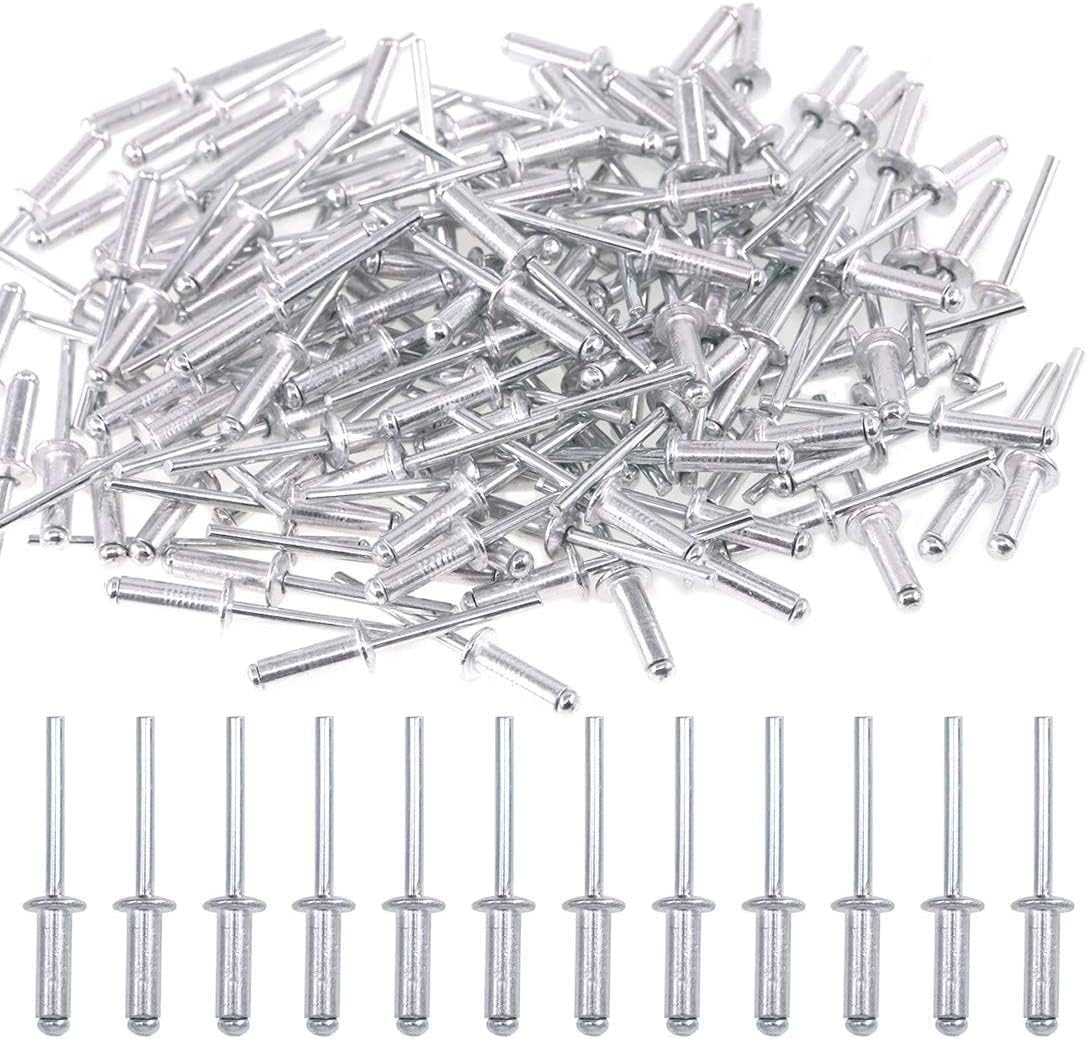
Racer's Speed Shop Blue 3/16" Large Head Tri-Fold Exploding Aluminum Mandrel Pop Rivets 100 Pack
See current price


Snug Fastener
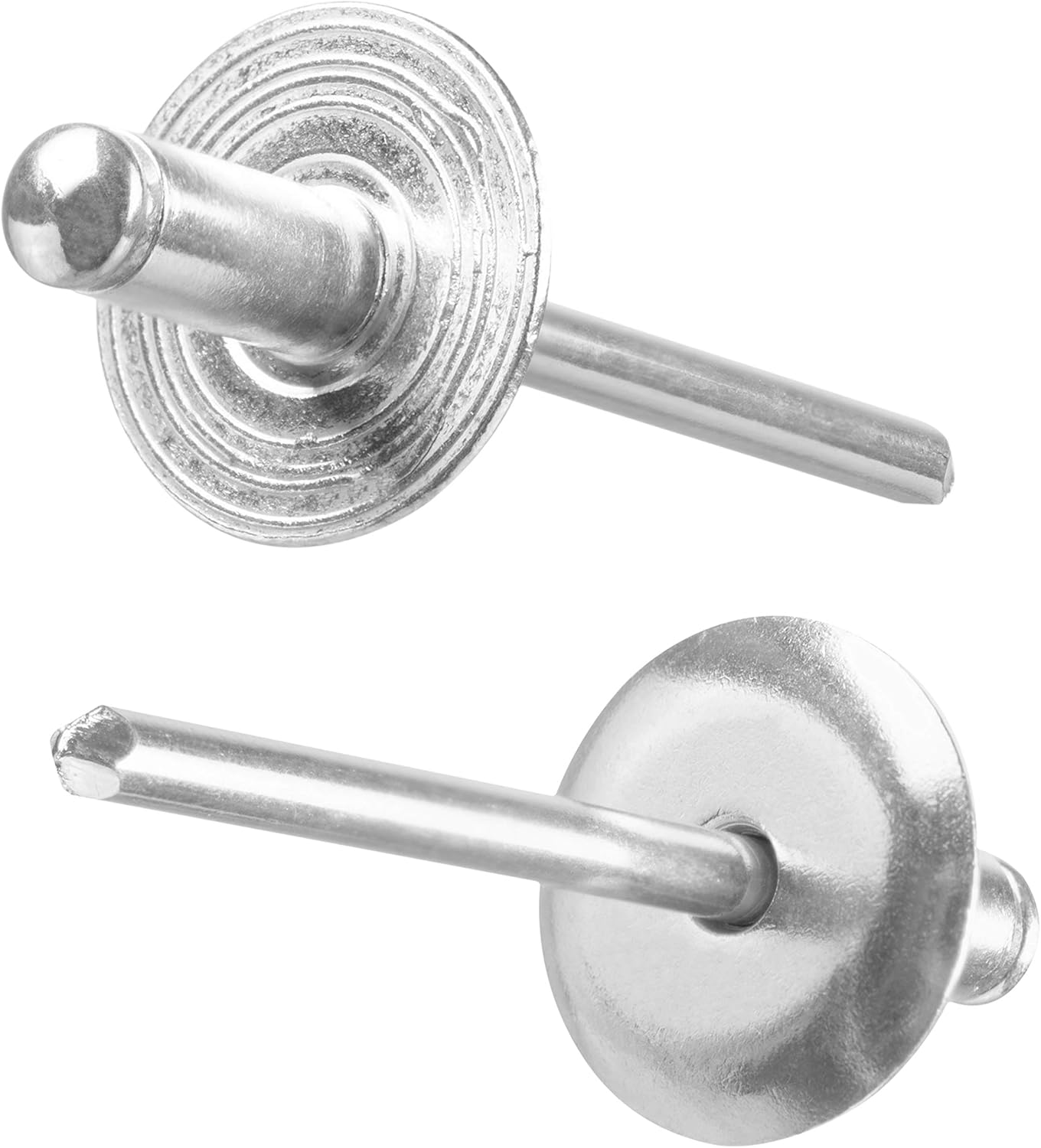
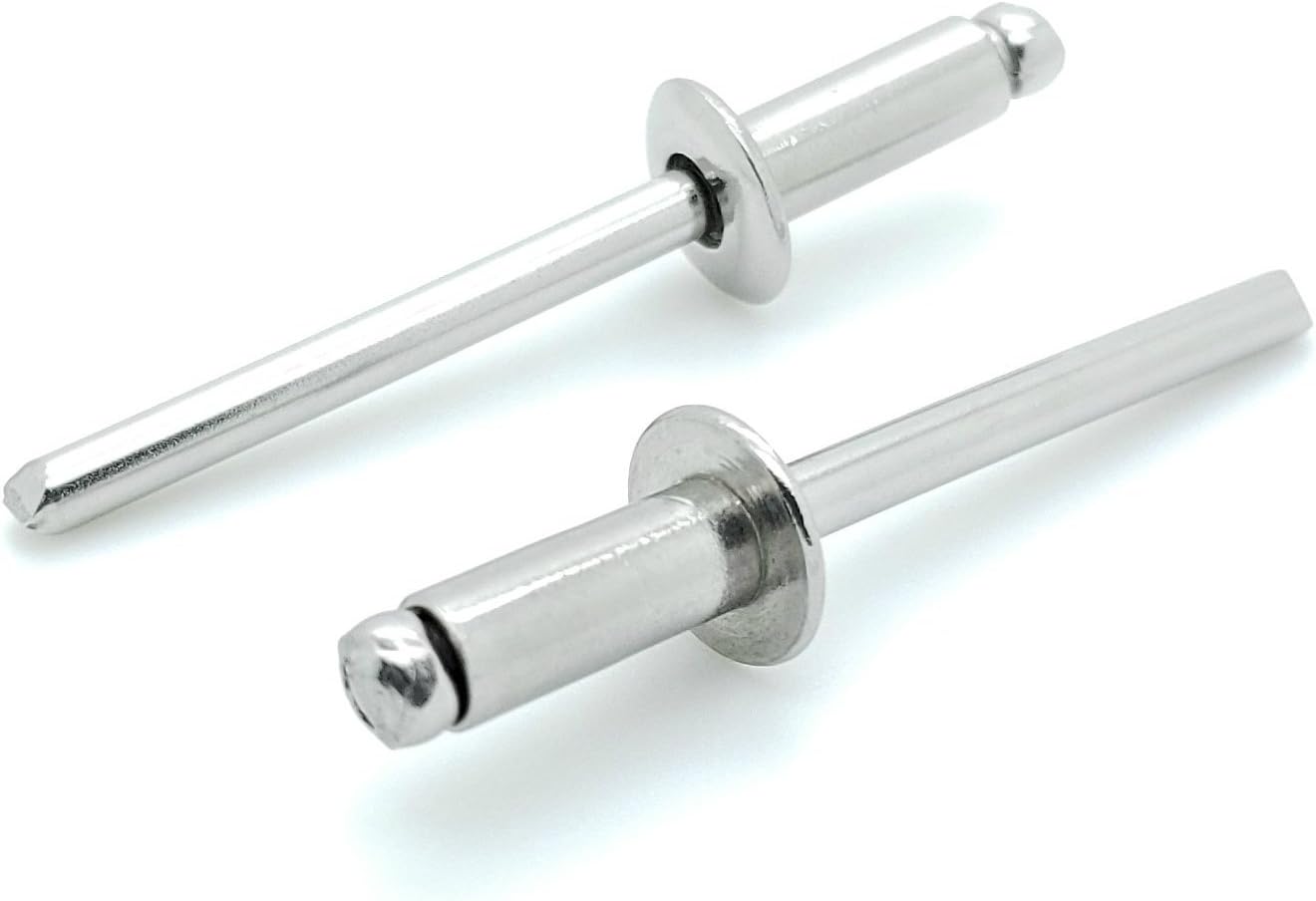
SNUG Fasteners 100 Qty Aluminum Blind Rivets (#6-4) 3/16" Diameter x 1/4" Grip (SNG187), Silver
See current price

Popular brands in Rivets
Rivets are permanent fasteners used to join materials where a durable, vibration-resistant connection is needed. They are commonly used with sheet metal, brackets, panels, enclosures, hardware and other assemblies where access to the rear of the joint may be limited.
K-Catalog brings together rivet options from brands represented in the catalog, so shoppers can compare specifications and features before visiting Amazon for current availability and purchasing information.
How to choose rivets
Start by identifying the materials being joined and the access available around the joint. Blind rivets, often called pop rivets, can usually be installed when the workpiece is accessible from one side. Solid rivets generally require access to both sides and a suitable setting method, but they can be appropriate for high-strength or traditional fabrication applications.
The joint design also matters. Measure the combined thickness of the materials, then compare that measurement with the rivet’s stated grip range. A rivet that is too short may not form correctly, while one that is too long can leave an unsuitable formed end or interfere with nearby components.
Rivet types and head styles
Common rivet formats include:
- Blind rivets: Useful for one-sided installation in sheet metal, panels and general repairs. They are installed with a compatible rivet tool that pulls a mandrel through the rivet body.
- Solid rivets: Designed for applications where both sides of the assembly are accessible. They may require more specialized equipment and careful setting.
- Tubular and semi-tubular rivets: Often used in hardware, leather goods, light assemblies and manufactured products where a partially hollow shank supports easier forming.
- Large-flange rivets: Provide a broader bearing surface on the visible side, which can help distribute load across thinner or softer materials.
- Countersunk rivets: Intended for joints where a flatter finished surface is important. The material may need a matching countersink for proper seating.
Dome or round heads are common for general-purpose fastening. Flat and countersunk heads may be preferable where clearance, appearance or a flush surface is important. Always confirm that the head style suits the mating surface and the available space.
Key specifications to compare
Rivet dimensions and construction affect whether a fastener will fit and set correctly. Compare these details carefully:
- Diameter: Must match the prepared hole and the requirements of the materials being joined.
- Length and grip range: The grip range is especially important for blind rivets because it indicates the material thickness the rivet is designed to secure.
- Material: Aluminum, steel, stainless steel and other materials can differ in strength, weight, corrosion resistance and compatibility with the workpieces.
- Mandrel material: For blind rivets, the mandrel influences installation and the finished connection. Check that the included or compatible tool is suitable.
- Head style and flange size: These affect surface contact, clearance and how the load is distributed.
- Finish and corrosion resistance: Consider moisture, outdoor exposure, chemicals and contact with dissimilar metals.
- Quantity and assortment format: Kits may group several sizes or provide a single size for repeat work. Choose the format that fits the project rather than relying on unused sizes.
Tool compatibility is just as important as the rivet itself. Check whether the fastener requires a hand riveter, a powered rivet tool, a solid-rivet setter or another installation system. Review the tool’s supported diameter and material range before ordering.
Materials, fit and joint preparation
The rivet should be compatible with the materials being joined. In damp or corrosive environments, consider corrosion-resistant construction and avoid combinations that may promote galvanic corrosion. A coating or finish can change how a rivet interacts with the workpiece, so compare the full specification rather than choosing by appearance alone.
Prepare clean, aligned holes with the correct diameter. Remove burrs and make sure the sheets are held firmly together during installation. The hole should not be excessively oversized, and the rivet should sit squarely against the surface. For visible work, confirm the head profile and finish before setting the fastener.
The catalog includes rivet listings from Racer's Speed Shop, XM, Clipsandfasteners Inc, Bolt Dropper, DGOL, Killer's Instinct Outdoors, Glarks, ISPINNER, SDTC Tech, ALLOYPRO, Snug Fastener and Luanxu. Compare each listing’s dimensions, material, included components and stated application details rather than selecting by brand name alone.
Related fastener categories
Rivets are permanent or semi-permanent fastening choices, while removable assemblies may call for other hardware. Compare screws when disassembly is important, or bolts and nuts when both sides of the joint are accessible. Washers can help distribute load in compatible bolt and screw assemblies. For installation into masonry or other base materials, review anchors. Collated fasteners may be more suitable for powered, repeated fastening workflows.
Frequently asked questions
What are rivets used for?
Rivets join overlapping materials in a durable connection. They are used in fabrication, repairs, panels, brackets, hardware and many other assemblies.
What is a blind rivet?
A blind rivet is designed for installation when only one side of the joint is accessible. A compatible tool pulls the mandrel and expands the rivet body behind the materials.
How do I choose the right rivet length?
Measure the combined thickness of the materials and select a rivet whose stated grip range includes that measurement. Also confirm the required diameter and head style.
Are rivets removable?
Rivets are intended to create a permanent or semi-permanent joint. Removal usually involves drilling or otherwise damaging the rivet, after which a replacement fastener may be needed.
Can any rivet tool install any rivet?
No. Tools support particular rivet diameters, materials and formats. Check the tool and rivet specifications for compatibility before installation.