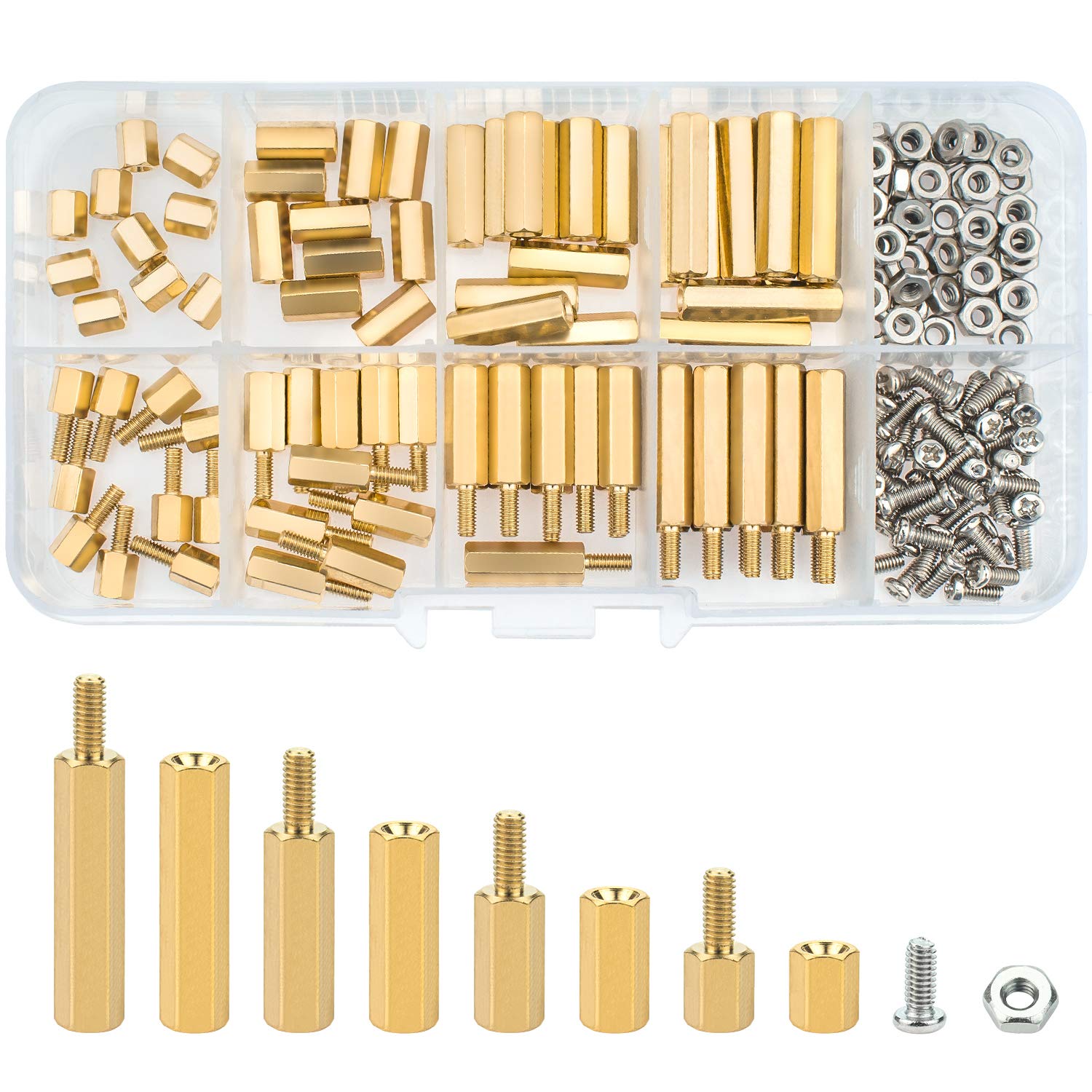
Sutemribor
Sutemribor M2.5 Male Female Hex Brass Spacer Standoff Screw Nut Assortment Kit (180Pcs)
See current price

Compare spacers and standoffs for separating, supporting, and securing components. Review materials, threads, dimensions, and construction details to find a suitable fit for your assembly.
31 products in catalog
31 results
Sutemribor
See current price
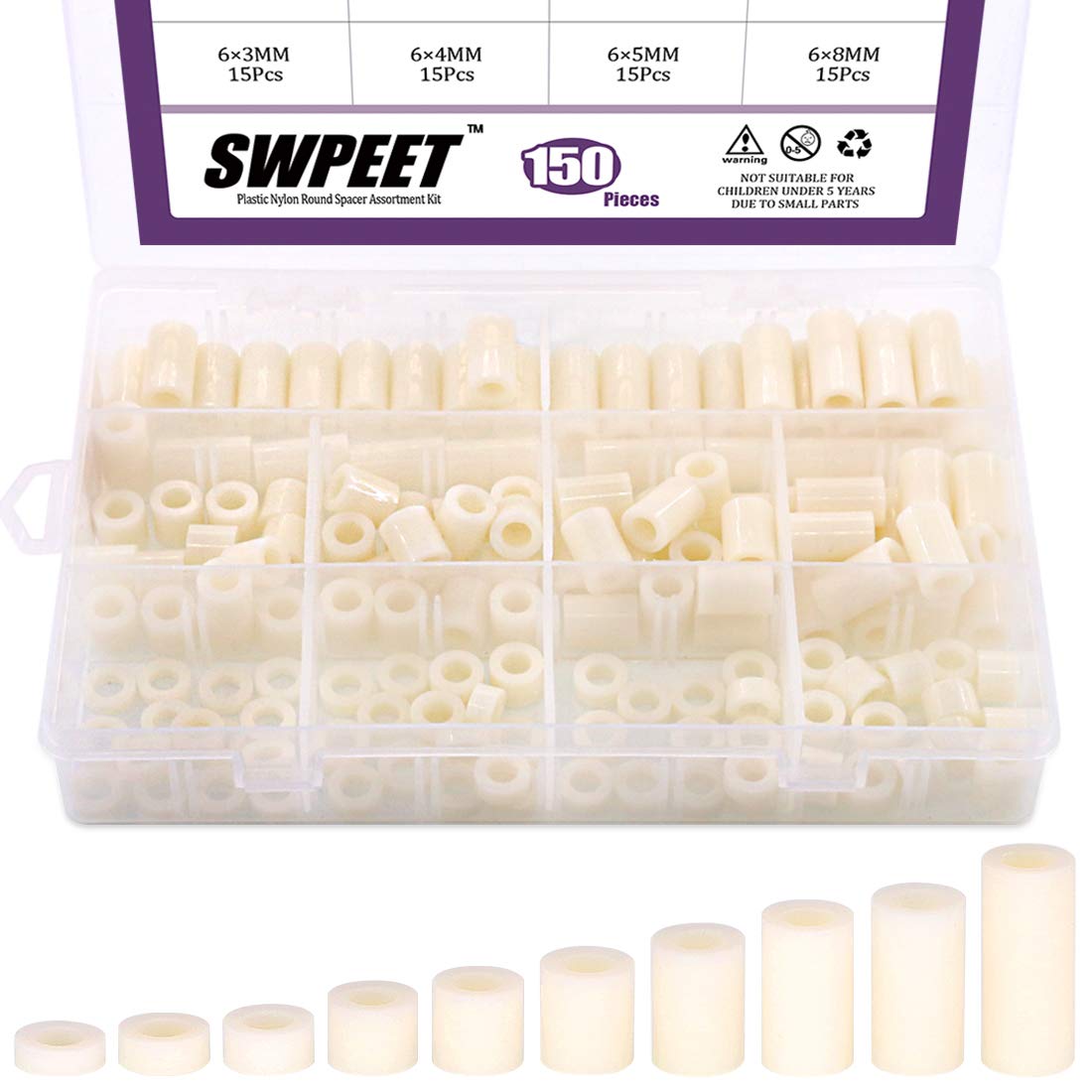


Hilitchi
See current price


Guangzhou Openfind Electronic Commerce CO., LTD
See current price


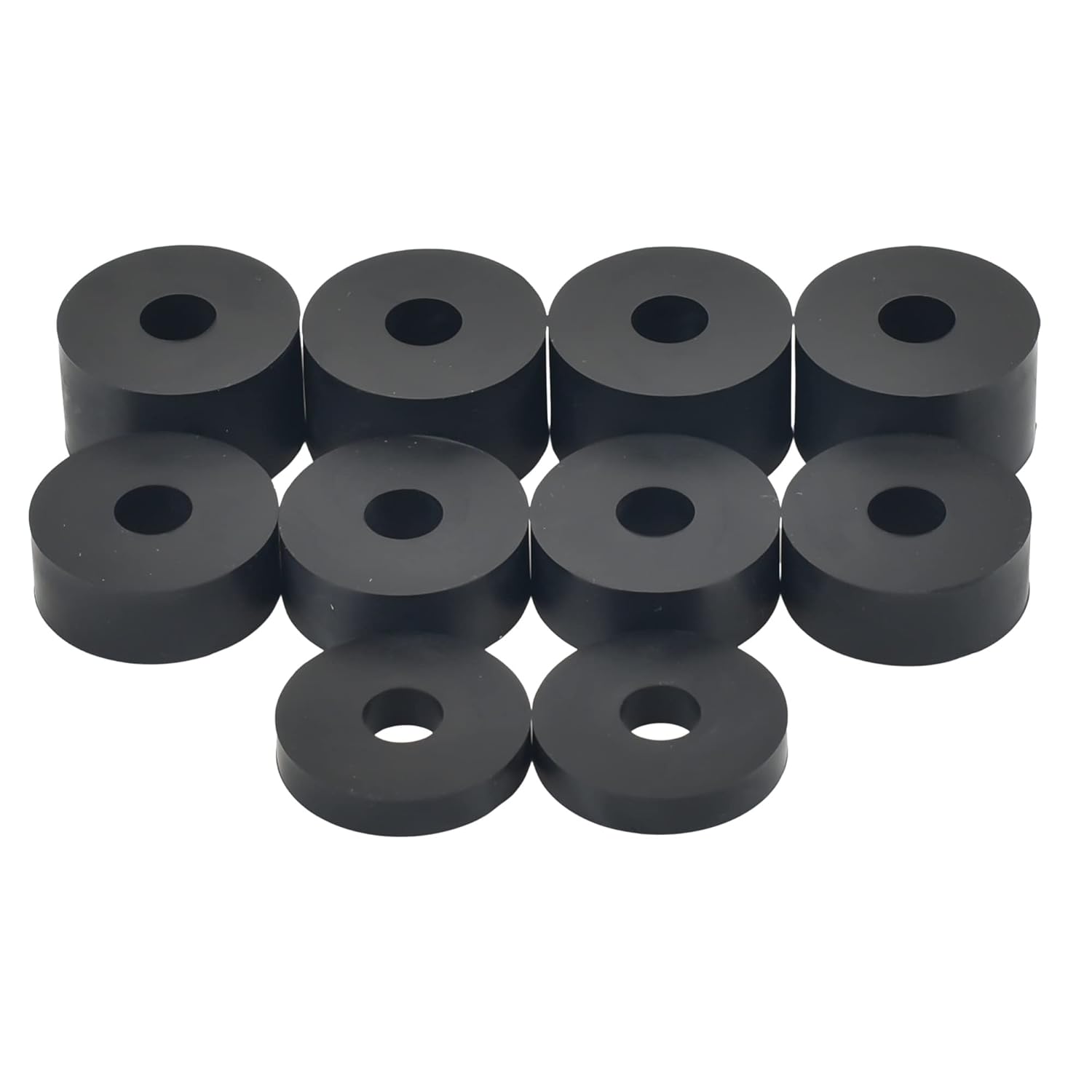
hawkeng
See current price


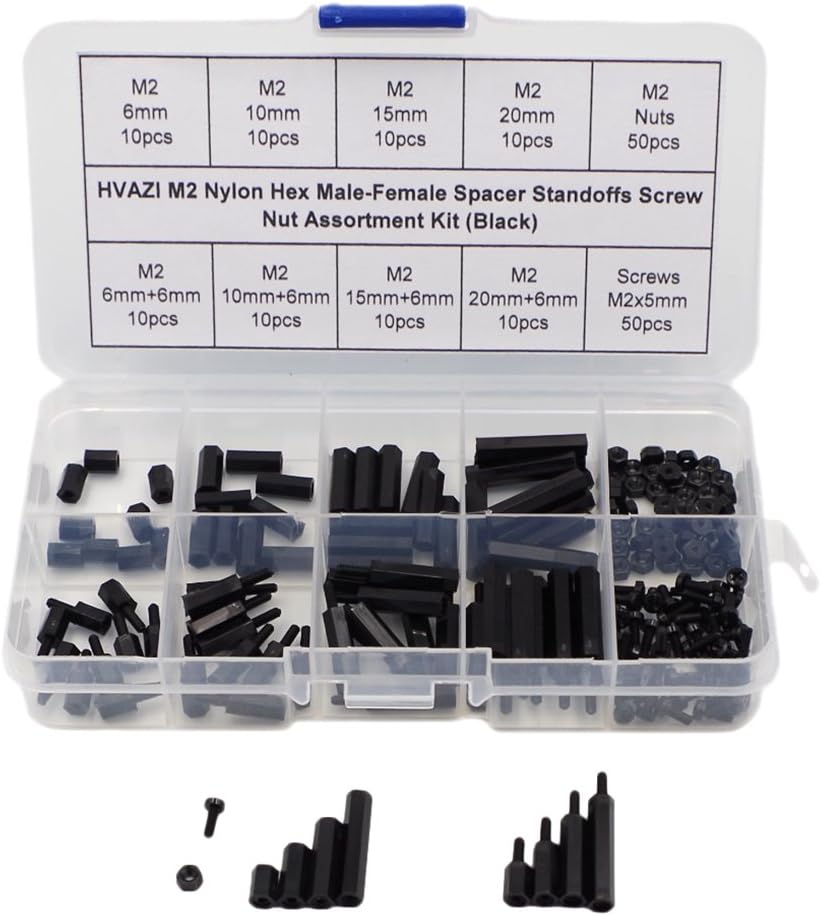
chuanyi
See current price
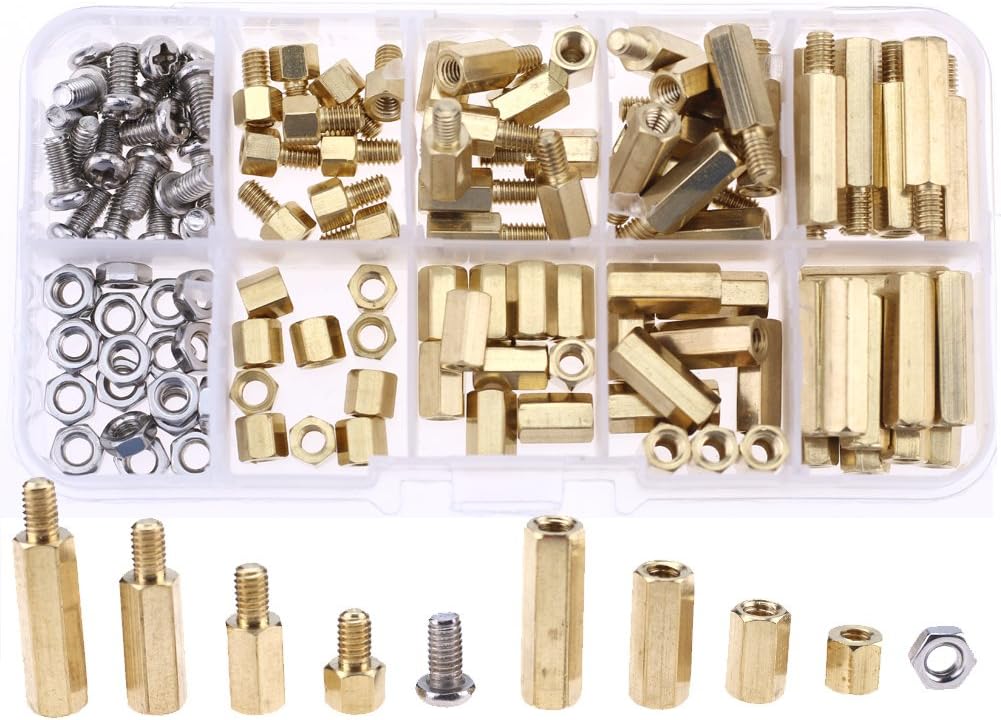
Hilitchi
See current price


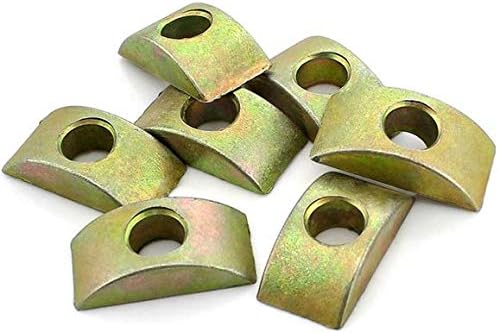


Sutemribor
See current price


Spacers and standoffs create controlled distance between components while helping maintain alignment and support. They are commonly used in electronics, panels, enclosures, machinery, and other assemblies where parts need to be separated without relying on improvised washers or stacked hardware.
The right choice depends on the required gap, fastening method, load, environment, and the materials being joined. Use this guide to compare listings in the Fasteners category and narrow your options by specifications and features.
Start with the purpose of the hardware. A spacer usually separates two surfaces, while a standoff often provides a fixed mounting point for another component. In practical use, the terms can overlap, so the product’s thread arrangement and dimensions matter more than the label alone.
Consider these factors before selecting a product:
Spacers and standoffs come in several configurations. Plain spacers are sleeve-like pieces that fit over a screw or bolt, creating a consistent gap between surfaces. They can be useful when the fastener passes through both components and the spacer.
Threaded standoffs provide an attachment point and can simplify the installation of circuit boards, panels, brackets, and covers. Female-female designs accept screws from both ends, while male-female designs combine an external threaded end with an internal thread. Male-male versions can connect components that already have threaded openings.
Round bodies are compact and suitable where smooth edges or radial clearance are important. Hexagonal bodies can be tightened with a wrench and may make alignment easier during assembly. When comparing products, inspect the product images and technical specifications rather than assuming all standoffs use the same installation method.
For related hardware, compare Screws, Nuts, Washers, and Bolts to confirm that the complete fastening system is compatible.
Material affects strength, weight, conductivity, appearance, and resistance to the surrounding conditions. Metal spacers and standoffs are often selected for rigidity and durability, while plastic or nylon-style options may be useful when electrical insulation, low weight, or protection against surface contact is important.
Pay close attention to the following specifications:
A matching nominal thread size is not enough if the thread standard or pitch differs. Check both mating parts before ordering. Also verify whether the listed length describes the body only or the complete assembled hardware.
The catalog includes spacers and standoffs from Electronics-Salon, Sutemribor, LuckIn, Hilitchi, Csdtylh, HELIFOUNER, TOPNIKE, uxcell, The Hillman Group, Pelopy, ALBERT GUY, and Outus. Compare their individual listings by construction, dimensions, thread details, and included components rather than choosing by brand name alone.
Before installation, measure the mounting hole, the intended gap, and the available clearance around the assembly. Test-fit the spacer or standoff without fully tightening to confirm that the component sits level and that cables, connectors, or nearby hardware are not obstructed.
Avoid forcing mismatched threads, since this can damage both the fastener and the component. For electronics, select a configuration that supports the board without stressing it, and consider whether insulating or conductive hardware is appropriate for the design. In outdoor, humid, or chemically exposed settings, compare the material and finish with the environment.
If an assembly needs a different method of securing to a surface, related Anchors or Collated Fasteners may be more relevant than a spacer or standoff.
A spacer primarily maintains a gap between parts, while a standoff commonly includes threads for mounting or connecting components. Product terminology can overlap, so inspect the thread configuration.
Measure the required distance between the supported surfaces and allow enough room for the component, connectors, cables, and fastening hardware. Confirm how the listing defines its length.
Metal is generally considered when rigidity, durability, or conductivity is needed. Plastic or nylon-style materials may suit applications requiring insulation, lower weight, or reduced risk of surface scratching.
No. The screw must match the standoff’s thread standard, size, and pitch, as well as provide an appropriate length for the connection.
It depends on the design. Plain spacers often work with a screw, bolt, nut, and washer arrangement, while threaded standoffs may attach directly to matching threads. Check the product specifications and assembly requirements.