
Threaded Rods & Studs
Compare threaded rods and studs by thread style, material, length, and finish. This guide explains the features that matter for fabrication, repairs, mounting, and general fastening.
18 products in catalog
18 results
Filters
Availability
Brand
Price

Small Parts
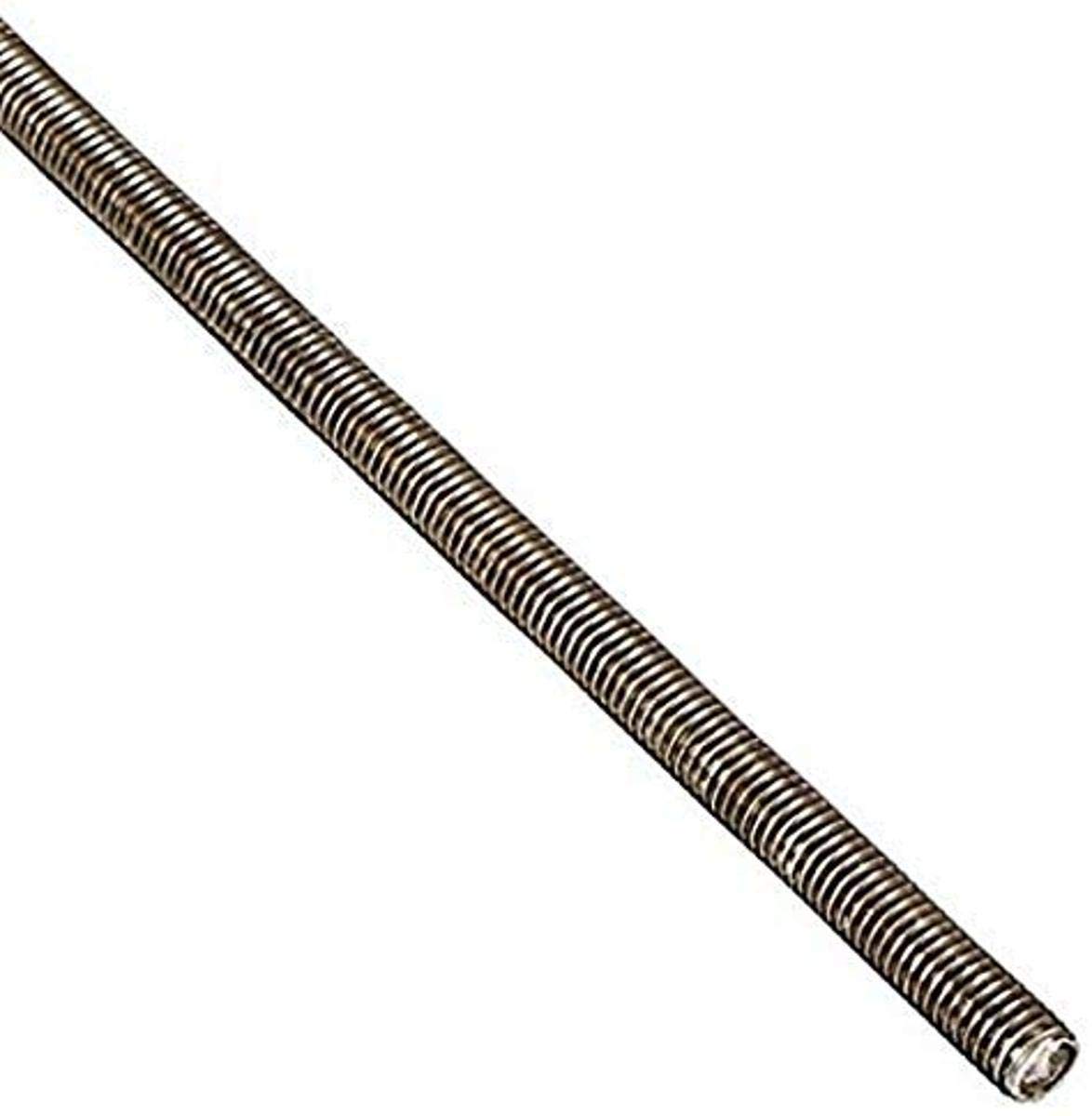
Small Parts 18-8 Stainless Steel Fully Threaded Rod, 3/8"-16 Thread Size, 36" Length, Right Hand Threads
See current price


Small Parts
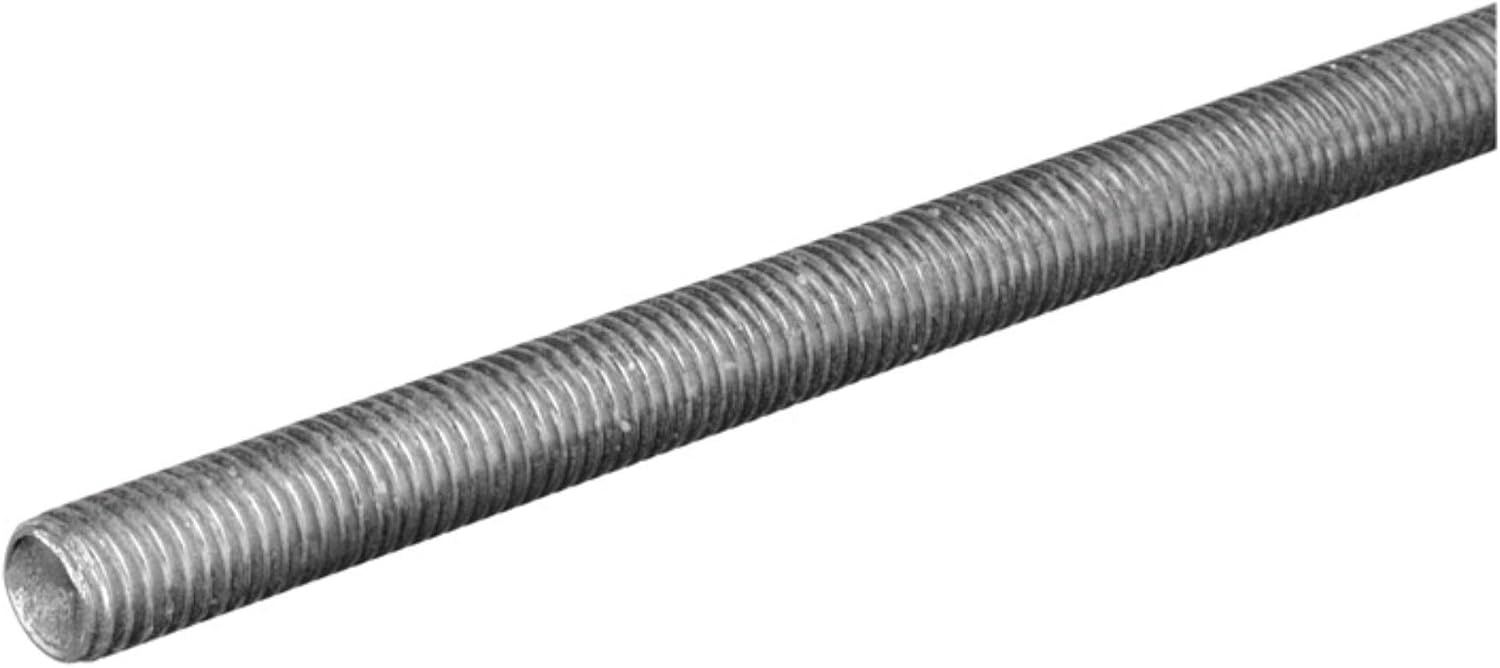
Brass Fully Threaded Rod, #8-32 Thread Size, 36" Length, Right Hand Threads
See current price


TOOGOO(R)
TOOGOO(R) 100x Gold 8mm Pyramid Studs Spots Punk Nailheads Spikes for Bag Shoes Bracelet
See current price

Prime-Line
Prime-Line E 2104 1-7/8 In. Brass Housing with Chrome Plated Face, Cylinder Lock (Single Pack)
See current price

Prime-Line
Prime-Line D 1895 White Plastic, Foot Operated, Sliding Door Lock (Single Pack)
See current price
Popular brands in Threaded Rods & Studs
Threaded rods and studs provide continuous or partial external threading for joining components, positioning assemblies, and creating adjustable fastening points. The right choice depends on the connection design, load requirements, environment, and hardware used with it.
K-Catalog helps shoppers compare product specifications and features in this category before clicking through to Amazon for current product details. For a broader selection of industrial fastening hardware, explore Fasteners.
How to choose threaded rods and studs
Start by identifying how the fastener will be used. A fully threaded rod can be cut to a needed length or used with nuts and washers along its threaded surface. A stud may be designed for a more specific connection, such as securing a component between two surfaces or providing a fixed threaded attachment point.
Consider these requirements before comparing listings:
- Connection type: Decide whether you need continuous threading, a fixed stud, or a fastener that can be trimmed during installation.
- Thread compatibility: The rod or stud must match the thread type, diameter, and pitch of the mating nut or tapped hole.
- Required length: Check the overall length and allow enough thread engagement for the connection without creating unnecessary excess.
- Strength and load: Match the material and fastener specification to the tension, shear, vibration, and clamping demands of the application.
- Installation space: Think about access for tightening nuts, cutting the rod, or holding the fastener during assembly.
Threaded rod and stud applications
These fasteners are commonly considered for construction, machinery assembly, equipment mounting, furniture and fixture projects, repairs, and custom fabrication. Threaded rod is useful when a project needs a connection longer than a conventional bolt or when the fastening point must be adjustable.
Studs can be useful when one end remains installed while another component is removed periodically. They may also help with alignment during assembly, depending on the design. Always confirm that the fastener’s dimensions and material suit the specific joint rather than choosing solely by appearance.
Key specifications to compare
Product listings can vary in how much technical information they provide, so compare the specifications carefully.
Thread dimensions and form
Check the thread diameter, pitch, and thread standard. A compatible nut should be selected for the same thread system. If the listing identifies coarse or fine threading, match that detail to the mating hardware and the needs of the joint. When replacing an existing fastener, measuring the original part and checking the mating nut can help prevent compatibility problems.
Material and finish
Steel, stainless steel, and other materials may suit different environments and strength requirements. Stainless steel is often considered where corrosion exposure matters, while coated or plated steel may be suitable for indoor or less demanding conditions. Compare the stated finish, corrosion considerations, and intended use rather than assuming that one material works for every installation.
Length and cutability
For threaded rod, determine whether the product can be cut to size with the appropriate tool while preserving usable threads. After cutting, the end may need to be cleaned or repaired so a nut can start smoothly. For studs, verify the threaded sections, unthreaded portions if present, and the total length needed for the assembly.
Hardware compatibility
Nuts and washers are often essential parts of the installation. Browse Nuts and Washers to compare related hardware, checking that the dimensions and material are compatible. If the project requires a different fastening method, Bolts or Screws may be more appropriate.
Brands represented in the catalog
The catalog includes threaded rods and studs from Prime-Line, Small Parts, National Hardware, beduan, Walfront, Just in Time, DEFLECTAIR, Feelers, TOOGOO(R), Quickun, and Awclub. These brands are represented as options to compare; shoppers should evaluate each listing by its specifications, dimensions, materials, finish, and stated application rather than by brand name alone.
Installation and selection tips
Use a nut that matches the rod or stud precisely, and avoid forcing mismatched threads together. Keep the threaded surfaces clean during installation, especially when the fastener will be used in a dusty or corrosive setting. Tighten the connection with suitable hardware and avoid exceeding the manufacturer’s stated application guidance.
For structural, overhead, safety-critical, or heavily loaded installations, verify the required engineering specifications before selecting a product. Anchors may be needed when attaching components to masonry or other base materials; compare Anchors when the project involves that type of substrate. For powered installation systems, Collated Fasteners provide a different fastening format and should not be treated as a direct substitute without checking tool and application compatibility.
Frequently asked questions
What is the difference between threaded rod and a stud?
Threaded rod generally has threading along most or all of its length and can often be cut for a project. A stud is typically intended as a more specific threaded attachment component, though designs vary by product.
How do I know which nut fits a threaded rod?
Match the nut to the rod’s thread diameter, pitch, and thread standard. The material and finish should also be suitable for the same environment and application.
Can threaded rod be cut to length?
Many threaded rods can be cut with an appropriate tool, but cutting may damage the threads at the end. Clean and restore the thread as needed before installing a nut.
Is stainless steel threaded rod always the best choice?
Not necessarily. Stainless steel can be useful in corrosion-prone environments, but the correct choice also depends on strength, cost, compatibility, and the conditions of the joint.
What should I check before using a stud in a load-bearing connection?
Confirm the thread dimensions, material, strength information, engagement length, and installation requirements. For critical connections, follow applicable engineering or manufacturer guidance.