

Carrying Cases for Office and School Supplies
Compare carrying cases by size, construction, compartments, and closure style. K-Catalog helps you review specifications and features before checking current product details on Amazon.
128 products in catalog
128 results
Filters


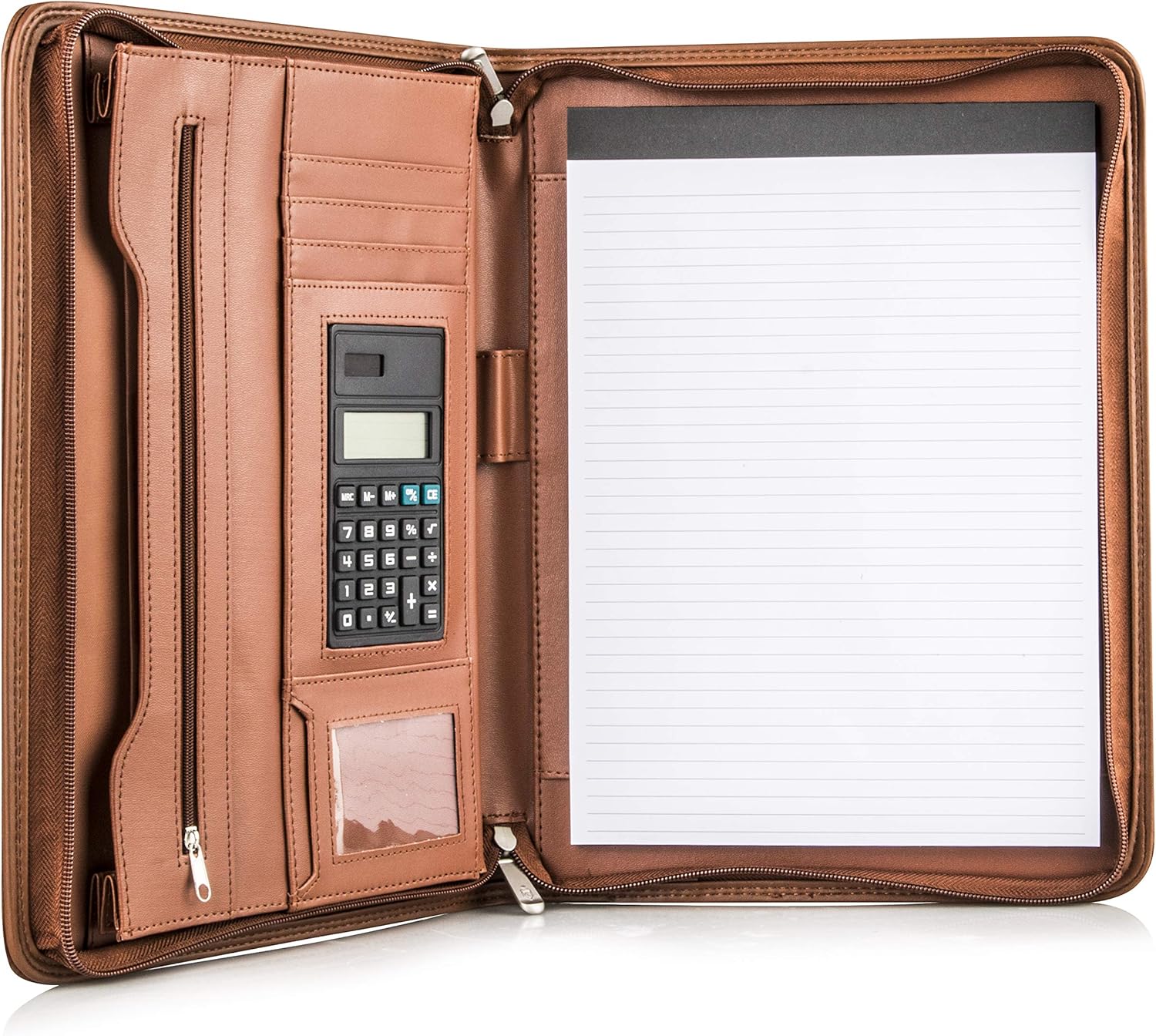
Leathario
Leathario Portfolio A4 File Folder Padfolio Writing Pad Business Presentation Folder PU Black (Brown-41)
See current price



Jancosta
Jancosta 5 Pack Business Padfolio Portfolio with Letter Size Writing Notepads (New Black 5 Pack)
See current price

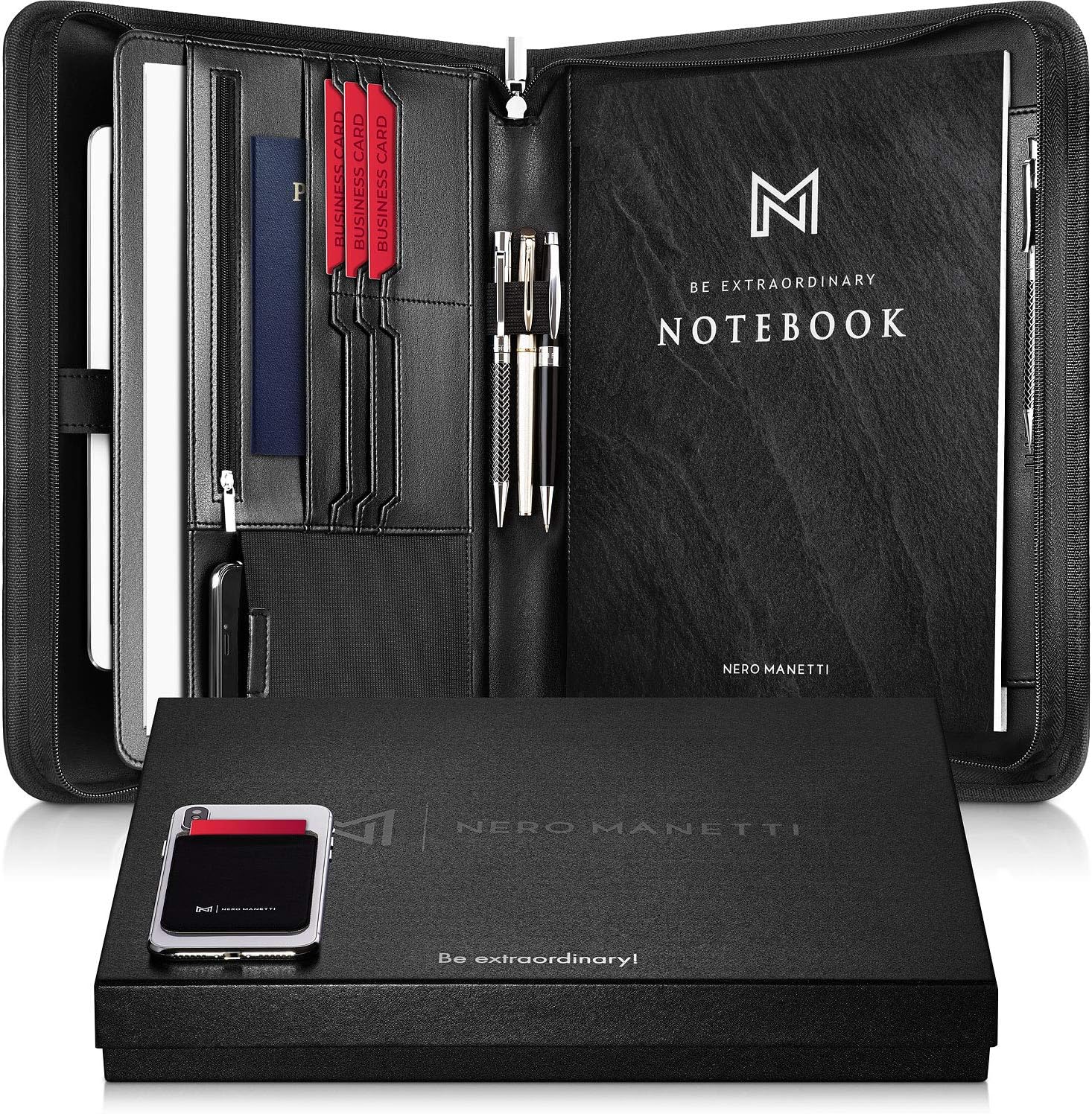
![Darolin Zippered Leather Padfolio Portfolio with [Hidden Handle] and [Clipboard], Business Conference Portfolio Organizer Notepad Folder, Portfolio Bag, Portfolio Padfolio for Women/Men (Redwine)](https://m.media-amazon.com/images/I/71Vf7U2ACJL._AC_SL1500_.jpg)




Popular brands in Carrying Cases
Carrying cases help keep office, school, and personal essentials together while making them easier to transport. The right case depends on what you carry, how much protection it needs, and whether you prefer a compact design or organized storage for several items.
This category sits within Office & School Supplies, so it can be useful for building a complete workspace, student-supply, or mobile organization setup. Compare the available specifications and features to find a case that fits your routine rather than choosing based on appearance alone.
How to choose a carrying case
Start by listing the items the case needs to hold. A case for a few writing tools can be slim and lightweight, while one intended for documents, accessories, or larger supplies may need more interior space and structure.
Consider where the case will be used:
- Daily commuting: Look for a manageable size, secure closure, and materials that can handle regular handling.
- School or study: Internal pockets, loops, or divided sections can make frequently used supplies easier to find.
- Office organization: A structured case may help protect contents and keep related tools together.
- Travel or events: A handle, compact profile, or protective construction can make transport more convenient.
- Gifting or formal use: Material, finish, and overall presentation may matter as much as storage capacity.
Measure the largest items you plan to carry and allow some room for removing them without forcing the zipper or fastening.
Common carrying case styles
Carrying cases can vary considerably in shape and purpose. Slim pouches are suited to small collections of supplies and fit easily into a larger bag. Structured cases offer more shape retention and may be preferable when the contents need additional protection. Multi-compartment organizers are useful when separating pens, documents, accessories, or other small items is a priority.
Some cases are designed around portability, with a handle or a profile intended for carrying by hand. Others work better as inserts inside a backpack, tote, drawer, or desk area. Think about whether the case will be carried independently or stored inside another container most of the time.
For related ways to organize a workspace, browse Desk Accessories & Workspace Organizers. If the case will hold writing tools, Writing & Correction Supplies can help complete the setup.
Features and specifications to compare
Pay attention to the details that affect everyday use:
- Dimensions and capacity: Check external measurements as well as usable interior space. A case can appear large but offer less room because of padding, dividers, or a structured frame.
- Materials: Fabric, synthetic materials, leather, and other constructions differ in feel, flexibility, appearance, and care requirements.
- Closure: Zippers, snaps, hook-and-loop fasteners, and other closures provide different balances of access and security.
- Interior organization: Pockets, elastic loops, dividers, and open compartments can reduce clutter, but too many sections may limit flexibility.
- Protection: Padding and firm walls may help shield contents from pressure or minor impacts. Confirm the intended level of protection rather than assuming every case is protective.
- Portability: Handles, a lightweight build, or a narrow shape can matter when the case is carried frequently.
- Maintenance: Look for care instructions and consider whether the material is practical for the environment where it will be used.
A case with more features is not automatically a better fit. Extra structure can add bulk, while a simple pouch may be more convenient for quick access.
Materials, fit, and everyday use
Material choice should match the handling conditions. A flexible case may be easier to pack into a crowded bag, while a more structured option can help maintain its shape on a desk or shelf. If the case will be exposed to frequent handling, inspect the construction details, closure design, and any reinforced areas listed in the product specifications.
Avoid overfilling. Contents pressed against a zipper or fastening can make the case harder to close and may put unnecessary strain on the seams. Organize heavier or sharp-edged items so they do not damage softer materials or nearby supplies.
If you are assembling a broader paper or mailing setup, you may also want to compare Paper and Envelopes, Mailers & Shipping Supplies. For planning and record-keeping needs, see Calendars, Planners & Personal Organizers and Labels, Indexes & Stamps.
Brands represented in the catalog
The carrying cases catalog includes products from Samsill, RUSTIC TOWN, Leathario, WWW, GraduatePro, GraduationMall, PELLICANO, AHGXG, AARON LEATHER GOODS VENDIMIA ESTILO, COSSINI, Mymazn, and Darolin. Brand availability can vary by product, so compare each listing’s materials, dimensions, closure, compartments, and stated use rather than relying on the brand name alone.
Frequently asked questions
What should a carrying case hold?
Choose based on the largest and most frequently used items. Measure them first, then compare those measurements with the case’s interior dimensions and compartment layout.
Is a soft or structured case better?
A soft case is often easier to pack and carry, while a structured case may provide more shape retention and organization. The better choice depends on portability and protection needs.
How many compartments do I need?
Use enough compartments to separate items you access regularly. A simple open space may be more flexible if the contents change often.
What closure is most practical?
Zippers can provide a secure full-length closure, while snaps and other fasteners may offer quicker access. Check the product specifications for the exact closure style.
Can a carrying case be used inside another bag?
Many compact cases can be placed inside a backpack, tote, drawer, or luggage, but confirm the case dimensions and shape before purchasing.
How can I keep a carrying case in good condition?
Follow the listed care instructions, avoid overfilling, and remove dirt using a method appropriate for the material. Store it dry when it is not in use.