

Coatings for Industrial and Specialty Applications
Compare coatings by substrate, protection needs, application method, finish, and cure requirements. Review specifications and features to narrow options for industrial, marine, construction, and specialty uses.
44 products in catalog
44 results
Filters


East Coast Resin
EPOXY Resin Crystal Clear 16 oz Kit. for Super Gloss Coating and TABLETOPS
See current price

East Coast Resin
EPOXY Resin 1 Gal Kit, General Purpose (Coating, Table Tops, Casting)
See current price
East Coast Resin
EPOXY Resin 1 Gal Kit, General Purpose (Coating, Table Tops, Casting)
See current price

Rust-Oleum
Rust-Oleum 60009 Rocksolid Polycuramine Garage Floor Coating, 6 Piece Set, Mocha, 1 Car Kit
See current price


MG Chemicals
MG Chemicals - 422C-55MLCA 422C Silicone Conformal Coating 55 mL Bottle
See current price

MG Chemicals
MG Chemicals - 419D-55ML 419D Premium Acrylic Conformal Coating, 55 mL Bottle, IPC 830, UL 94V-0 (File # E203094)
See current price
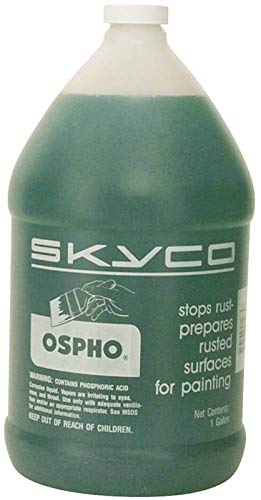
THE SKYBRYTE COMPANY
THE SKYBRYTE COMPANY 1275 OSPHO GAL Metal Treatment Coating, 1 Gallon, Green, 128 Fl Oz
See current price

Fasco Epoxies Inc.
Fasco Epoxies - Fasco Cab-O-SIL Fumed Silica thickener in Quart tub
See current price


Popular brands in Coatings
Coatings are applied to a surface to protect it, change its appearance, improve durability, or provide a specific functional property. The right choice depends on the material being coated, the environment it will face, and how the product will be applied and maintained.
This K-Catalog category covers coating products within Adhesives, Sealants & Lubricants. Compare the listed specifications and features before visiting Amazon to check the current product details and availability.
How to choose a coating
Start with the surface and the job requirements. A coating intended for wood may not bond properly to metal, concrete, plastic, or fiberglass. Product descriptions should identify compatible substrates and any required surface preparation.
Consider the conditions the finished coating will experience:
- Moisture and weather: Outdoor, marine, and wet-area applications may require resistance to water, humidity, sunlight, or changing weather.
- Chemicals and corrosion: Industrial surfaces may need protection from oils, solvents, salt, or corrosive exposure.
- Wear and impact: Floors, equipment, tools, and frequently handled surfaces benefit from a coating designed for abrasion or repeated contact.
- Appearance: Compare color, gloss, transparency, texture, and whether the coating is intended to preserve or change the look of the substrate.
- Application constraints: Brush, roller, spray, pour, or wipe-on products suit different projects and levels of access.
Types of coatings to compare
Coatings vary widely by chemistry and intended use. Protective coatings can help shield metal and other materials from environmental exposure, while decorative or finishing coatings are selected primarily for appearance and surface feel.
Resin-based systems are often considered for projects that need a hard, durable finish. Marine and wood coatings may focus on moisture resistance, substrate protection, and maintaining the appearance of the material. Concrete and masonry coatings are selected for compatibility with porous surfaces and resistance to foot traffic or weather.
Electrical and electronic applications may use specialized coatings designed to protect components from moisture, dust, or contamination. Industrial formulations can also be intended for equipment, tools, machinery, or other demanding surfaces. Read the product description carefully because similar-looking coatings can have very different preparation, curing, and handling requirements.
For adjacent solutions, compare Adhesive Tapes, Caulk, and Industrial Lubricants when the project needs bonding, gap filling, or lubrication rather than a surface film.
Key specifications and features
The label and technical description matter more than the product name alone. Compare:
- Chemistry: Look for epoxy, resin, acrylic, polyurethane, silicone, or another specified formulation when compatibility is important.
- Substrate compatibility: Confirm that the coating is suitable for the surface and any existing finish.
- Coverage and film thickness: These details help estimate how much material is needed and whether multiple coats are expected.
- Cure and recoat information: Distinguish between drying, recoat, handling, and full-cure guidance where provided.
- Finish and color: Check whether the product is clear, pigmented, glossy, matte, or textured.
- Application tools: Verify whether specialized equipment, mixing, thinning, or ventilation is required.
- Service conditions: Look for stated resistance to water, chemicals, heat, UV exposure, abrasion, or immersion.
- Kit contents and mixing ratio: Two-part products may require precise measurement and thorough mixing before use.
If the project primarily involves bonding rather than surface protection, Epoxy Adhesives, Cyanoacrylate Adhesives, or Contact Cements may be more appropriate categories to compare.
Brands represented in the catalog
The catalog includes coating products from MG Chemicals, East Coast Resin, Rust-Oleum, Pro Marine Supplies, SaverSystems, Gougeon Brothers, Inc., CRC, THE SKYBRYTE COMPANY, Glaze 'N Seal, TRUE VALUE MFG COMPANY, スリーエム(3M), and Magic Resin. These brands may serve different application areas and formulation needs, so compare each product’s technical specifications rather than choosing by brand name alone.
Application and safety considerations
Surface preparation is often central to coating performance. Remove dirt, grease, loose material, rust, or incompatible finishes as directed by the product documentation. A small test area can help reveal adhesion, color, sheen, and compatibility before a full application.
Follow the manufacturer’s guidance for ventilation, protective equipment, mixing, storage, and disposal. Keep uncured coatings away from unsuitable surfaces and avoid use in conditions outside the stated application range. For large, structural, electrical, food-contact, or safety-sensitive projects, confirm that the selected product is specifically approved for that use.
Frequently asked questions
What is a coating used for?
A coating can protect a surface, improve its appearance, add resistance to moisture or chemicals, reduce wear, or provide a specialized finish.
How do I know which coating is compatible with my surface?
Check the product’s listed substrates and preparation instructions. Compatibility can depend on the base material, existing finish, porosity, and surface condition.
Are all coatings suitable for outdoor use?
No. Outdoor exposure can involve moisture, sunlight, temperature changes, and abrasion. Choose a product whose specifications address the conditions expected at the installation site.
What is the difference between drying and curing?
Drying generally describes when a surface is no longer wet or tacky. Curing refers to the longer process by which the coating reaches its intended final properties, so follow the stated handling and full-cure guidance.
When should I compare a coating with caulk or an adhesive?
Choose a coating when the main goal is to cover or protect a surface. Consider Caulk for flexible gap sealing and an adhesive category when the primary purpose is joining two surfaces.