

Industrial Adhesives
Compare industrial adhesives by formulation, curing method, substrate compatibility, and application needs. Use the catalog to narrow options by specifications and features before checking current availability on Amazon.
69 products in catalog
69 results
Filters

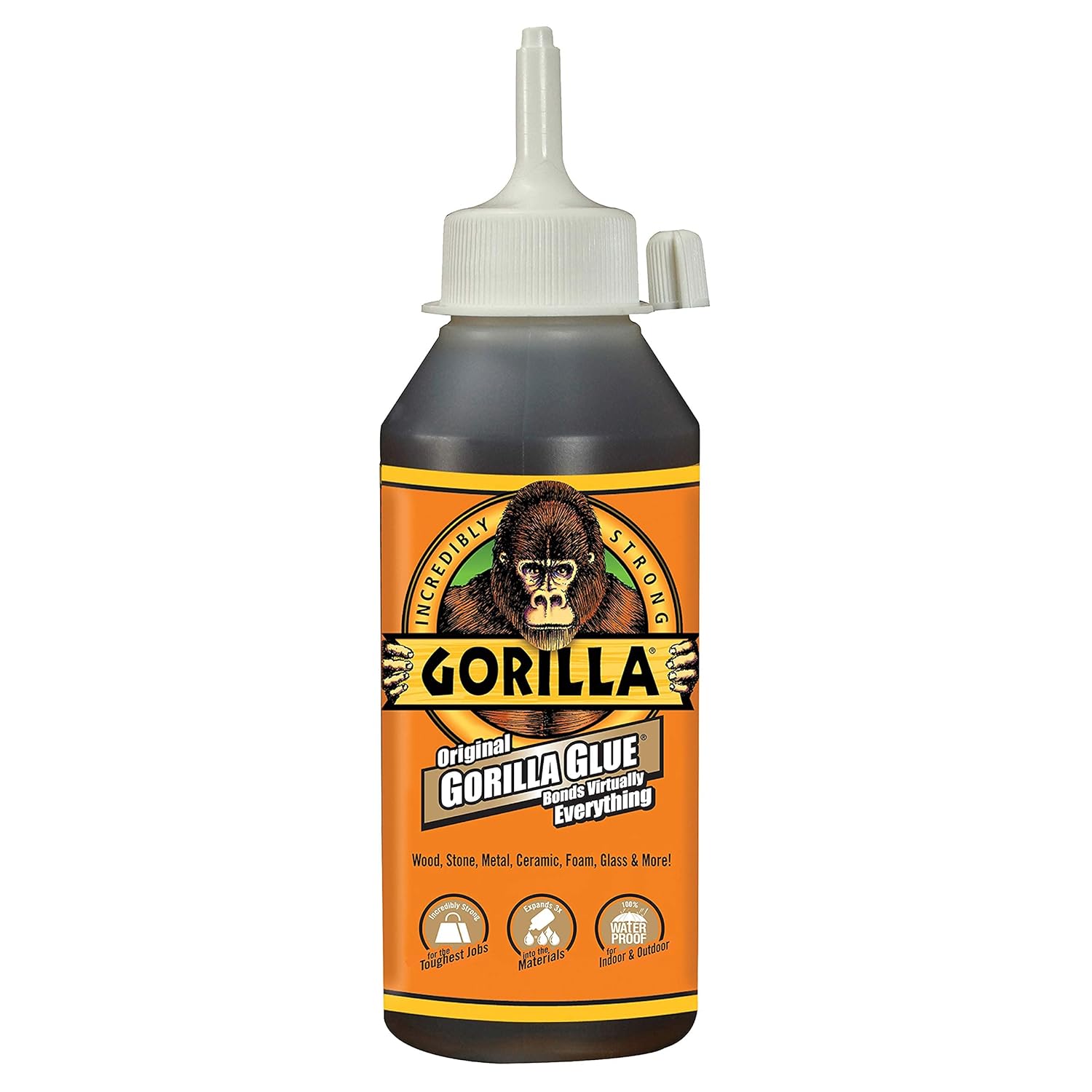
Gorilla
Gorilla Original Gorilla Glue, Waterproof Polyurethane Glue, 8 Ounce Bottle, Brown, (Pack of 1)
See current price


![Kraftex Copper Tape [1 Inch x 66ft] Copper Foil Tape for Guitar Cavity, Electrical Conductive for Soldering, Stained Glass, and More (1 Inch)](https://m.media-amazon.com/images/I/71Y06xdghML._AC_SL1500_.jpg)

Gorilla
Gorilla Original Gorilla Glue, Waterproof Polyurethane Glue, 4 Ounce Bottle, Brown, (Pack of 1)
See current price
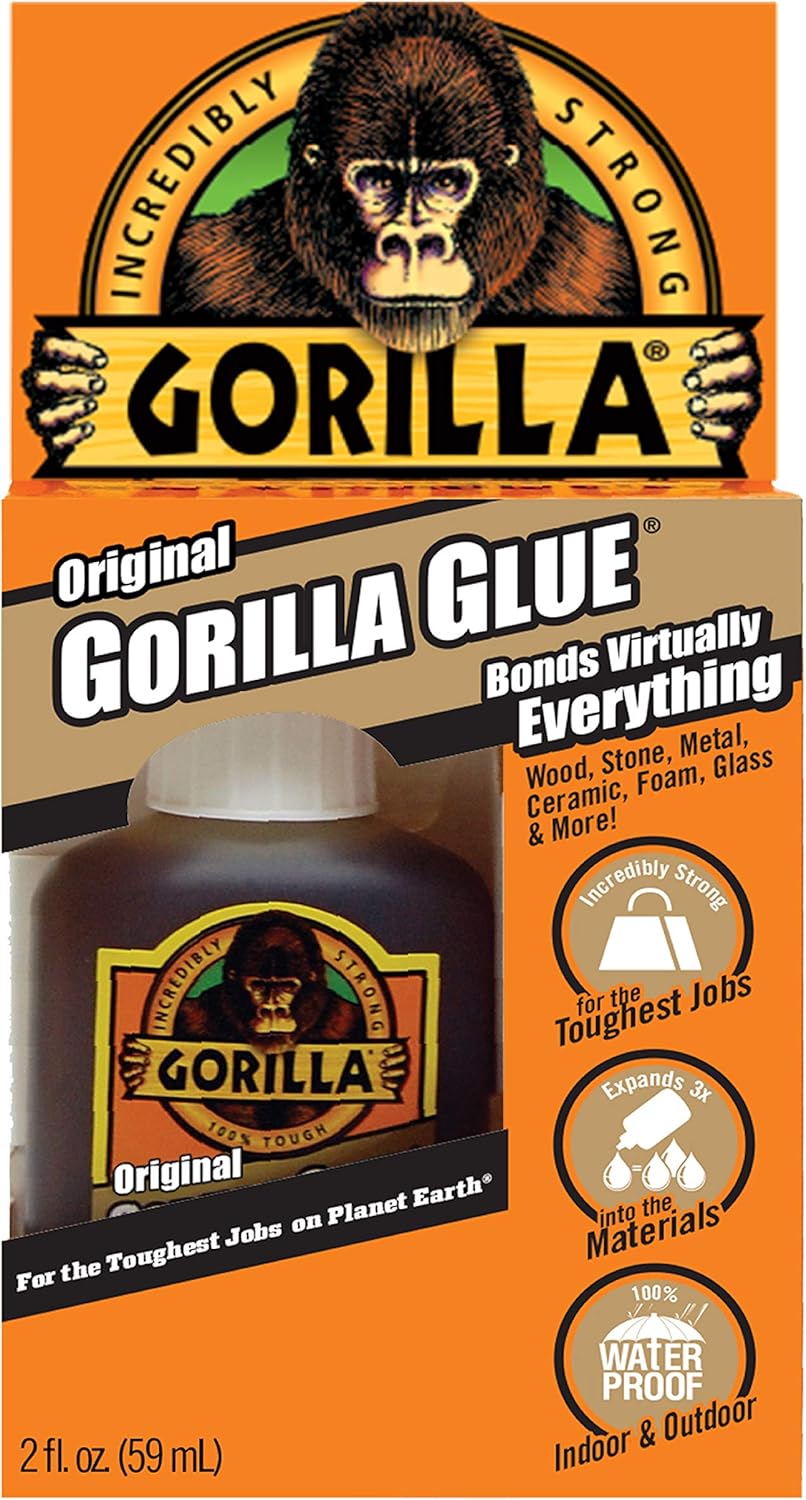
Gorilla
Gorilla Original Gorilla Glue, Waterproof Polyurethane Glue, 2 Ounce Bottle, Brown, (Pack of 1)
See current price


スリーエム(3M)
3M Panel Bonding Adhesive, 08115, OEM Recommended, Two-Part Epoxy, 200 ml/6.75 fl oz Cartridge, Black
See current price


Gorilla
Gorilla White Gorilla Glue, Waterproof Polyurethane Glue, 2 Ounce Bottle, White, (Pack of 2)
See current price

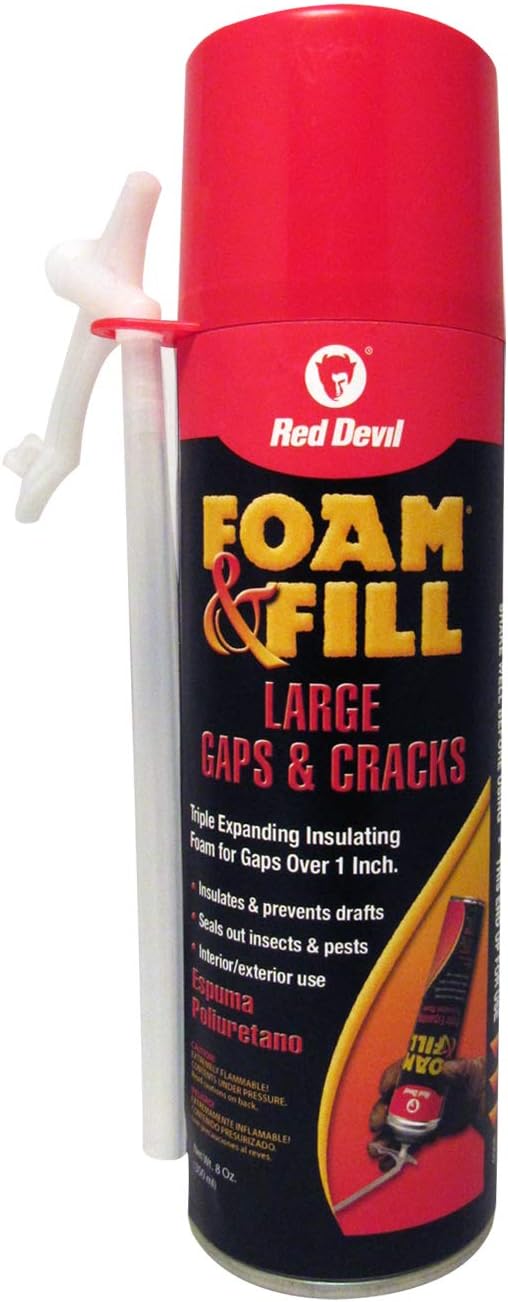
Red Devil
Red Devil 090806 Foam & Fill Large Gaps & Cracks Polyurethane Foam Sealant, 8 oz, Off White
See current price
![Kraftex Copper Tape [1/4 Inch x 108ft] Copper Foil Tape for Guitar Cavity, Electrical Conductive for Soldering, Stained Glass, and More (1/4 Inch)](https://m.media-amazon.com/images/I/71KipsCtvwL._SL1500_.jpg)

スリーエム(3M)
3M Bulk Buy 6061 Scotch Double Sided Adhesive Roller .27 in. x 8.7 yd. (Pack of 3)
See current price


Popular brands in Industrial Adhesives
Industrial adhesives are designed for bonding materials in manufacturing, repair, assembly, maintenance, and other demanding environments. The right choice depends less on the label alone and more on the materials being joined, the stresses on the bond, and the conditions it must withstand.
This K-Catalog page brings together industrial adhesive options from brands represented in the catalog, including Gorilla, Liquid Nails, SIKA, Loctite, E6000, AP Products, JYFY, Kraftex, Red Devil, FastCap, スリーエム(3M), and 3M TALC. Compare the listed specifications and features, then follow through to Amazon for current product information.
How to choose an industrial adhesive
Start by identifying the substrates. Metal, wood, glass, plastic, rubber, ceramic, concrete, and painted surfaces can have very different bonding requirements. Some adhesives are formulated for particular material combinations, while others are intended for broader use.
Next, consider the type of load the joint will experience:
- Shear forces: Sliding or lateral pressure across the bonded surfaces.
- Peel forces: A lifting force that separates one edge from the other.
- Impact or vibration: Repeated movement that can favor a flexible bond.
- Tension: Pulling directly away from the adhesive joint.
Surface preparation also matters. Clean, dry, properly fitted surfaces generally give an adhesive a better opportunity to form a reliable bond. Check the product instructions for preparation, clamping, ventilation, and curing requirements before use.
Adhesive types and related options
Industrial adhesives vary by chemistry and intended application. Liquid formulations can be useful for spreading across surfaces or filling small irregularities, while thicker products may offer more control on vertical or uneven areas. Two-part formulations require mixing but can be suited to applications where a cured structural bond is needed.
Some projects may be better served by a neighboring category. Consider Epoxy Adhesives when a two-part epoxy system fits the application, or Cyanoacrylate Adhesives for projects calling for a fast-setting adhesive type. Contact Cements may be relevant when both surfaces are coated before joining.
For bonding without a liquid adhesive, compare Adhesive Tapes. If the primary need is sealing a joint, gap, or perimeter rather than bonding two surfaces, Caulk may be more appropriate.
Key specifications to compare
Product specifications can help eliminate unsuitable options before focusing on convenience or packaging. Pay particular attention to:
- Cure and set time: Distinguish initial grab from the time required before handling and full cure.
- Viscosity: Thinner adhesives can spread easily, while thicker formulas may reduce dripping and help bridge small gaps.
- Bond strength: Look for testing details and the types of materials used in the stated performance information.
- Flexibility: A flexible cured bond may be preferable where joined materials expand, contract, or vibrate.
- Temperature resistance: Compare the stated service range with the temperatures the joint will encounter.
- Moisture and chemical resistance: Important for outdoor, washdown, workshop, or industrial environments.
- Gap filling: Check whether the formulation is intended for close-fitting surfaces or uneven joints.
- Application method: Packaging may use a nozzle, brush, cartridge, squeeze container, or mixing system.
A strong adhesive is not automatically the best choice if it cures too quickly, cannot tolerate movement, or is incompatible with one of the surfaces.
Brands represented in the catalog
The Industrial Adhesives catalog includes products associated with Gorilla, Liquid Nails, スリーエム(3M), AP Products, SIKA, JYFY, Loctite, E6000, Kraftex, 3M TALC, Red Devil, and FastCap. Brand presence is useful for comparing available product lines, but the formulation and technical specifications of an individual product should guide the final selection.
For broader shopping context, browse the parent Adhesives, Sealants & Lubricants category. Projects involving lubrication rather than bonding may fit Industrial Lubricants more closely.
Application and safety tips
Follow the manufacturer’s directions for surface preparation, application thickness, working time, clamping, and cure conditions. Apply adhesive in a well-ventilated area when required, and review the product’s safety information for skin, eye, inhalation, and flammability precautions.
Confirm that the cured adhesive will remain accessible for inspection or replacement if the assembly requires future maintenance. Avoid assuming that a general-purpose adhesive is suitable for structural, load-bearing, food-contact, medical, or high-temperature use unless the product documentation specifically supports that application.
Frequently asked questions
What materials can industrial adhesives bond?
Compatibility varies by formulation. Check the product specifications for the exact substrates, and prepare each surface according to the manufacturer’s instructions.
Is a fast-setting adhesive always the best choice?
No. Fast setting can reduce working time and may not suit large surfaces, careful alignment, or joints that need repositioning. Compare set time with the application process.
What is the difference between set time and cure time?
Set time generally describes when an adhesive begins holding the parts together. Cure time refers to the longer period needed to reach its stated final properties.
Should the adhesive be flexible or rigid?
Choose based on the joint. Rigid bonds may suit stable assemblies, while flexibility can help when materials move, vibrate, or expand at different rates.
How should industrial adhesive options be compared?
Compare substrate compatibility, bond requirements, viscosity, application method, cure schedule, temperature range, environmental resistance, and safety information before selecting a product.